
 By admin
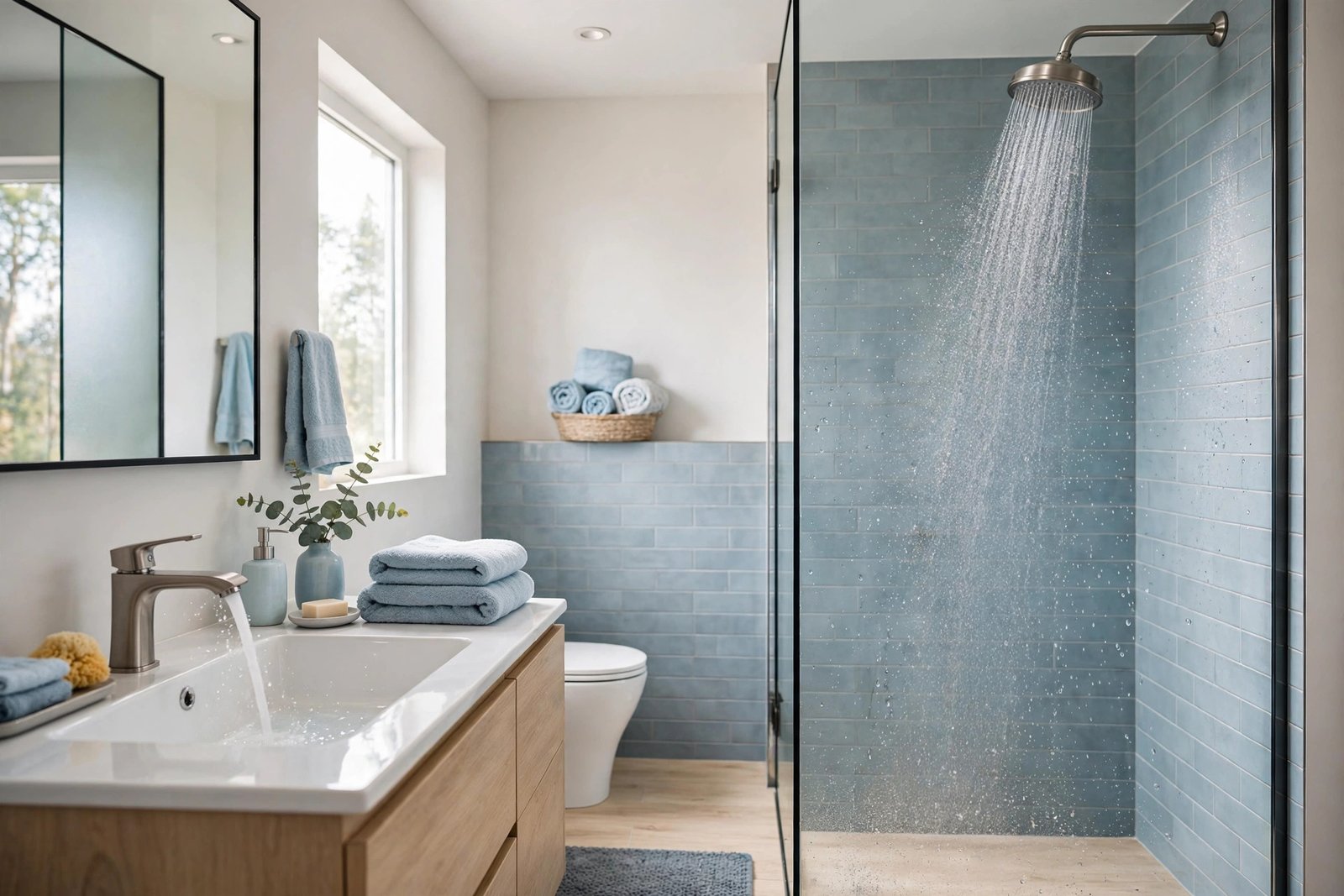
Here is the uncomfortable truth about saving water at home: most households can cut their water use by 20-30% without changing a single habit that matters. No shorter showers you resent, no brown lawn you apologize for, no lifestyle downgrade. The savings hide in leaks you cannot see, fixtures you never think about, and appliances running settings you chose once and forgot.
The average American family uses more than 300 gallons of water per day, according to the EPA — and roughly 10% of homes have leaks wasting 90 gallons or more daily. That is money dissolving into your pipes every hour. This guide targets the invisible waste first, then the painless upgrades, so your water bill drops while your daily routine feels exactly the same.
Start With the Leak You Probably Have
Before buying anything or changing anything, check for leaks — because the average household leak wastes nearly 10,000 gallons per year. The toilet is the prime suspect. Put a few drops of food coloring in the tank, wait 15 minutes without flushing, and check the bowl. Color in the bowl means the flapper is leaking, silently running hundreds of gallons down the drain per day. A replacement flapper costs under $10 and takes 10 minutes to install with no tools beyond your hands.
Next, read your water meter before bed and again in the morning without using any water overnight. Any movement means a leak somewhere. Check under sinks, behind the washing machine, and around the water heater. The EPA’s Fix a Leak Week resources walk through the full detective process. Fixing existing leaks is the single highest-ROI water action a homeowner can take — zero behavior change, immediate savings.
The Bathroom: Where 60% of Indoor Water Goes
Toilets, showers, and faucets account for the majority of indoor use, which makes the bathroom your biggest opportunity. If your toilet was installed before 1994, it may use 3.5-7 gallons per flush; modern WaterSense models use 1.28 gallons and flush better. But you do not need a full replacement to save: a $3 toilet tank displacement bag or even a filled water bottle in the tank reduces each flush by half a gallon. Over a year, that is thousands of gallons for essentially free.
Showers are the other giant. A standard showerhead flows at 2.5 gallons per minute; WaterSense models flow at 2.0 or less with no perceptible difference in pressure thanks to better nozzle engineering. Swapping a showerhead takes five minutes with an adjustable wrench. Faucet aerators are even cheaper — $2-5 each — and cut sink flow from 2.2 to 1.5 gallons per minute. You will not notice the difference when washing your hands; your bill will. Small fixture swaps like these are part of a broader strategy — our guide to making your home more energy efficient covers the parallel energy savings hiding in your utility bills.
Laundry and Dishes: Let the Machines Do the Work
Your washing machine is likely the second-biggest water user in the house. The fix requires no sacrifice: always run full loads, and if your machine has load-size settings, match the water level to the load. Front-loading machines use roughly half the water of old top-loaders; when yours dies, that efficiency alone can justify the upgrade. One behavioral tweak with real impact: skip the extra-rinse cycle unless you have a genuine reason. Modern detergents rinse clean in one cycle.
Dishwashers surprise most people — running a full dishwasher uses far less water than hand-washing the same dishes. An Energy Star dishwasher uses as little as 3-4 gallons per load; hand-washing can use 20+ gallons. The key word is full: half-empty dishwasher cycles are pure waste. And skip the pre-rinse. Scraping plates (not rinsing) before loading is all modern dishwashers need; pre-rinsing under a running tap is one of the most common water-wasting habits in American kitchens.
Outdoor Water: The Hidden Half of Your Bill
For many households, outdoor irrigation accounts for 30-60% of total water use — and up to half of it is wasted through evaporation, wind, or runoff from poorly aimed sprinklers. The painless fixes: water early in the morning (before 9 AM) when evaporation is lowest, adjust sprinkler heads so they hit the lawn and not the driveway, and set a rain sensor or smart controller that skips watering after rain.
Landscaping choices compound the savings. Replacing even a strip of thirsty turf with native plants or mulch can cut outdoor use dramatically without making your yard look barren — native plantings are designed by evolution for your local rainfall. A 2-3 inch layer of mulch around plants reduces evaporation from soil by up to 70%. None of this requires you to stare at a dead lawn; it requires one weekend of smart planting.
Behavioral Tweaks You Will Not Even Notice
Beyond fixtures and leaks, a handful of micro-habits add up without any sense of deprivation. Turn off the tap while brushing your teeth (saves up to 8 gallons per day for a family). Keep a pitcher of drinking water in the fridge instead of running the tap until it gets cold. Thaw frozen food in the refrigerator overnight instead of under running water. Wash fruits and vegetables in a basin rather than under a continuous stream, then reuse that water for houseplants.
None of these ask you to enjoy life less. They are the water equivalent of turning off lights when you leave a room — invisible once habitual. If you are building a broader low-impact routine, our piece on easy eco-friendly habits at home shows how water savings stack with energy and waste reductions.
Track It So the Savings Stick
What gets measured gets managed. Most utilities now offer online dashboards showing your daily or hourly usage — check yours monthly and look for the baseline overnight flow that indicates a leak. Some households install a simple whole-house flow monitor ($100-200) that alerts your phone to unusual usage, catching the burst pipe or stuck toilet flapper before it becomes a four-figure bill.
Set a target: a 20% reduction is achievable for almost every household through leaks and fixtures alone. Compare this summer’s bill to last summer’s, not to an abstract ideal. And remember the side benefit nobody talks about — using less hot water means lower energy bills too, since heating water is typically the second-largest energy expense in a home. The Department of Energy’s water heating guide shows how cutting hot water use shrinks both bills at once. If hydration habits are on your mind as well, our guide on how much water to drink daily covers the personal side of the equation.
Conclusion
Saving water at home without noticing the difference is not a trick — it is simply a matter of attacking waste you never chose in the first place. Fix the toilet flapper, swap the showerhead and aerators, run full machine loads, and water the lawn like you mean it. That is a weekend of work for savings that repeat every single month, year after year. Your routine stays identical; only the invisible waste disappears. Check your next bill against this one — the numbers will make the case better than any article can.
Frequently Asked Questions
How much water can I realistically save without changing habits?
Most households can cut 20-30% through leak repairs and fixture upgrades alone. The average family of four can save 20,000+ gallons per year with WaterSense fixtures, according to EPA estimates.
Do low-flow showerheads actually feel weaker?
Modern WaterSense showerheads use pressure-compensating nozzles that feel comparable to standard models. The difference most people notice is zero — the water bill is where the change shows up.
Is it better to hand-wash dishes or use the dishwasher?
A full Energy Star dishwasher (3-4 gallons per load) beats hand-washing (up to 20+ gallons) every time. Just scrape, don’t pre-rinse, and always run full loads.
How do I know if my toilet is leaking?
Put food coloring in the tank, wait 15 minutes without flushing, and check the bowl. Color means a leaking flapper — a $10, 10-minute fix that can save hundreds of gallons per day.