
 By admin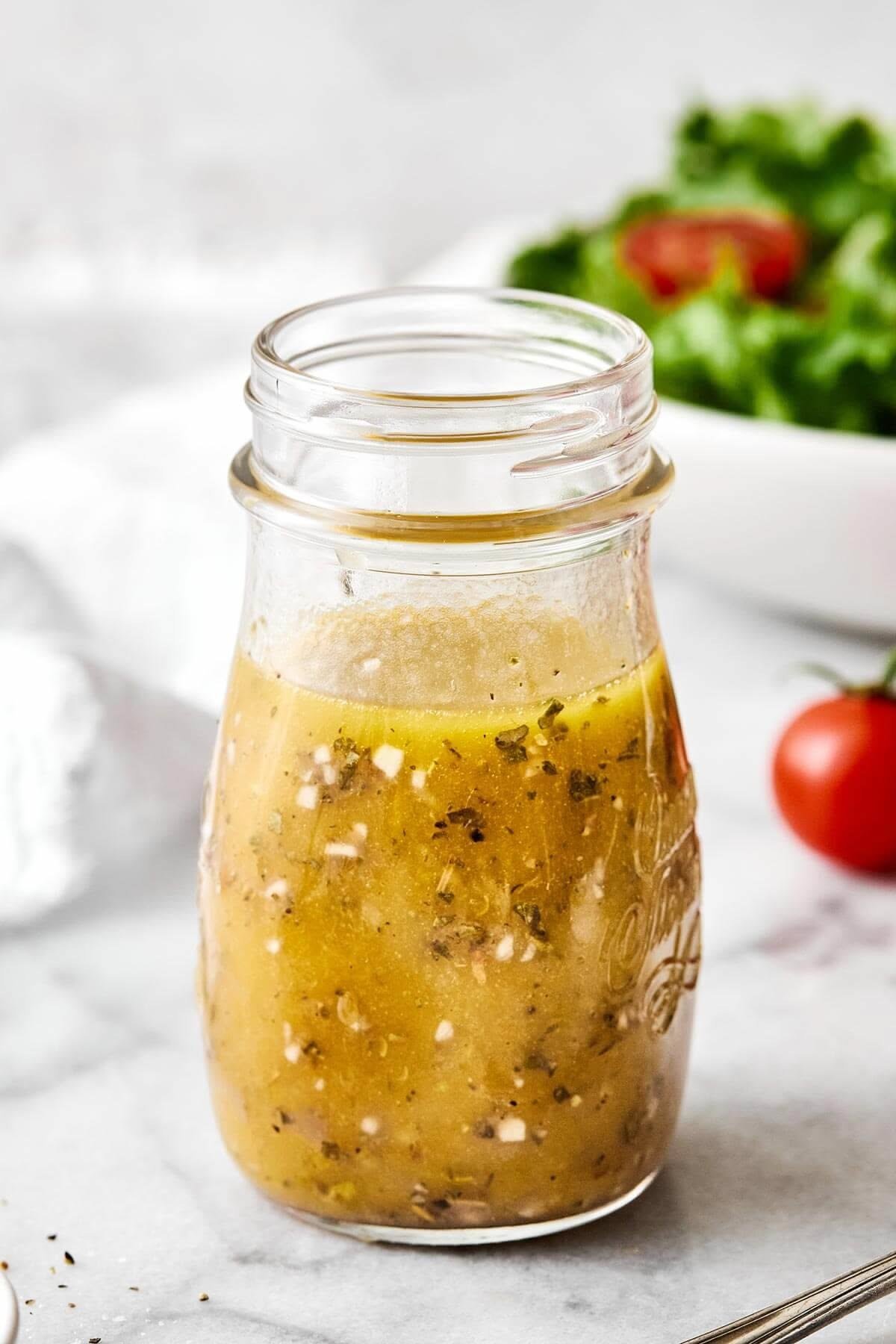
Bottled salad dressing is one of the great kitchen cons. You pay $4 for a bottle that’s mostly soybean oil, sugar, and preservatives, it tastes vaguely of whatever flavor the label claims, and it sits in your fridge door for eight months. Meanwhile, a homemade vinaigrette takes literally two minutes, costs pennies, tastes infinitely better, and you control every ingredient. Once you learn the ratio, you’ll never buy bottled dressing again — I haven’t in years.
A vinaigrette is just oil and vinegar (or another acid) held together in a temporary emulsion, plus seasoning. That’s it. The classic French ratio is 3 parts oil to 1 part vinegar, but I find that a little oily for modern tastes — 2:1 is brighter and more versatile. Learn the ratio, and you can improvise endless variations from whatever’s in your kitchen.
The Master Formula
For about 3/4 cup of dressing (enough for a big salad serving 4):
- 1/4 cup acid: Red wine vinegar, white wine vinegar, apple cider vinegar, balsamic vinegar, fresh lemon juice, or lime juice
- 1/2 cup oil: Extra-virgin olive oil is the classic; use a milder oil (avocado, grapeseed) if you want the other flavors to shine
- 1 teaspoon Dijon mustard: This is the emulsifier — it holds the oil and vinegar together far longer than shaking alone
- 1 small clove garlic, minced or grated (or 1/4 teaspoon garlic powder)
- 1/2 teaspoon kosher salt and 1/4 teaspoon black pepper
- 1 to 2 teaspoons honey or maple syrup (optional, but it balances sharp vinegars beautifully)
Method: Whisk everything except the oil in a bowl. Then drizzle in the oil slowly while whisking constantly. That’s it. Or do what I actually do on weeknights: put everything in a mason jar, screw the lid on tight, and shake vigorously for 15 seconds. The jar method gives you a slightly less stable emulsion, but it takes no technique and the jar is your storage container. Done.
Why Your Vinaigrette Keeps Separating (and How to Fix It)
Oil and vinegar naturally want to separate — that’s physics, not failure. The Dijon mustard helps enormously because it contains natural emulsifiers. A teaspoon of mayonnaise works even better if you don’t mind the addition. Honey also helps stabilize. But even a perfect vinaigrette will separate after 20 to 30 minutes sitting — that’s normal. Just shake or whisk again before serving. Homemade vinaigrette keeps about a week in the fridge (the oil may solidify when cold; let it sit at room temperature for 10 minutes and shake).
Five Variations From the Same Formula
Once you know the base, these are all one-ingredient swaps away:
- Balsamic vinaigrette: Balsamic vinegar + olive oil + Dijon + honey + salt and pepper. The crowd-pleaser. Add a minced shallot for restaurant vibes.
- Lemon herb: Fresh lemon juice + olive oil + Dijon + minced fresh herbs (parsley, dill, or basil) + garlic. Bright and perfect for slicing over a steak salad or grilled vegetables.
- Asian-inspired: Rice vinegar + sesame oil (use half sesame, half neutral oil — full sesame is overwhelming) + soy sauce instead of salt + grated ginger + a touch of honey. Incredible on slaws and grain bowls.
- Apple cider maple: Apple cider vinegar + olive oil + maple syrup + Dijon + a pinch of cinnamon. Made for fall salads with apples, walnuts, and cheddar.
- Creamy-ish: Base formula + 2 tablespoons Greek yogurt or tahini whisked in. All the tang of vinaigrette with a creamy body — great for heartier salads and packed lunch grain bowls.
Beyond Salad: What Else to Do With Vinaigrette
Vinaigrette is far more versatile than its name suggests:
- Marinade: The acid tenderizes and the oil carries flavor — it works as a quick 30-minute marinade for chicken or vegetables.
- Grain bowl dressing: Drizzle over rice, quinoa, or farro bowls. The acid wakes up bland grains instantly.
- Roasted vegetable finisher: Toss hot roasted vegetables with a spoonful of vinaigrette right out of the oven. The heat blooms the flavors.
- Bread dipper: Good balsamic vinaigrette with crusty bread is a legitimate appetizer.
- Coleslaw dressing: Thin the base formula slightly and toss with shredded cabbage. Fresher and lighter than mayo-based slaw.
Common Mistakes
- Using cheap olive oil for finishing. You don’t need $30 oil, but a decent extra-virgin makes a noticeable difference since it’s a primary flavor. Save the cheap stuff for cooking.
- Forgetting the salt. An unsalted vinaigrette tastes flat and sour. Salt is what makes the flavors pop — don’t skip it.
- Too much garlic. Raw garlic intensifies as it sits. One small clove is plenty for 3/4 cup; more than that and tomorrow’s leftover dressing will bite back.
- Dressing the salad too early. Delicate greens wilt within minutes of dressing. Dress right before serving, and use less than you think — you can always add more.
Make a Simple Vinaigrette Dressing: Quick Answers
What is the ratio for vinaigrette? The classic French ratio is 3 parts oil to 1 part vinegar; 2:1 is brighter and more modern. Either works — the real formula is oil + acid + Dijon (the emulsifier) + salt + pepper, shaken in a mason jar for 15 seconds.
Why does my vinaigrette keep separating? That’s normal physics, not failure — oil and vinegar naturally separate. Dijon mustard helps it hold longer (its natural emulsifiers stabilize the mix). Just shake or whisk again before serving; even perfect vinaigrette separates after 20-30 minutes sitting.
How long does homemade vinaigrette last? About a week refrigerated in a sealed jar. The oil may solidify when cold — let it sit at room temperature for 10 minutes and shake. If it contains fresh garlic, use within a week; garlic in oil is a botulism risk over longer storage.
Can I use vinaigrette as a marinade? Yes — the acid tenderizes and the oil carries flavor into chicken and vegetables. Thirty minutes to 2 hours is plenty; longer in strong vinegar can make textures mushy. It’s one of the hardest-working condiments in your kitchen.
The USDA MyPlate guidelines show how dressings fit into balanced eating.
Practical Takeaway
Memorize this: 2 parts oil, 1 part acid, a spoonful of Dijon, salt, pepper, done in a shaken mason jar. Two minutes, pennies per serving, infinitely better than bottled. Make a jar on Sunday and your salads, grain bowls, and roasted vegetables are set for the week. It’s the highest return-on-effort recipe in my entire kitchen.
[…] better after marinating, all transport well. Keep mayo-based salads cold (see food safety below). A vinaigrette-dressed salad is safer in heat than a mayo-based […]