
 By admin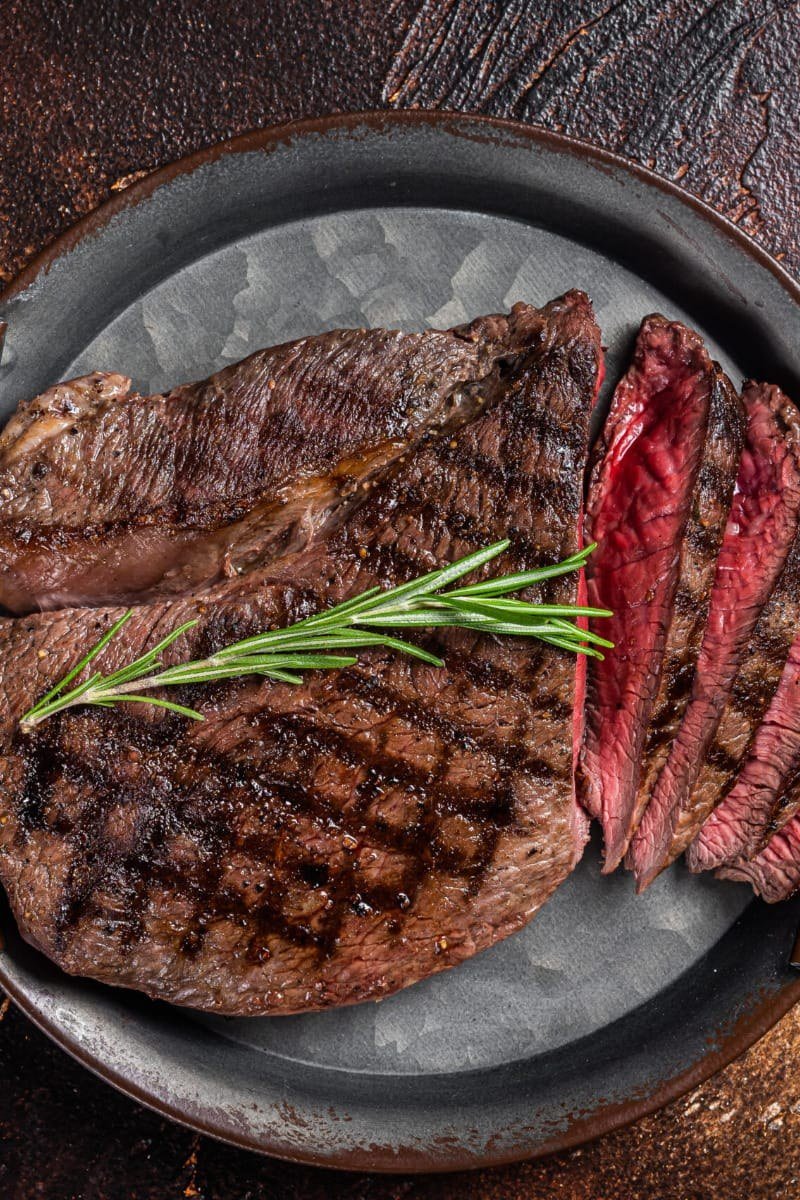
Medium rare is the sweet spot of steak — warm red center, juicy, tender, with that perfect contrast between the seared crust and the buttery interior. But it’s also the doneness most home cooks are scared of, because the line between medium rare and medium feels razor-thin, and nobody wants to serve raw meat or, worse, an overcooked $25 ribeye. I’ve overcooked more steaks than I care to admit learning this, but once you understand the method, medium rare becomes repeatable, not lucky.
Here’s the truth: cooking steak to medium rare isn’t about timing. It’s about temperature. Time-based recipes (“4 minutes per side!”) fail because steaks vary in thickness, starting temperature, and pan heat. A thermometer removes all the guesswork.
What Cooking Steak to Medium Rare Actually Means
Medium rare is 130°F to 135°F internal temperature. That’s it — that’s the whole target. The USDA recommends 145°F for beef with a rest, which is technically medium, but 130-135°F is the widely accepted restaurant standard for medium rare and what most steak lovers want.
The critical concept is carryover cooking: a steak’s internal temperature rises 5 to 10 degrees after you take it off the heat, as the hotter exterior continues warming the cooler center. So you pull the steak at 120°F to 125°F, and it coasts up to 130-135°F while it rests. Pull it at 135°F and you’ll be eating medium. This one detail is responsible for most overcooked “medium rare” attempts.
Pick the Right Steak and Prep It Right
Thickness matters more than cut. You want a steak at least 1 to 1.5 inches thick — ribeye, New York strip, filet mignon, or sirloin all work. Thin steaks overcook before they sear, making medium rare nearly impossible. If your grocery store only has thin cuts, buy two and stack them — kidding. Buy the thick ones, or ask the butcher to cut them thicker.
Prep steps that actually matter:
- Salt early. Salt the steak generously with kosher salt at least 40 minutes before cooking (or up to 24 hours ahead, uncovered in the fridge). The salt draws out moisture, then the moisture gets reabsorbed, seasoning the meat deeply. Salting right before cooking is fine too — just avoid the 5-to-30-minute window, when the surface is wet and won’t sear well.
- Bring it toward room temp. Let the steak sit out for 30 to 45 minutes before cooking. A fridge-cold center takes longer to warm, which means more time in the pan and a bigger gray overcooked band.
- Pat it bone dry. Moisture is the enemy of searing. Press the steak firmly with paper towels on all sides right before it hits the pan. A dry surface browns; a wet surface steams.
The Sear: Hot Pan, Right Oil, No Fussing
Get a cast-iron skillet or heavy stainless pan ripping hot — like, wisps-of-smoke hot. Add a tablespoon of high-smoke-point oil (avocado oil is ideal; vegetable oil works). Lay the steak in the pan away from you so any splatter goes the other direction, and press it down lightly for full contact.
Then leave it alone. Don’t poke it, don’t move it, don’t press it with a spatula (pressing squeezes out juice — never do this). Let it sear undisturbed for 2 to 3 minutes until a deep brown crust forms. Flip once — with tongs, never a fork, because fork holes leak juice — and sear the second side for another 2 to 3 minutes.
For steaks over 1.5 inches thick, finish in a 400°F oven for 4 to 8 minutes after searing both sides. This “sear then oven” approach (a simplified reverse sear) cooks the center gently without burning the crust.
The Thermometer Is Non-Negotiable
I cannot stress this enough: buy an instant-read thermometer. A decent one costs $15, and it’s the difference between guessing and knowing. Insert it into the thickest part of the steak, away from bone or fat, and pull the steak at these temperatures:
- Pull at 120°F for a cooler, redder medium rare (finishes ~130°F)
- Pull at 125°F for classic medium rare (finishes ~135°F)
No thermometer? The touch test is better than nothing: press the fleshy part of your palm below your thumb — a relaxed hand feels like rare, touching thumb to index finger feels like medium rare, thumb to middle finger like medium. It’s approximate at best, but it beats pure guessing.
Rest It — Seriously, Don’t Skip This
Rest the steak on a warm plate or cutting board for 5 to 10 minutes (about half its cook time). During the rest, two things happen: carryover cooking brings it up to final temperature, and the juices redistribute through the meat instead of flooding out onto the cutting board. Cut too early and you’ll watch all that juiciness pool on the plate instead of staying in the steak.
Optional but wonderful: during the last minute of cooking, add a tablespoon of butter, a crushed garlic clove, and a sprig of thyme to the pan, and tilt the pan to spoon the foaming butter over the steak. This butter baste adds a restaurant-level richness that takes 60 seconds.
Common Mistakes
- Cooking straight from the fridge. Cold center, overcooked exterior. Let it temper.
- A pan that’s not hot enough. If the steak doesn’t sizzle aggressively on contact, your pan wasn’t ready. Gray, steamed steak is the result.
- Pulling at the target temp instead of below it. Remember carryover: pull 5-10°F early.
- Skipping the rest. The hardest step is doing nothing for 10 minutes. Do it anyway.
For food safety reference on beef temperatures, the USDA Food Safety and Inspection Service is the authoritative source — worth a read if you’re cooking for pregnant guests, young kids, or anyone immunocompromised, since medium rare carries slightly more risk than well-done for vulnerable groups.
Practical Takeaway
Medium rare steak is a temperature game, not a timing game: thick steak, salted early, seared hard in a ripping-hot pan, pulled at 120-125°F, rested 5 to 10 minutes. Buy the $15 thermometer and you’ll nail it every single time. Serve it alongside a bright vinaigrette-dressed salad to cut the richness, or go full steakhouse with crispy oven fries on the side.
[…] + olive oil + Dijon + minced fresh herbs (parsley, dill, or basil) + garlic. Bright and perfect for slicing over a steak salad or grilled […]