
 By admin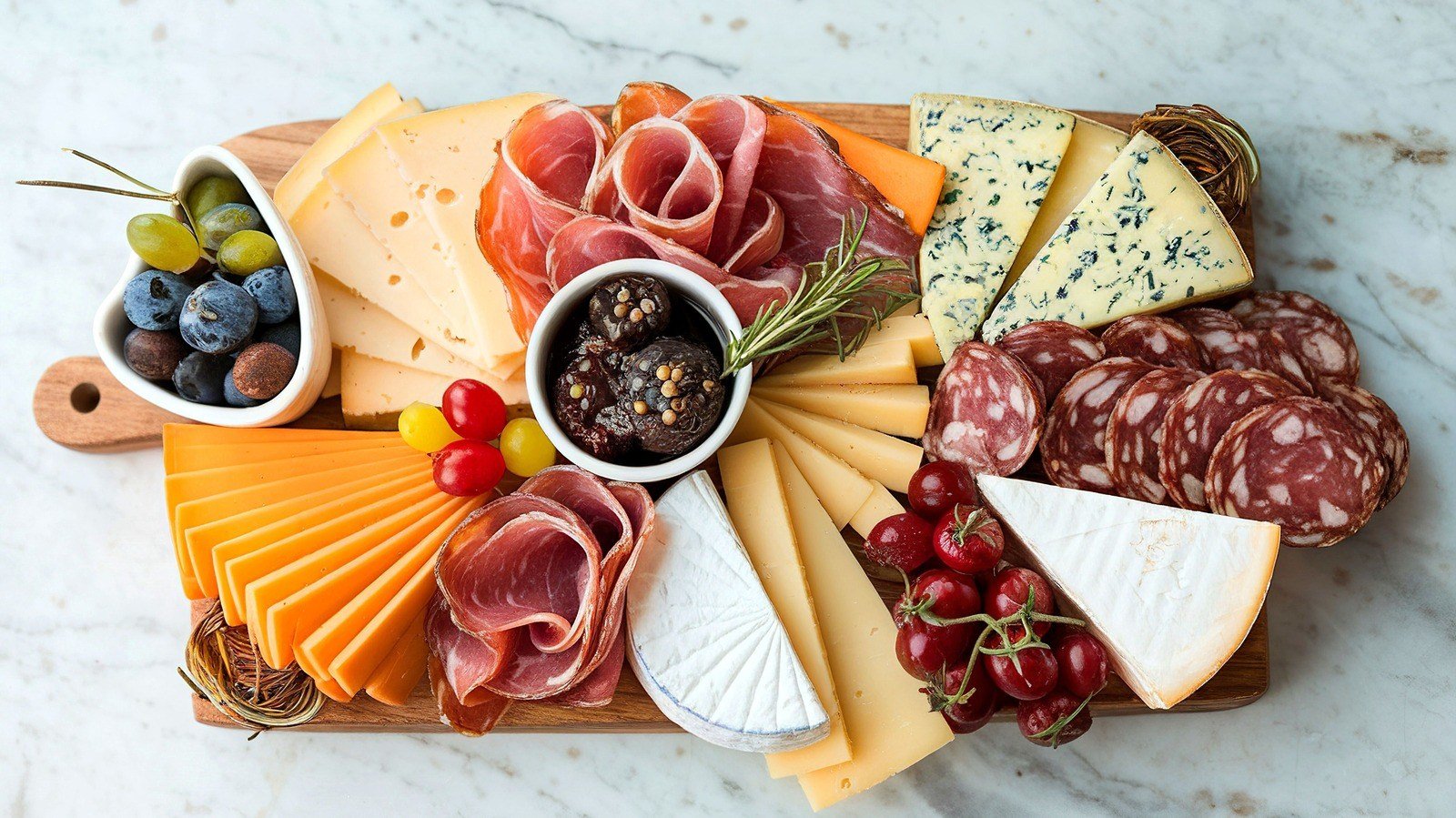
A charcuterie board looks like a million bucks — all those artful piles of salami, wedges of cheese, and little bowls of olives. Then you price it out at a specialty store and realize the “fancy” version can easily run $80 to $100. Here’s the secret the Instagram photos don’t tell you: a stunning charcuterie board on a budget is absolutely doable for $25 to $35, and your guests genuinely will not know the difference. I’ve built boards for parties, holidays, and casual Friday nights, and the budget ones get just as many compliments as the splurges.
The trick isn’t buying cheap versions of expensive things. It’s buying smart: fewer premium items, more affordable ones used generously, and a whole lot of visual trickery that makes everything look abundant.
Set Your Budget and Shop Strategically
For a board that serves 6 to 8 people as an appetizer, budget $25 to $35. For 10 to 12 people, $40 to $50. The biggest savings come from where you shop. Aldi, Trader Joe’s, Costco, and even Walmart have excellent cheese and cured meat selections at a fraction of specialty-store prices. Aldi’s cheese selection in particular is shockingly good — their aged cheddar and gouda regularly beat $15/lb boutique cheeses in blind tastings I’ve done with friends.
Buy store brands for the basics and save your splurge for one “hero” item — a really good aged manchego, a nice prosciutto, something that gives the board its wow factor. One premium item surrounded by solid affordable ones reads as luxurious. Ten mediocre expensive items just reads as expensive.
The Formula: What to Buy and How Much
A balanced board needs five categories. Here’s exactly what to get:
- Cheeses (3 varieties, about 1.5 lbs total). Pick one hard (aged cheddar or parmesan), one soft (brie or goat cheese), and one wild card (smoked gouda, pepper jack, or blue). Budget move: buy blocks and cut them yourself — pre-cut cheese costs 30 to 50% more per pound. A $5 block of Aldi aged cheddar, a $4 brie wheel from Trader Joe’s, and a $5 smoked gouda gets you there for under $15.
- Cured meats (2 varieties, about 3/4 lb total). Salami and prosciutto are the classics, but soppressata, capicola, or even good pepperoni work. Buy the store-brand salami chub and slice it yourself — it’s half the price of pre-sliced packs.
- Crackers and bread (2 types). One box of water crackers ($2) and a sliced baguette ($1.50). That’s it. Nobody needs four kinds of crackers.
- Something briny (2 items). A jar of cornichons or olives ($3-4) and maybe some pickled red onions you make yourself for pennies. Briny things cut through the richness and make the board feel complete.
- Something sweet (2 items). Grapes ($3 for a big bunch), apple slices, or dried apricots. Plus honey — a $4 bear-shaped bottle lasts for dozens of boards. The honey-plus-cheese combination makes everything taste more expensive than it is.
- Something crunchy (1-2 items). Marcona almonds are classic but pricey; regular roasted almonds, walnuts, or pistachios from the bulk bin work just as well for half the cost.
- Spreads (1-2 items). A jar of fig jam ($3 at Aldi) or whole-grain mustard. One is plenty.
Total: roughly $28 to $35, and you’ll have leftover crackers, honey, and jam for next time.
How to Arrange It Like You Know What You’re Doing
Arrangement is where budget boards become beautiful boards. The food is 50% of the impression; the styling is the other 50%.
Start with your largest items: place the cheeses first, spaced around the board. Fold or roll the meats — salami folded into quarters and fanned in a row, prosciutto loosely rolled into rosettes. Rolled and folded meat takes up visual space and looks generous even when the quantity is modest.
Next, add small bowls or ramekins for olives, jam, and honey. Then fill every gap with crackers, grapes, and nuts. This is the golden rule of charcuterie: no empty board space. Gaps make a board look sparse and cheap; abundance makes it look lavish. Tuck rosemary sprigs or thyme around the edges for color — fresh herbs cost almost nothing and photograph beautifully.
Use a wooden cutting board, a baking sheet, or even parchment paper on the table as your base. You don’t need a special slate board. I’ve served boards on sheet pans covered in kraft paper for big parties and people loved it.
Budget Swaps That Nobody Notices
- Prosciutto → capicola or mortadella. Half the price, still delicious, still looks fancy rolled up.
- Marcona almonds → roasted salted almonds. From the bulk bin, a third of the price.
- Fresh figs → dried figs or dates. Same sweet-chewy role, available year-round, way cheaper.
- Specialty crackers → baguette slices. A $1.50 baguette sliced thin beats a $6 box of artisan crackers every time.
- Multiple jams → one good honey. Honey goes with every cheese. One bottle, endless boards.
Scaling Up for a Crowd
For 15+ people, don’t build one giant board — build two or three medium boards and scatter them around. It’s cheaper (you refill as needed instead of overbuying upfront), it looks more abundant, and people can graze from multiple spots. Add a simple simple vinaigrette-dressed green salad on the side and you’ve got a full spread for under $60.
And if you’re building a board as part of a bigger party spread, pair it with crowd-pleasing BBQ side dishes — the combination covers every kind of grazer.
Make a Charcuterie Board on a Budget: Quick Answers
How much does a charcuterie board cost for 8 people? About $25-35 shopping smart: store-brand cheeses from Aldi or Trader Joe’s, one “hero” premium item, bulk-bin nuts, and a baguette instead of artisan crackers. The $80 version and the $30 version look nearly identical once arranged with no gaps.
How much food do I need per person? For an appetizer board: 2-3 oz cheese and 1-2 oz meat per person, plus crackers, fruit, and extras. For a meal-replacement board (grazing dinner), double it. When in doubt, add more crackers, grapes, and nuts — cheap fillers that look abundant.
Can I make a charcuterie board ahead of time? Prep components the day before (slice cheese, roll meats, make pickled onions), but assemble within 2-3 hours of serving. Cover tightly with plastic wrap and refrigerate; pull it out 30 minutes before guests arrive so the cheese isn’t fridge-cold.
What is the biggest mistake people make? Leaving empty board space. Gaps make even expensive boards look sparse; abundance makes budget boards look lavish. Fill every gap with crackers, grapes, nuts, and herb sprigs — full to the edges, always.
For guidelines on keeping perishable party foods safe, see the FoodSafety.gov resources on safe food handling.
Practical Takeaway
A great budget charcuterie board is a shopping strategy, not a compromise: buy blocks instead of pre-cut, shop Aldi or Trader Joe’s, splurge on one hero item, and arrange with zero gaps. $30, one hour including shopping, and a board that looks like it cost three times that. The only person who needs to know the budget is you.