
 By admin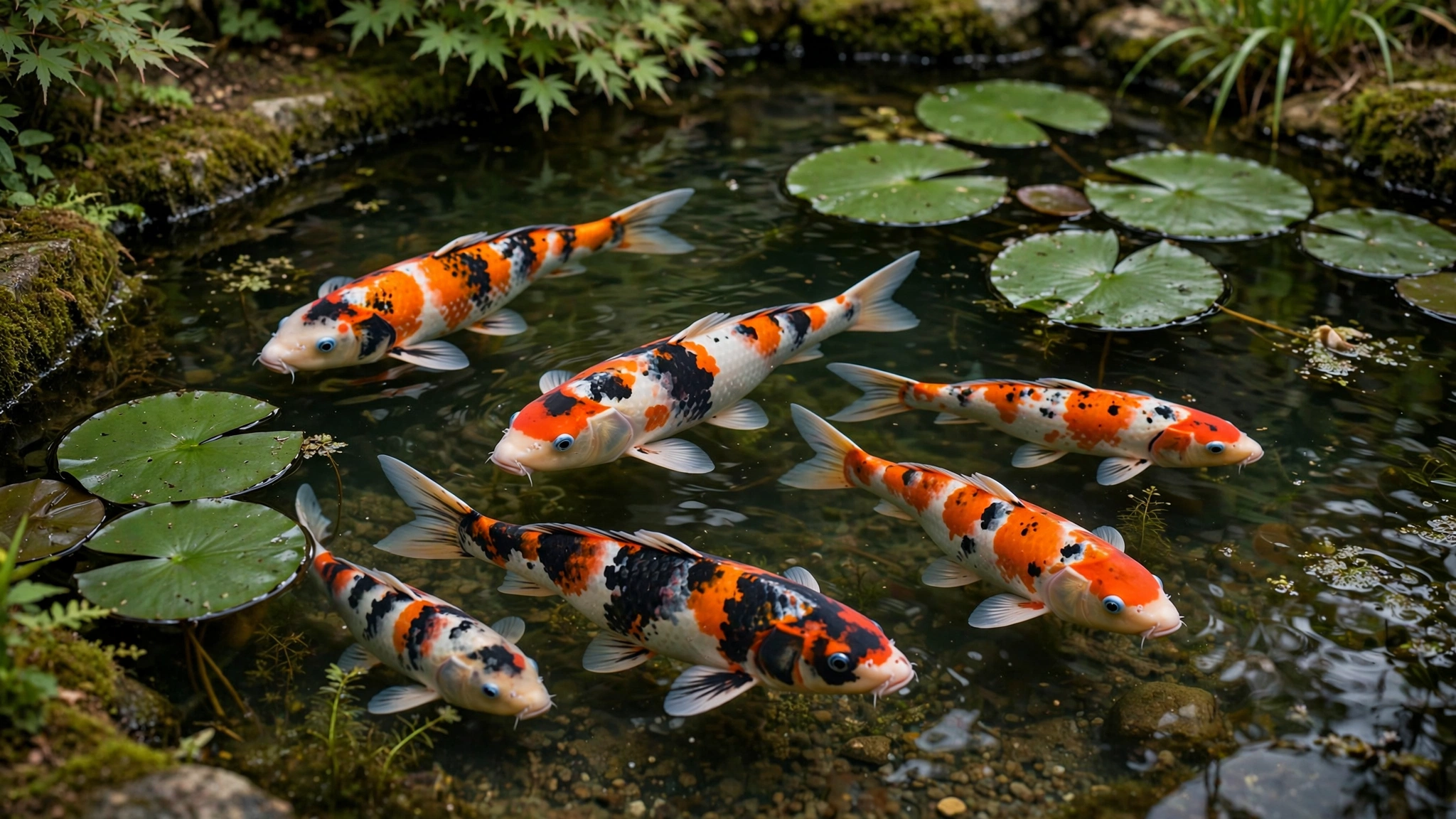
Quick Answer: Most koi grow to 24–36 inches (60–90 cm) long in a well-kept pond, with premium Japanese varieties sometimes reaching 40+ inches. Growth depends heavily on pond size, water quality, genetics, and diet — a koi in a small backyard pond may stall at 12–18 inches, while the same fish in a 2,000+ gallon pond with proper care can double that size.
If you have ever watched koi glide through a pond, you know the question that follows almost immediately: just how big do koi get? Whether you are planning your first pond or wondering if your fish have stopped growing, the answer matters — because koi size determines pond size, filtration needs, and how many fish you can responsibly keep.
Koi are not goldfish with fancier colors. They are selectively bred common carp (Cyprinus carpio) with the genetic potential for serious size. In this guide, we will cover average adult sizes, what makes some koi grow huge while others stay small, how fast they grow, and exactly what you need to do to help your koi reach their full potential.
Average Koi Size: What to Expect
A healthy adult koi in a typical backyard pond reaches 24 to 28 inches in length, measured from nose to tail tip. That is already a large fish — roughly the length of a baseball bat. Larger specimens of 30–36 inches are common among hobbyists with big ponds and good husbandry.
At the top end, championship Japanese koi (nishikigoi) have been recorded at over 40 inches and 40+ pounds. The largest koi on record reportedly measured around 47 inches. These are outliers bred from elite bloodlines and raised in mud ponds with ideal conditions, but they show what the species is capable of.
Here is a realistic size breakdown by environment:
- Small pond (500–1,000 gallons): 12–18 inches — growth is stunted by space and water quality
- Medium pond (1,000–2,500 gallons): 18–28 inches — healthy growth for most hobbyist fish
- Large pond (3,000+ gallons): 24–36+ inches — fish can approach their genetic potential
- Japanese mud ponds / elite facilities: 30–40+ inches
How Fast Do Koi Grow?
Koi grow fastest in their first few years of life. A young koi (called a tosai, meaning one year old) typically measures 6–10 inches. By age two (nisai), expect 10–16 inches. By age three (sansai), a well-raised koi reaches 16–24 inches.
Growth slows after age 3–4 but does not stop. Koi are indeterminate growers, meaning they keep growing throughout their lives, just more slowly. A 10-year-old koi in a good pond may still be adding an inch or two per year. The bulk of a koi’s size, though, is built in those first three growing seasons — which is why early care matters so much.
Growth is also seasonal. In temperate US climates, koi grow mainly from late spring through early fall when water temperatures are above 65°F and they feed actively. During winter dormancy (below 50°F), growth essentially pauses.
Growth Milestones at a Glance
- Year 1: 6–10 inches
- Year 2: 10–16 inches
- Year 3: 16–24 inches
- Year 5: 20–30 inches (well-kept fish)
- Year 10+: 24–36+ inches, growth slowing
5 Factors That Determine How Big Koi Get
1. Genetics
Genetics sets the ceiling. Koi from respected Japanese breeders (Sakai, Dainichi, Ogata, and others) are selected over generations for body conformation and growth potential. A $20 pet-store koi and a $2,000 imported tosai may look similar at 8 inches, but their adult sizes can differ dramatically. That said, even modest koi can reach 24+ inches with excellent care.
2. Pond Size and Stocking Density
This is the factor most hobbyists underestimate. The old rule of thumb: at least 250 gallons per adult koi, with 1,000+ gallons total as a practical minimum for keeping koi at all. Overcrowded ponds stunt growth through a combination of stress hormones, competition for food, and deteriorating water quality. If your koi stopped growing at 14 inches in a 500-gallon pond, space — not genetics — is almost certainly the reason.
3. Water Quality
Koi are large, messy fish that produce significant waste. Ammonia and nitrite must stay at zero; nitrate should stay under 40 ppm. Poor water quality suppresses appetite and growth directly, and chronic exposure damages gills and organs. A well-filtered pond with regular water changes is the single biggest lever you control for growth.
4. Nutrition
Koi need a high-quality diet with 30–40% protein during the growing season. Staple pellets from reputable brands (Hikari, Saki-Hikari, Dainichi) outperform generic pond food. Many serious hobbyists supplement with color-enhancing foods, wheat-germ formulas in spring and fall, and occasional treats like shrimp, silkworm pupae, or watermelon. Feed what they can consume in about five minutes, 2–4 times daily in warm water — and stop feeding when water drops below 50°F.
5. Water Temperature and Season Length
Koi in Florida or Southern California get a longer growing season than koi in Minnesota. Warmer water (within the safe 65–80°F range) means faster metabolism and more feeding months. This is one reason indoor or heated-pond koi often outgrow their outdoor counterparts in the same timeframe.
Do Koi Grow to the Size of Their Pond?
You may have heard that “fish only grow to the size of their tank.” For koi, this is a harmful myth stated too simply. Koi do not magically sense pond volume and stop growing — what actually happens in small ponds is stunting: growth-inhibiting stress hormones accumulate, water quality degrades, and the fish’s body stops developing properly while its organs may continue to grow. The result is a deformed, unhealthy fish with a shortened lifespan, not a cute miniature koi.
A koi kept in a 200-gallon pond will not stay a healthy 10-inch fish forever. It will become a stressed, stunted fish prone to disease. If you cannot provide at least 1,000 gallons, koi are not the right fish — consider shubunkins or fancy goldfish instead.
Male vs. Female Koi Size
Female koi (mesu) grow larger and bulkier than males (osu). A mature female develops a broad, torpedo-shaped body to carry eggs, while males stay slimmer and more streamlined. In show-quality koi, the biggest specimens are almost always female. If maximum size is your goal, females from good bloodlines are the ones to buy — though they cost more.
How Long Do Koi Live?
Size and lifespan go together. Koi commonly live 25–40 years in well-maintained ponds, and exceptional individuals have lived past 70. The famous koi “Hanako” reportedly lived to 226 years (based on scale ring analysis), though that claim is debated. The practical takeaway: a koi is a multi-decade commitment, and a fish that keeps growing for 20+ years needs a pond planned for its adult size, not its purchase size.
Choosing Koi for Maximum Growth
If you want big koi, start with the right fish:
- Buy from reputable dealers who can tell you the breeder and bloodline
- Look for tosai with thick bodies — a wide head and deep body at a young age predicts large adult size
- Prefer females if size is the priority (ask the dealer; sexing young koi is tricky but experienced dealers can do it)
- Quarantine new fish for 2–4 weeks before adding them to your main pond
- Start with fewer fish than you think — three koi in 1,500 gallons will outgrow six koi in the same pond
Common Mistakes That Keep Koi Small
- Overstocking: the #1 growth killer in backyard ponds
- Underfeeding or cheap food: koi need quality protein to build body mass
- Feeding in cold water: food rots in a dormant fish’s gut below 50°F
- Skipping water changes: nitrate and dissolved organics accumulate even in filtered ponds
- No quarantine: one sick new fish can set the whole pond back a season
- Shallow ponds: koi need depth (3+ feet minimum) for proper body development and temperature stability
Further Reading
- How Big Do Mini Goldendoodles Get? Complete Answer (2026)
- How Big Can Teacup Pigs Get? Complete Answer (2026)
- How Big Do Bearded Dragons Get? Complete Answer (2026)
- American Society for the Prevention of Cruelty to Animals
- PetMD’s veterinary-reviewed articles
Frequently Asked Questions
How big do koi get in a 1,000-gallon pond?
Expect 18–24 inches for healthy fish, assuming 3–4 koi max and good filtration. More fish or poor water quality will keep them smaller.
Can koi live in a 500-gallon pond?
It is not recommended long-term. Koi will survive but growth will stunt and health will suffer. A 500-gallon pond suits goldfish, not koi.
How can I make my koi grow faster?
Provide ample space (250+ gallons per fish), pristine water, high-protein quality food fed multiple times daily in warm water, and a long growing season. There are no safe shortcuts — growth hormones and overfeeding just pollute the water.
Do koi stop growing in winter?
Essentially yes. Below 50°F, koi enter dormancy, stop eating, and growth pauses until spring. This is normal and healthy.
What is the biggest koi ever recorded?
Reports vary, but specimens over 40 inches and 40 pounds are documented, with one famous fish reportedly reaching 47 inches. These are elite Japanese show koi, far beyond typical backyard fish.
Conclusion
So, how big do koi get? For most US hobbyists, 24 to 30 inches is a realistic and rewarding target — a genuinely impressive fish that turns a backyard pond into a living work of art. Reaching that size is not about luck; it is about space, water quality, nutrition, and patience across multiple growing seasons.
Plan your pond for the adult fish, not the cute 6-inch tosai at the dealer. Give them room, keep the water clean, feed them well, and your koi will reward you with decades of growth and beauty.