
 By admin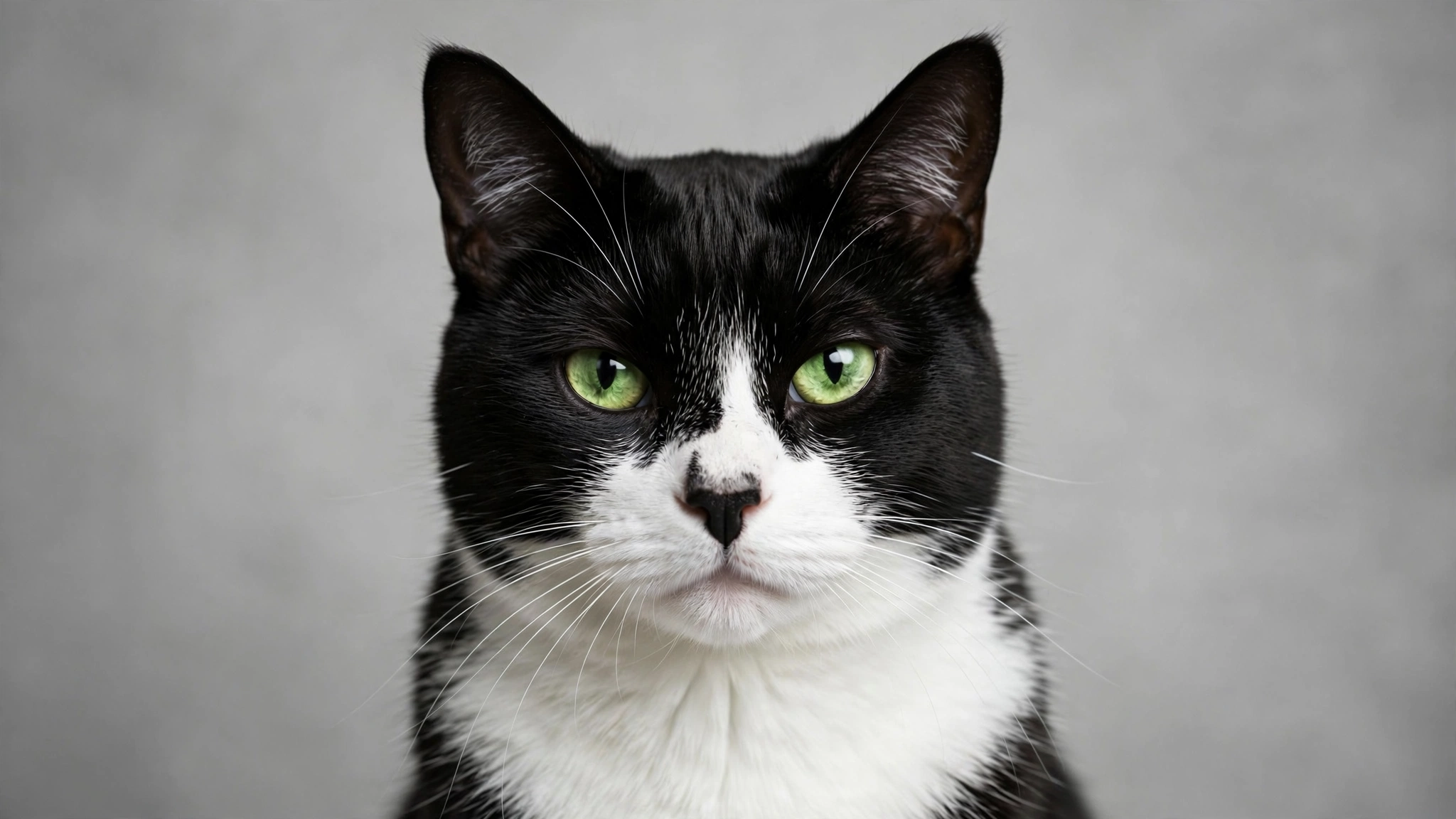
Tuxedo cats typically live 12 to 16 years indoors, and with excellent care many reach 18 to 20 years or more. “Tuxedo” describes a black-and-white coat pattern rather than a breed, so a tuxedo cat’s lifespan matches that of any healthy domestic cat kept indoors, fed well, and seen regularly by a veterinarian.
If you have ever watched a black-and-white cat strut across the room looking like it is dressed for a formal dinner, you understand why tuxedo cats have such a devoted following. These striking cats are not a breed at all. The tuxedo pattern, with its white chest, white paws, and dramatic black markings, shows up in many breeds and in countless domestic shorthairs. That distinction matters when people ask how long do tuxedo cats live, because the answer depends on the same factors that determine any cat’s lifespan: genetics, lifestyle, diet, and veterinary care.
Average Lifespan of Tuxedo Cats
For an indoor tuxedo cat, the typical lifespan falls between 12 and 16 years. That is the average range veterinarians cite for domestic cats in the United States. But averages hide the good news. A large number of indoor cats now live well past 16, and reaching 18 to 20 years is no longer remarkable for a cat that has been spayed or neutered, kept indoors, fed a balanced diet, and given routine veterinary care.
The biggest single variable is lifestyle. Indoor cats live roughly twice as long as cats allowed to roam outdoors. Outdoor tuxedo cats face traffic, predators, infectious diseases like feline leukemia, parasites, and fights with other animals. A free-roaming cat’s life expectancy often drops to just 2 to 5 years in high-risk environments, although in safe rural areas outdoor cats may do somewhat better. If longevity is the goal, indoor living is the single most powerful choice you can make.
Tuxedo Is a Coat Pattern, Not a Breed
This point deserves emphasis because it shapes every claim about tuxedo cat lifespan. A tuxedo cat might be a purebred American Shorthair, a British Shorthair, a Maine Coon mix, or a plain domestic shorthair with no pedigree at all. Each of those genetic backgrounds carries its own breed-specific health tendencies and typical lifespan ranges.
Mixed-breed domestic cats, which make up the majority of tuxedo cats, benefit from hybrid vigor: genetic diversity that tends to reduce the frequency of inherited diseases seen in heavily inbred lines. This is one reason shelter-adopted tuxedo cats so often live into their late teens. Purebred tuxedo cats may inherit whatever conditions their breed is prone to, so a pedigree tuxedo’s expected lifespan tracks its breed average rather than any tuxedo-specific number.
Factors That Determine How Long Your Tuxedo Cat Lives
Indoor vs. Outdoor Living
As noted above, keeping a cat indoors is the strongest predictor of a long life. If your tuxedo cat craves the outdoors, consider supervised options: a secure catio, harness walks, or screened window perches. These satisfy curiosity without exposing the cat to the hazards that shorten outdoor cats’ lives.
Spaying or Neutering
Sterilized cats live noticeably longer than intact cats. Spaying eliminates the risk of pyometra and sharply reduces mammary cancer risk when done before the first heat. Neutering removes testicular cancer risk and reduces roaming, fighting, and the injuries and infections that follow. Most cats are sterilized between 4 and 6 months of age in the United States.
Diet and Weight
Obesity is one of the most common and most preventable threats to a cat’s lifespan. Overweight cats are at higher risk of diabetes, arthritis, hepatic lipidosis, and urinary problems. Feed a diet formulated for the cat’s life stage, measure portions rather than free-feeding dry food all day, and ask your veterinarian to track body condition score at every visit. A lean tuxedo cat will very likely outlive an obese one by several years.
Routine Veterinary Care
Annual wellness exams catch problems early, when they are cheapest and easiest to treat. Senior cats, generally those over 10, should see the veterinarian every six months. Core vaccinations, year-round parasite prevention, and dental checkups are all part of preventive care. Dental disease affects a majority of cats over age 3 and is linked to systemic inflammation, so do not skip dental evaluations.
Genetics
You cannot change your cat’s genes, but you can know them. If your tuxedo cat is a purebred or has a known pedigree, learn which hereditary conditions that breed carries and ask your veterinarian about screening. For rescue cats with unknown backgrounds, regular bloodwork starting around middle age is the best way to catch inherited conditions before they cause damage.
Common Health Issues in Tuxedo Cats
Because tuxedo cats are overwhelmingly domestic shorthairs and mixes, they tend to develop the same conditions seen across the general cat population:
- Chronic kidney disease (CKD): Extremely common in older cats, affecting roughly one in three cats over 10. Early detection through blood and urine tests allows diet changes and medications that can extend life for years.
- Hyperthyroidism: An overactive thyroid gland, most often seen in middle-aged and senior cats. Treatable with medication, diet, or radioactive iodine therapy.
- Dental disease: Gingivitis and periodontal disease are widespread. Regular cleanings and home dental care help prevent tooth loss and pain.
- Diabetes mellitus: Strongly associated with obesity. Many diabetic cats achieve remission with insulin therapy and diet change.
- Lower urinary tract disease: Stress-related cystitis and urinary blockages (in males, a true emergency) are common in indoor cats; adequate water intake and stress management help.
None of these is unique to the tuxedo pattern. The coat pattern has no demonstrated link to any specific disease or lifespan difference.
How to Help Your Tuxedo Cat Live Longer
If you want your tuxedo cat to join the 18-to-20-year club, the formula is unglamorous but effective:
- Keep the cat indoors, with supervised outdoor enrichment if desired.
- Spay or neuter on your veterinarian’s recommended schedule.
- Feed measured, life-stage-appropriate portions and keep the cat lean.
- Schedule annual vet exams, twice yearly after age 10, with dental checks and bloodwork.
- Keep vaccinations and parasite prevention current, even for indoor cats.
- Provide fresh water (a fountain encourages drinking), scratching posts, play sessions, and low-stress routines.
- Monitor litter box habits, appetite, and weight — subtle changes are often the first sign of illness in cats.
Mental stimulation matters too. Boredom contributes to stress and stress contributes to disease. Daily interactive play, puzzle feeders, and vertical space like cat trees keep an indoor tuxedo cat physically and mentally fit.
Senior Tuxedo Cat Care
Once your tuxedo cat passes 10, treat it as a senior. Senior blood panels, blood pressure checks, and thyroid screening become routine. Adjust the home: low-sided litter boxes, ramps to favorite perches, and softer bedding for arthritic joints. Many owners are surprised how well senior cats respond to small accommodations. A 16-year-old tuxedo cat with well-managed kidney disease can still enjoy a high quality of life for years.
Further Reading
- How Long Do Raccoons Live? Complete Answer (2026)
- How Long Do Great Danes Live? Complete Answer (2026)
- How Long Do Boston Terriers Live? Complete Answer
- AKC’s dog breed guide
- American Society for the Prevention of Cruelty to Animals
Frequently Asked Questions
Do tuxedo cats live longer than other cats?
No. The tuxedo pattern is purely cosmetic and does not affect lifespan. What can make tuxedo cats appear long-lived is that most are mixed-breed domestic shorthairs, which benefit from genetic diversity and tend to be hardy.
Can a tuxedo cat live to 20?
Yes. Reaching 20 is uncommon but entirely possible for an indoor, spayed or neutered tuxedo cat with good nutrition and regular veterinary care. Some cats live into their early twenties.
What is the leading cause of death in senior cats?
Chronic kidney disease is one of the most common causes of death in cats over 10, along with cancer and heart disease. Regular senior screening is the best defense.
Do male or female tuxedo cats live longer?
In general, female cats live slightly longer than males, by about a year on average. Sterilization narrows some of the risk gap, but the female advantage persists in most feline lifespan studies.
Is 14 old for a tuxedo cat?
Fourteen is senior but not extreme old age. In human terms it is roughly comparable to a person in their early seventies. With attentive care, many tuxedo cats remain active and comfortable well past 14.
Conclusion
So, how long do tuxedo cats live? Expect 12 to 16 years for an indoor cat, with 18 to 20 or more well within reach for a cat that is spayed or neutered, kept indoors, fed carefully, and monitored by a veterinarian. The tuxedo markings make for a stunning cat, but they do not shorten or lengthen life. What extends your tuxedo cat’s years is the same quiet, consistent care that extends any cat’s: good food, clean water, preventive vet visits, a safe indoor home, and daily attention from the person they have decided to tolerate. Give your tuxedo cat that, and the odds are excellent that you will share many long, happy years together.