
 By admin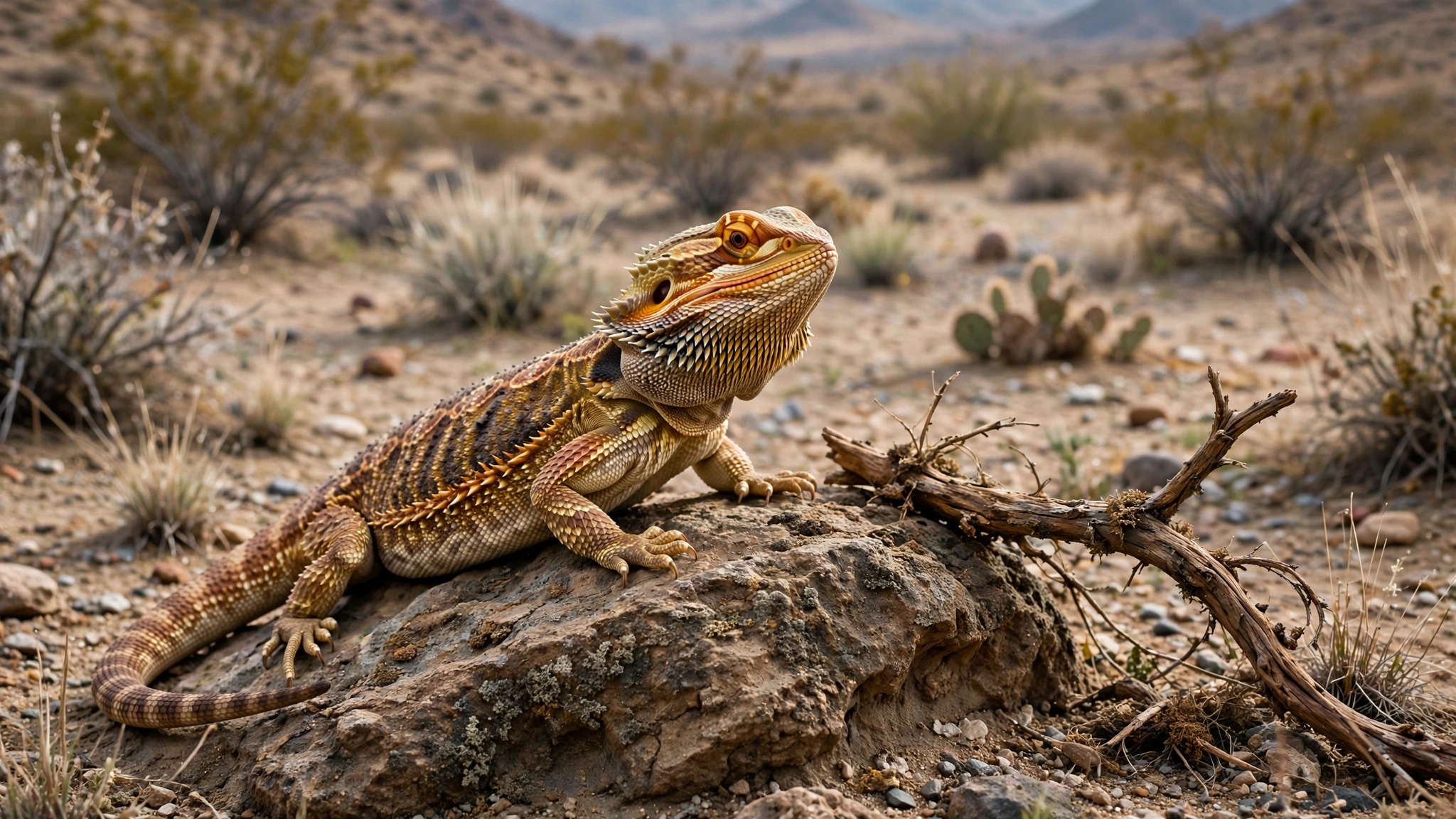
Adult male bearded dragons reach 18 to 24 inches long, while females reach 16 to 22 inches, measured from nose to tail tip. Most of that growth happens in the first 12 months of life, and they reach full adult size at around 18 months. An adult bearded dragon needs at least a 75-gallon enclosure to stay healthy.
If you are wondering how big bearded dragons get, you are asking one of the most common questions in reptile keeping. These desert lizards are famous for their calm temperament and dog-like personality, but they also grow into surprisingly large animals. A tiny two-inch hatchling can become a two-foot adult in under two years. Understanding their adult size before you buy one is important, because the enclosure, food budget, and lighting setup all depend on how big your dragon will get.
Average Adult Bearded Dragon Size
For the standard central bearded dragon, which is the species sold in nearly every US pet store, adult males typically measure 18 to 24 inches from snout to tail tip. Adult females are slightly smaller, usually 16 to 22 inches. About half of that total length is the tail. Males tend to have broader heads, wider tails at the base, and darker beards, which are the traits breeders use to tell the sexes apart.
There are several morphs and subspecies that break the rule. Rankin’s dragons and other dwarf types sold as “pygmy bearded dragons” stay under 12 inches and suit smaller tanks. On the other end, a well-fed German giant line can push past 24 inches. Unless the breeder specifically sold you a dwarf or giant line, expect your dragon to land in the standard range.
Weight matters as much as length. A healthy adult bearded dragon weighs between 350 and 550 grams. Males at the top end can reach 600 grams. Your dragon should feel solid and muscular, with a tail that is thick at the base and tapers evenly. A kitchen scale that reads in grams costs about 12 to 15 dollars and is one of the best health-monitoring tools a reptile keeper can own.
Bearded Dragon Growth Timeline
Bearded dragons grow fast. Here is what a typical, well-fed dragon looks like at each stage of life.
Hatchling (0 to 2 months)
Hatchlings emerge at about 2 to 3 inches long and weigh just a few grams. They are delicate at this stage and eat almost exclusively small insects such as pinhead crickets or quarter-inch dubia roaches. By two months, a healthy hatchling reaches 4 to 6 inches.
Juvenile (2 to 7 months)
This is the explosive growth phase. Juveniles can gain an inch or more per month, reaching 8 to 14 inches by six months of age. During this window, protein drives growth, so insects should make up roughly 70 to 80 percent of the diet, with finely chopped greens offered daily. A juvenile can eat 30 to 80 appropriately sized crickets per day, which surprises many new owners when they see the feeder insect bill.
Sub-adult (7 to 18 months)
Growth slows but continues. Sub-adults reach 14 to 20 inches, and their diet shifts toward more vegetation. By 12 months, the ratio flips so that greens make up about 70 percent of the diet and insects about 30 percent. Sexual maturity arrives between 8 and 12 months, though dragons should not be bred until they are at least 18 months old and at full weight.
Adult (18 months and older)
By 18 months, growth plates close and the dragon reaches its final adult size of 16 to 24 inches. Adults eat mostly salads with a modest insect feeding two to three times per week. They can live 10 to 15 years in captivity with good care, so that adult size is a decade-long commitment.
Factors That Affect How Big Your Dragon Gets
Genetics sets the ceiling, but husbandry decides whether your dragon reaches it. These are the factors that matter most.
Diet and feeding
Underfeeding protein during the juvenile phase is the most common cause of a stunted dragon. Babies need calcium-dusted insects at every feeding, and every insect should be no longer than the space between the dragon’s eyes. Variety matters too: dubia roaches, black soldier fly larvae, and occasional silkworms beat a cricket-only diet. Budget about 40 to 80 dollars per month for feeder insects while your dragon is a juvenile; adults cost far less, around 15 to 25 dollars per month.
UVB lighting
Without proper UVB light, a bearded dragon cannot metabolize calcium, which leads to metabolic bone disease and permanently stunted, deformed growth. Use a T5 high-output UVB tube, such as a 10.0 or 12 percent bulb, spanning at least half the tank length, mounted inside the enclosure 10 to 12 inches from the basking spot. A quality UVB setup costs 50 to 90 dollars and the bulb must be replaced every 6 to 12 months even if it still glows, because invisible UVB output fades.
Basking temperature
Bearded dragons digest food using external heat. The basking spot must reach 100 to 110 degrees Fahrenheit for juveniles and 95 to 105 degrees for adults, with a cool side around 80 degrees. A dragon kept too cool cannot digest properly and will grow slowly no matter how much it eats. A reliable digital thermometer with a probe costs about 10 dollars; do not trust the stick-on dials sold in starter kits, which can be off by 15 degrees or more.
Enclosure size
Cramming a growing juvenile into a tiny tank does not keep it small in a healthy way. It stresses the animal, suppresses appetite, and stunts growth through chronic stress. Give juveniles room from the start instead of buying a new tank every few months.
Health and parasites
Parasites such as coccidia and pinworms are common in young dragons and quietly steal nutrition, causing slow growth. If your dragon is eating well but not growing, a reptile vet fecal exam, usually 30 to 60 dollars, is money well spent. A general reptile vet visit runs 60 to 120 dollars in most US cities.
Tank Size Guidance for Each Life Stage
Tank size recommendations in the US reptile community have increased over the years as keepers learned more about enrichment. Here is a practical guide.
- Hatchlings and small juveniles: A 20-gallon long tank works for the first couple of months, but most keepers skip straight to a 40-gallon breeder to save money.
- Juveniles over 10 inches: A 40-gallon breeder tank, 36 by 18 by 18 inches, is the minimum.
- Adults: A 75-gallon tank, 48 by 18 by 21 inches, is the widely accepted minimum for an adult. The modern standard many breeders recommend is a 4 by 2 by 2 foot enclosure, roughly 120 gallons, which gives an adult room to turn, climb, and thermoregulate. Expect to pay 150 to 300 dollars for a 75-gallon setup and 250 to 450 dollars for a 4 by 2 by 2 foot PVC enclosure.
A 40-gallon tank for an adult is too small, even though chain pet stores still sell “bearded dragon kits” built around them. Measure the tank yourself before trusting a kit label. Your dragon should be able to walk the full length of the tank and turn around without touching both walls.
How to Measure Your Bearded Dragon
Measuring a squirming lizard takes a little patience. Wait until your dragon is calm, ideally after basking. Lay a soft measuring tape along the floor of the tank or a table, and gently coax your dragon to walk straight along it. Record the nose-to-tail-tip length in inches, and weigh the dragon in grams on a kitchen scale. Log both numbers once a month. Steady gains in the first year are normal; a juvenile that stops growing for more than a month, loses weight, or develops a thin tail deserves a vet visit.
When to Worry About Size
A dragon that is dramatically smaller than expected at 12 months may be stunted from poor UVB, cool temperatures, parasites, or chronic underfeeding. Catching the cause early gives the dragon its best chance at recovery, though some stunting is permanent. Also watch for the opposite problem: obesity. An adult over 600 grams with fat pads bulging behind the head and a tail base that feels squishy rather than firm is overweight. Obese dragons develop fatty liver disease, which is a leading killer of captive adults. Cut back insects to two feedings per week and increase leafy greens.
Further Reading
- How Big Do Mini Goldendoodles Get? Complete Answer (2026)
- How Big Can Teacup Pigs Get? Complete Answer (2026)
- How Big Does a Cavapoo Get? (2026) Size Guide
- American Society for the Prevention of Cruelty to Animals
- PetMD’s veterinary-reviewed articles
Frequently Asked Questions
How big do bearded dragons get in one year?
Most bearded dragons reach 14 to 20 inches by their first birthday, which is roughly 80 percent of their final adult size. Growth is fastest between 2 and 7 months, when a healthy juvenile can gain an inch or more per month. After 12 months, growth slows noticeably as the diet shifts toward greens.
Do female bearded dragons stay smaller than males?
Yes. Females typically reach 16 to 22 inches, while males reach 18 to 24 inches. The difference is modest and there is plenty of overlap, so a large female can easily outgrow a small male. Body weight follows the same pattern, with females usually landing at the lighter end of the 350 to 550 gram adult range.
Can a bearded dragon live in a 40-gallon tank as an adult?
No, a 40-gallon tank is too small for an adult bearded dragon. The minimum for an adult is a 75-gallon tank, 48 by 18 by 21 inches, and the recommended standard is a 4 by 2 by 2 foot enclosure of about 120 gallons. Adults in undersized tanks show stress behaviors like glass surfing and tend to have weaker appetites and duller coloration.
How much does it cost to house an adult bearded dragon?
The enclosure itself costs 150 to 450 dollars depending on size and material, plus 50 to 90 dollars for a proper T5 UVB setup and about 30 dollars for heating equipment. Ongoing costs run roughly 25 to 40 dollars per month for food, electricity, and bulb replacements, plus an annual vet checkup of 60 to 120 dollars.
Conclusion
Bearded dragons get bigger than most first-time owners expect: 18 to 24 inches for males and 16 to 22 inches for females, reached by about 18 months of age. Plan for the adult from day one by buying a 75-gallon or larger enclosure, installing real T5 UVB lighting, holding basking temperatures between 100 and 110 degrees for juveniles, and feeding generous protein early. Do that, and your tiny hatchling has every chance of growing into a big, healthy adult that thrives for 10 to 15 years.
[…] How Big Do Bearded Dragons Get? Complete Answer (2026) […]
[…] How Big Do Bearded Dragons Get? Complete Answer (2026) […]