
 By admin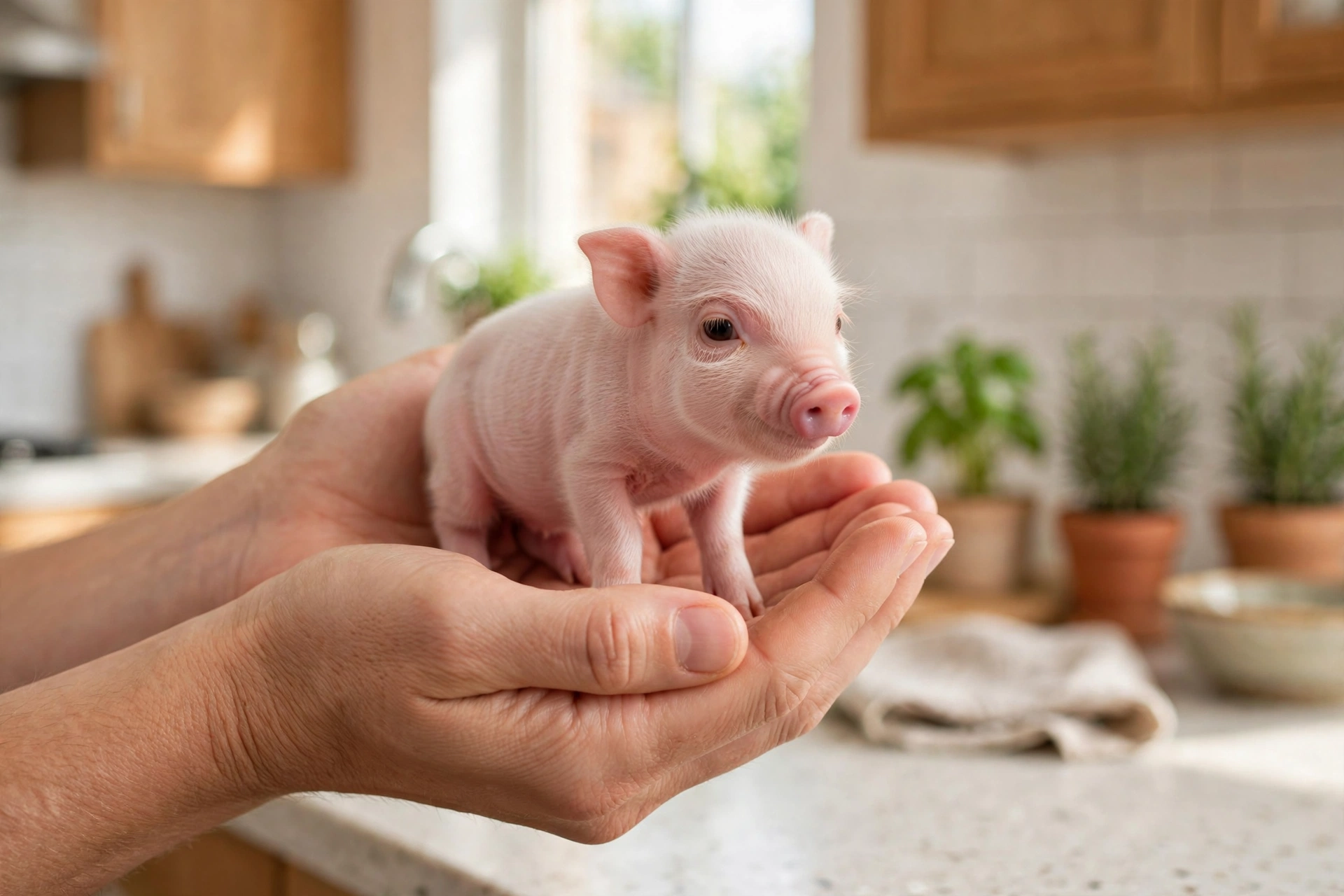
Quick Answer: “Teacup pig” is a marketing term, not a recognized breed — and these pigs grow far larger than most buyers expect. While breeders may promise a 20- to 30-pound adult, most so-called teacup pigs reach 65 to 200 pounds fully grown, with many landing in the 100- to 150-pound range. If you’re considering one, plan for a medium-to-large pig, not a purse-sized pet.
“Teacup Pig” Is Not a Real Breed
Let’s start with the most important fact: no major swine registry recognizes a “teacup” breed. The term was coined by breeders to describe selectively bred miniature pigs — usually a mix of Vietnamese potbellied pigs, Juliana pigs, and other small breeds. Because “teacup” sounds adorable and implies a tiny, manageable pet, the label stuck. But it describes a size claim, not genetics, and there is no standard behind it.
This matters because unregulated terminology lets sellers promise almost anything. A breeder can call any small piglet a “teacup” regardless of its parents’ actual adult size. Some breeders are honest about realistic expectations; others show buyers the smallest piglet in a litter, quote an optimistic adult weight, and collect a premium price — often $1,000 to $3,000 or more for a “micro” or “teacup” piglet, compared to a few hundred dollars for a standard mini pig from a rescue.
How Big Do Teacup Pigs Actually Get?
Here’s the reality, based on owner reports and veterinary data. Most pigs sold as “teacup” or “micro mini” pigs grow to:
- 35–65 pounds — the absolute smallest end, achievable only with genuinely small breeding stock and strict (but healthy) diet management. This is rare.
- 65–120 pounds — the most common adult range for well-bred mini pigs, roughly the size of a medium-to-large dog.
- 120–200+ pounds — common when the pig has potbellied heritage, was underfed as a piglet (stunting early growth, then catching up), or simply comes from larger lines.
For perspective, a 100-pound pig stands about 20 inches tall at the shoulder and is powerfully built — closer to a large Labrador than anything that fits in a teacup. Sanctuaries across the United States are full of surrendered “teacup” pigs whose owners expected a 25-pound pet and got a 150-pound one instead. This is the number-one reason mini pigs are rehomed.
Growth Timeline: When Do They Stop Growing?
One reason buyers get surprised is that pigs grow slowly. Unlike dogs, which reach adult size in a year or so, pigs keep growing until they are 3 to 5 years old. A pig that looks pleasingly small at 6 months — the age most are sold — may triple or quadruple in weight over the next few years.
A rough timeline: at 8 weeks (typical sale age), a mini piglet weighs 5 to 10 pounds and fits in your arms. By one year, expect 30 to 60 pounds. By age two, 50 to 100 pounds. Full maturity at 3 to 5 years brings the final adult weight — and by then, the “teacup” illusion is long gone. Some owners report their pigs continuing to fill out even beyond age five.
Why Breeders’ Size Claims Don’t Hold Up
Several tricks — some innocent, some not — make piglets look like they’ll stay tiny:
- Showing the parents is unreliable. Dishonest breeders may show you a young “mother” who is herself still growing, or even an unrelated small pig. Always ask the ages of the parent pigs.
- Underfeeding stunts growth temporarily. Some breeders keep breeding pigs on restricted diets so they stay small. The piglets look petite, but once fed properly in a new home, they grow rapidly to their genetic size.
- The runt effect. Showing buyers the smallest piglet in a litter creates false expectations about the average.
- No breed standard exists. Without a registry enforcing size limits, “teacup” means whatever the seller wants it to mean.
Mini Pig Breeds and Realistic Sizes
If you want a genuinely small pig, look at actual established miniature breeds rather than marketing labels. The Juliana pig is one of the smallest recognized mini breeds, typically reaching 30 to 65 pounds. KuneKunes (from New Zealand) are friendly and usually 100 to 200 pounds — not small, but known for gentle temperaments. Vietnamese potbellied pigs, the foundation of most American mini pigs, commonly reach 100 to 200 pounds.
Reputable breeders will show you adult pigs from their lines that are at least 3 to 5 years old, provide honest weight ranges, and encourage you to visit pig sanctuaries to see full-grown minis in person before committing.
The True Cost of Owning a Mini Pig
Beyond the purchase price, budget realistically. Initial setup — secure outdoor space or pig-proofed indoor area, fencing, shelter, and bedding — often runs $500 to $2,000. Quality mini pig pellets cost $30 to $60 per month, plus fresh vegetables. Veterinary care is a significant line item: find a vet experienced with pigs before you buy, because many small-animal vets won’t treat them. Spaying or neutering costs $200 to $600, and annual checkups run $100 to $300. Hoof trimming, usually needed a few times a year, costs $50 to $100 per session if you hire a farrier.
Space, Care, and Daily Needs
Pigs are intelligent — often compared to a 3-year-old human child — social, and surprisingly clean when given the opportunity. They need outdoor rooting space (a securely fenced yard is ideal), mental enrichment to prevent destructive boredom, and companionship; a lonely pig is an unhappy, destructive pig. Many owners keep pairs. They can be litter-trained indoors, but a 120-pound animal has 120-pound needs: sturdy flooring, pig-proofed cabinets, and realistic expectations about mud.
Daily care includes fresh water, measured feed (obesity is the top health problem in pet pigs — those round bellies are cute but dangerous), hoof checks, skin care (pigs sunburn and get dry skin), and social time. Plan on at least an hour of active care and interaction daily.
Zoning and Legal Considerations
Before falling in love with a piglet, check your local laws. Many cities and HOAs classify pigs as livestock, not pets, and prohibit them outright — even “teacup” ones. Some areas allow them with permits; others ban all swine due to disease concerns. Violating these rules can mean fines and forced rehoming, which is heartbreaking for everyone. Call your city zoning office and check HOA covenants in writing before you buy.
Further Reading
- How Big Do Mini Goldendoodles Get? Complete Answer (2026)
- How Big Do Bearded Dragons Get? Complete Answer (2026)
- How Big Does a Cavapoo Get? (2026) Size Guide
- ASPCA’s pet care resources
- AKC’s dog breed guide
Frequently Asked Questions
Do teacup pigs stay small forever?
No. There is no pig that stays teacup-sized as an adult. Even the smallest mini breeds reach 30+ pounds, and most “teacup” pigs exceed 65 pounds.
How long do mini pigs live?
With proper care, 12 to 20 years. This is a two-decade commitment — longer than many dogs.
Are teacup pigs good apartment pets?
Generally no. Even small pigs need outdoor space, root around destructively when bored, and vocalize loudly. They’re far better suited to homes with yards.
Can you train a pig?
Absolutely — pigs learn tricks, commands, and litter habits quickly, sometimes faster than dogs. They’re also stubborn, so consistent, positive training from day one is essential.
Should I adopt instead of buying?
Strongly consider it. Sanctuaries are overwhelmed with surrendered “teacup” pigs, many still young. Adoption fees are lower ($100–$400), and you’ll know the pig’s true adult size.
Conclusion
Teacup pigs don’t stay teacup-sized — that’s the single fact every prospective owner needs to internalize. Expect a 65- to 150-pound animal, budget accordingly, check your zoning laws, and consider adopting from a sanctuary where you’ll meet the pig at its real adult size. Done with open eyes, mini pig ownership is deeply rewarding; done on a breeder’s 25-pound promise, it too often ends in heartbreak and surrender.