
 By admin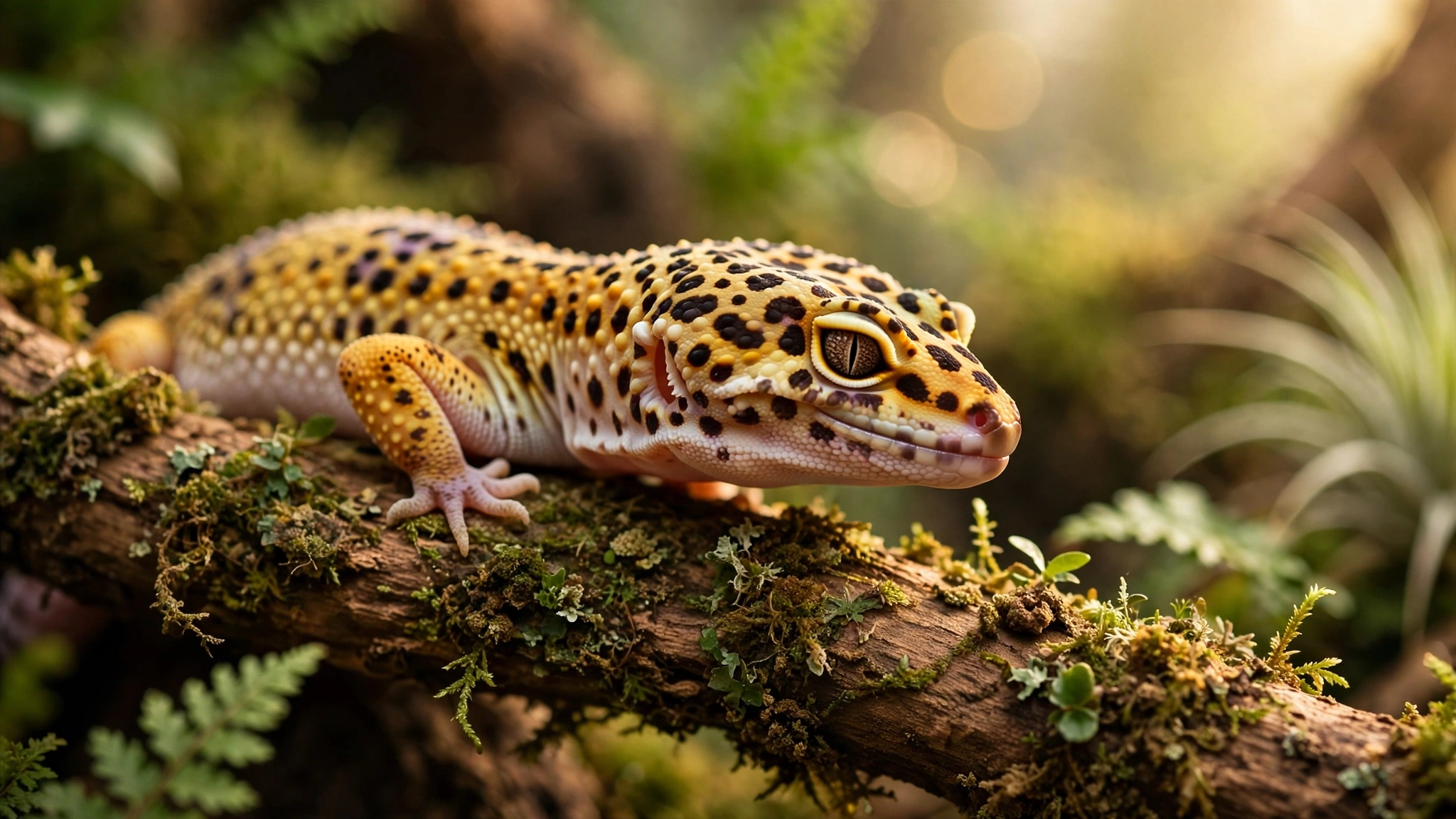
Quick Answer: Baby leopard geckos (under 6 months) should eat every day, juveniles (6–12 months) every other day, and healthy adults every 2–3 days. Offer as many appropriately sized insects as they will eat in 10–15 minutes, and always dust feeders with calcium. An adult that suddenly stops eating for more than two weeks may need a vet check.
Leopard geckos are one of the most popular pet reptiles in the US, and feeding is the part new owners worry about most. How often do leopard geckos eat? The answer changes as your gecko grows — a hungry hatchling and a chunky adult have very different needs. Get the schedule wrong and you risk obesity on one end or stunted growth on the other.
This guide covers exact feeding schedules by age, how much to offer, the best feeder insects, supplementation, and the warning signs that something is off with your gecko’s appetite.
Leopard Gecko Feeding Schedule by Age
Age is the primary driver of feeding frequency. Here is the schedule most reptile veterinarians and experienced breeders recommend:
- Hatchlings (0–2 months): Daily — small insects, as much as they will eat in 10–15 minutes
- Babies (2–6 months): Daily — 5–8 appropriately sized insects per feeding
- Juveniles (6–12 months): Every other day — 6–10 insects per feeding
- Adults (12+ months): Every 2–3 days — 6–10 insects per feeding
- Breeding females: Daily during breeding season — they need extra calcium and calories for egg production
These are starting points, not rigid laws. Watch your gecko’s body condition: a healthy leopard gecko has a thick, plump tail (where it stores fat) and a body that is rounded but not bloated. If the tail is thinning, feed more often; if the gecko looks like a sausage with fat rolls in the armpits, cut back.
How Much Should a Leopard Gecko Eat Per Feeding?
The classic rule: offer insects no wider than the space between your gecko’s eyes, and let it eat for 10–15 minutes. For most adults, that works out to roughly 6–10 medium dubia roaches or 8–12 mealworms per feeding. Babies take smaller prey — pinhead crickets or small mealworms — but eat with surprising enthusiasm.
Do not leave uneaten crickets in the enclosure overnight. Crickets can and will nibble on a sleeping gecko, causing stress and skin injuries. Remove leftovers after 15–20 minutes.
Best Feeder Insects for Leopard Geckos
Variety matters. No single insect provides complete nutrition, so rotate among these staples:
- Dubia roaches: the gold standard — high protein, low fat, easy to gut-load, do not smell or jump (note: illegal in Florida, California, and a few other states; use discoid roaches there)
- Mealworms: convenient and widely available, but higher in fat — best as part of a rotation, not the sole diet
- Crickets: nutritious and stimulating to hunt, but noisy, smelly, and prone to escaping
- Black soldier fly larvae (BSFL / calciworms): naturally high in calcium, excellent staple
- Hornworms: great for hydration and as an occasional treat; too watery as a staple
- Superworms: okay for large adults occasionally; too fatty and large for juveniles
- Waxworms: treats only — essentially candy for geckos; useful to tempt a gecko off a hunger strike
Avoid wild-caught insects (pesticide risk) and fireflies/lightning bugs, which are toxic to reptiles. Never feed insects larger than the gecko can comfortably swallow — impaction is a real danger.
Supplements: Calcium and Vitamins
Supplementation is non-negotiable. Feeder insects alone do not provide enough calcium, and deficiency causes metabolic bone disease (MBD) — a painful, crippling, and common condition in captive geckos.
- Calcium without D3: leave a small bottle cap of it in the enclosure at all times; geckos will lick it as needed
- Calcium with D3: dust feeders with it 2–3 times per week (D3 helps calcium absorption; essential if you do not use UVB lighting)
- Multivitamin (reptile-specific): dust feeders once a week to cover vitamin A and other micronutrients
To dust: place insects in a bag or cup with a pinch of powder and shake gently. The “shake and bake” method takes seconds and makes an enormous difference to long-term health.
Do Leopard Geckos Need Water?
Yes — always provide a shallow water dish with fresh water, changed daily. Leopard geckos drink less obviously than mammals, but dehydration is a common problem, especially in dry climates or during shedding. Some geckos prefer to lick droplets, so a light misting of the enclosure wall a few times a week can encourage drinking.
Why Is My Leopard Gecko Not Eating?
A healthy adult occasionally skipping meals is normal — but a prolonged hunger strike has causes worth investigating:
- Shedding: geckos often refuse food for a few days around a shed; appetite returns after
- Temperature too low: leopard geckos need a warm side of 88–92°F to digest; if the enclosure is too cool, they stop eating
- Breeding season: males especially may go off food for weeks during breeding season (typically winter–spring)
- Stress: new enclosure, excessive handling, or cohabitation with another gecko
- Impaction: loose substrate (sand, walnut shell) can block the digestive tract — use paper towel, tile, or reptile carpet instead
- Illness or parasites: if appetite loss comes with weight loss, lethargy, or abnormal droppings, see a reptile vet
Rule of thumb: an adult gecko with a fat tail can safely skip food for 1–2 weeks. Beyond two weeks with visible weight loss, get a veterinary exam and consider a fecal test for parasites.
Feeding During Brumation
Some leopard geckos slow down in winter (brumation), eating less and moving less. This is natural. Reduce feeding frequency, keep water available, and maintain proper temperatures. Do not force-feed. Appetite typically rebounds in spring.
Common Feeding Mistakes
- Feeding adults daily: leads to obesity, fatty liver disease, and shortened lifespan
- Skipping supplements: the #1 cause of metabolic bone disease
- Feeding only mealworms: too fatty as a sole diet; rotate feeders
- Prey too large: impaction risk, especially in babies
- Leaving crickets overnight: they bite sleeping geckos
- Loose substrate + feeding in enclosure: geckos ingest substrate with prey; feed in a separate bin or use solid substrate
Further Reading
- How Often Can I Bathe My Dog? Complete Answer (2026)
- How to Tell How Old a Kitten Is: Step-by-Step Guide (2026)
- How Long Do Raccoons Live? Complete Answer (2026)
- PetMD’s veterinary-reviewed articles
- Humane Society of the United States
Frequently Asked Questions
How often do leopard geckos eat as babies?
Every day. Babies under 6 months are growing rapidly and need daily feedings of small insects, as much as they will eat in 10–15 minutes.
Can I overfeed my leopard gecko?
Yes, especially adults. Feeding an adult daily or offering unlimited waxworms leads to obesity. Stick to every 2–3 days and monitor the tail and body condition.
Do leopard geckos eat fruits or vegetables?
No. Leopard geckos are strict insectivores. They do not eat plant matter, and offering it is pointless — stick to live insects.
How long can a leopard gecko go without eating?
A healthy adult with a plump tail can go 2–3 weeks without concern, drawing on fat reserves. Babies should not go more than a few days without food.
Should I feed my gecko at night?
Leopard geckos are crepuscular (most active at dawn and dusk), so early evening feedings align with their natural hunting behavior. Daytime feeding works too if that is when they show interest.
Conclusion
So, how often do leopard geckos eat? Daily for babies, every other day for juveniles, and every 2–3 days for adults — with proper calcium supplementation at every stage. Learn to read your gecko’s body condition, keep temperatures correct, rotate quality feeder insects, and you will have a feeding routine that keeps your gecko healthy for its full 15–20+ year lifespan.