
 By admin
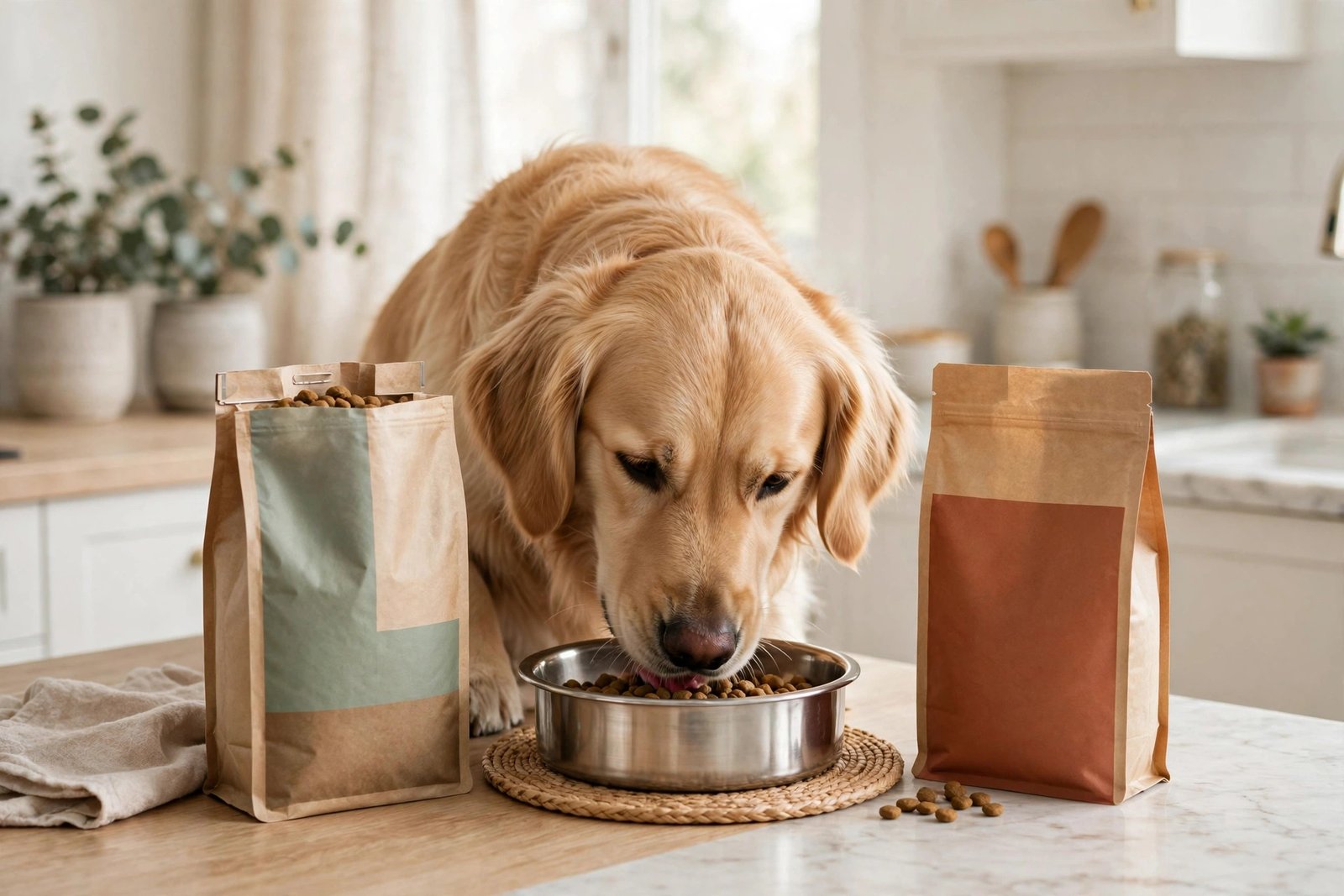
You found a better food for your pet — healthier ingredients, a vet’s recommendation, a price that makes sense — but the first bowl of the new stuff leads to vomiting, diarrhea, or a hunger strike. Sound familiar? Abrupt food switches upset pets’ digestive systems because gut bacteria need time to adjust to new proteins, fats, and fiber levels. The fix is simple but non-negotiable: transition gradually over 7–14 days, and almost every stomach upset is preventable.
This guide covers the day-by-day transition schedule trusted by veterinary nutritionists, how to handle picky eaters, special cases (puppies, seniors, sensitive stomachs), and when digestive symptoms mean “slow down” versus “call the vet.”
The 7–14 Day Transition Schedule
The standard protocol endorsed by veterinary nutritionists: Days 1–3: 75% old food, 25% new. Days 4–6: 50/50. Days 7–9: 25% old, 75% new. Day 10+: 100% new. Mix thoroughly so your pet can’t eat around the new kibble. For pets with known sensitive stomachs, stretch each phase to 4–5 days for a full two-week (or longer) transition — there’s no prize for speed here.
Keep everything else constant during the switch: same feeding times, same portions (adjust for the new food’s calorie density — check the label, since calories per cup vary enormously between brands), same treats. Changing multiple variables at once makes it impossible to identify the culprit if problems arise. And resist the urge to “just try a bowl of the new stuff” to see if they like it — that single abrupt meal is exactly what causes the weekend of digestive misery. The American Veterinary Medical Association emphasizes gradual dietary transitions in its pet nutrition guidance.
Winning Over the Picky Eater
Some pets — cats especially — treat new food as a personal insult. Cats are neophobic by nature, and a cat that has eaten one kibble for five years may genuinely not recognize new food as food. Strategy: make the new food smell irresistible. Warm wet food slightly (10 seconds in the microwave) to release aroma, or add a spoonful of warm water to kibble to make a gravy. For stubborn cats, start with just a teaspoon of new food mixed in — below the suspicion threshold — and increase glacially.
Never starve a pet into accepting new food — especially cats, where going 24–48+ hours without eating can trigger hepatic lipidosis (fatty liver disease), a life-threatening emergency. If a cat refuses the mix entirely, try a different protein or texture rather than escalating the standoff. Dogs are usually easier: most adapt within the schedule, though some need the new food presented as “training treats” first to build positive associations. Mealtime calm matters too — a relaxed feeding environment in a clean, pet-friendly home reduces stress that can compound digestive issues.
Special Cases: Puppies, Seniors, and Sensitive Stomachs
Puppies and kittens: Young animals have less digestive resilience — extend transitions to a full 14 days minimum, and time the switch away from other stressors (no new food the same week as vaccinations or a move). Seniors: Older pets often have reduced digestive efficiency; go slowly and watch weight, since senior formulas differ significantly in calories and protein. Sensitive stomachs: Choose limited-ingredient or sensitive-stomach formulas, transition over 3+ weeks, and consider a probiotic supplement during the switch — veterinary probiotics (like FortiFlora) have decent evidence for easing transitions.
Prescription diets: When your vet prescribes a therapeutic diet (kidney, urinary, allergy), follow their specific transition protocol — these switches sometimes need to be faster for medical reasons, and your vet may recommend appetite stimulants if the pet refuses. Raw/homemade: Switching to or from raw or home-cooked diets deserves a vet nutritionist’s input, since nutritional completeness is the real risk — the PetMD nutrition library has solid primers on evaluating diet adequacy.
Reading the Digestive Signals
Mild soft stool during transition is common and not alarming — it’s the gut flora adjusting. What’s normal: slightly softer stools for a few days, mild gas, temporary pickiness. Response: slow the transition (go back a phase for 2–3 days), don’t abandon the new food. What’s not normal: persistent vomiting, watery diarrhea lasting more than 48 hours, blood in stool, lethargy, or complete food refusal beyond a day. Those warrant a vet call — they can indicate the new food genuinely doesn’t agree with your pet, or something unrelated that coincidentally surfaced.
Keep a simple log during the switch: stool quality, appetite, energy, any vomiting. It takes 30 seconds a day and gives your vet actionable data if you need to call. Also note: some “digestive upset” is actually overfeeding — new foods with different calorie densities mean the same scoop can be 20% more food. Measure by weight (a kitchen scale) or follow the new bag’s feeding guide, not your old scoop habit. Getting portions right from day one prevents the single most common ‘mystery’ digestive issue during transitions. Choosing the right home setup helps too — pet-friendly flooring makes the occasional accident far less stressful for everyone.
Conclusion
Switching your pet to new food without stomach upset is a solved problem: transition over 7–14 days (longer for sensitive pets), keep portions accurate for the new food’s calories, make the new food appealing for picky eaters, and know the difference between normal adjustment and a vet visit. Patience during the switch buys you a pet genuinely thriving on better nutrition — the goal that started this whole process. Most pets transition uneventfully when owners resist the urge to rush, and the few days of extra care pay off in a smooth, drama-free change that sets up months of healthier meals. Your pet’s gut will thank you — and so will your floors.
Frequently Asked Questions
Can I switch my pet’s food cold turkey if the old food is recalled?
If the old food is recalled or making your pet sick, switch immediately — the risk of the bad food outweighs transition upset. Expect some digestive grumbling, feed smaller bland meals for a couple of days (plain cooked chicken and rice, or a vet-recommended bland diet), then transition onto the permanent new food gradually.
How do I know if the new food just doesn’t agree with my pet?
If you’ve transitioned slowly over 2+ weeks and digestive issues persist or worsen at 100% new food, the food likely isn’t a match — possibly a protein sensitivity or fat level issue. Try a different formula (novel protein or limited ingredient) with another slow transition, and consult your vet if problems continue across multiple foods.
Pro tip: save the old food’s bag (or a photo of its feeding guide) until the transition is fully complete — if digestive issues appear, comparing old and new formulas side by side helps your vet spot the likely trigger ingredient.
Should I mix wet and dry food during the transition?
Match textures where possible — transitioning kibble-to-kibble or wet-to-wet is smoothest. If you’re switching formats too (dry to wet), expect a longer adjustment and go even slower, since moisture and texture changes add another variable for the gut to handle.
Do I need to transition between flavors of the same brand?
Yes, though you can often go faster (5–7 days) since the base formula is similar. Different proteins (chicken to salmon) can still upset sensitive pets, so don’t skip the transition entirely — “same brand” doesn’t mean “same food” to your pet’s gut bacteria.