
 By admin
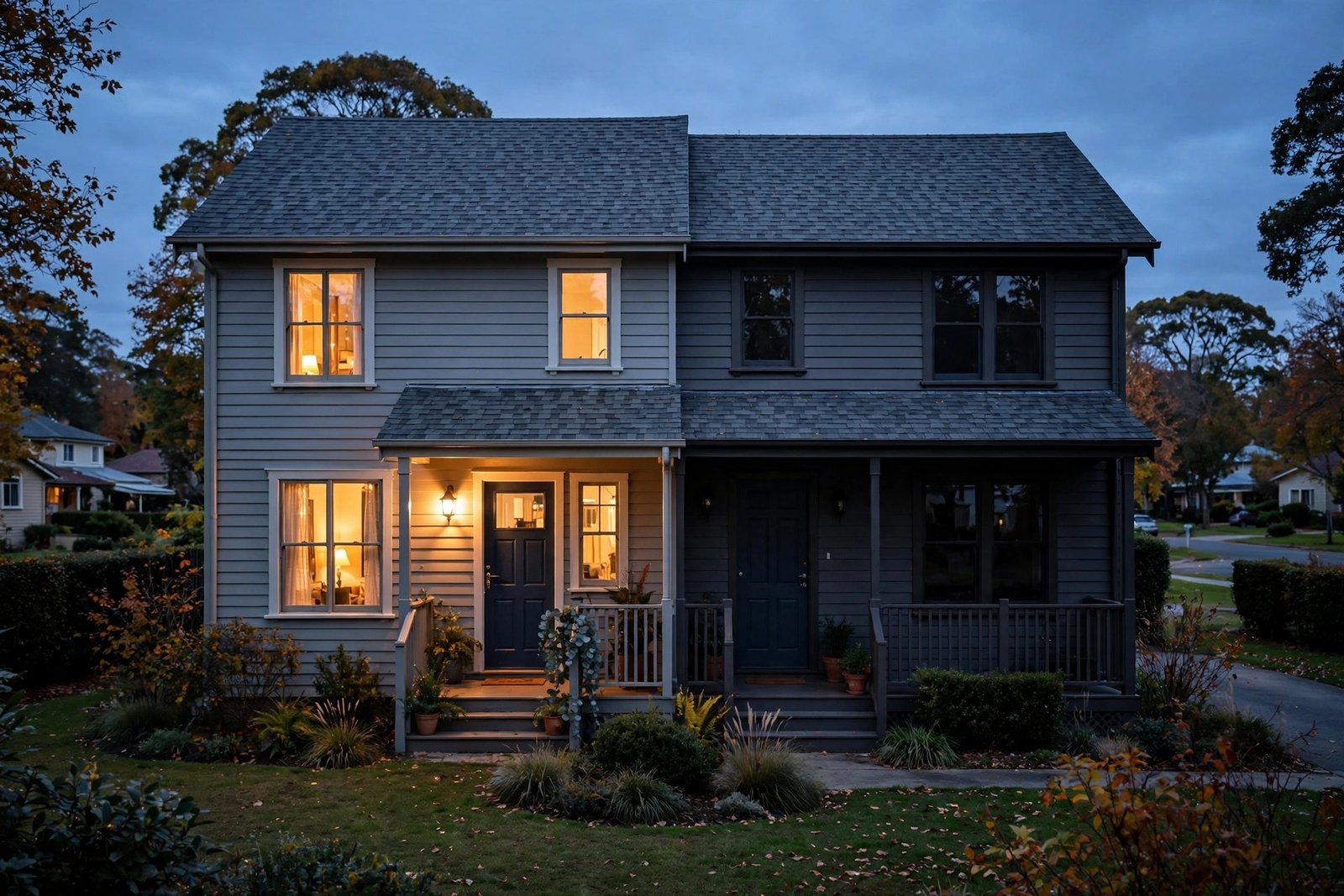
Imagine your tenant paying most of your mortgage while you build equity in a property you also live in. That’s house hacking — the strategy of generating rental income from your own residence to slash (or eliminate) your housing costs. It’s arguably the single most powerful wealth-building move available to beginners: it requires no prior landlord experience, qualifies for owner-occupied financing with tiny down payments, and turns your largest expense into an income-producing asset.
But house hacking is also landlording with no escape — your tenants are your neighbors, midnight maintenance calls happen steps from your bedroom, and the lifestyle trade-offs are real. Here’s how beginners actually start: the models that work, the financing that makes it possible, the math that proves it, and the landlording skills you’ll need from day one.
The House Hacking Models, Ranked by Beginner-Friendliness
1. Small multifamily (duplex/triplex/fourplex): the classic
Buy a 2–4 unit building, live in one unit, rent the others. This is the purest form: separate units mean privacy, residential financing (FHA, conventional) applies to 1–4 unit properties, and rental income from the other units often covers 50–100% of the mortgage. In many markets, a well-bought duplex genuinely delivers near-free housing. The barrier is inventory — small multifamily is scarce in many suburbs — and competition from investors is fierce.
2. Single-family with rentable space: the accessible version
Buy a house with a basement apartment, ADU (accessory dwelling unit), garage conversion, or spare bedrooms for roommates. Lower purchase prices, wider availability, and simpler management than multifamily. The income is smaller — a rented room might cover 20–40% of the mortgage — but so are the complications. Check local ADU regulations and HOA rules before counting on rental income; some jurisdictions restrict them heavily.
3. Live-in flip: the sweat-equity accelerator
Buy a below-market fixer, renovate while living there, sell after two years. The two-year owner-occupancy mark unlocks the Section 121 tax exclusion — up to $250,000 ($500,000 married) in profit tax-free. This isn’t monthly cash flow; it’s forced appreciation harvested tax-free. It pairs naturally with house hacking: rent rooms while renovating, then sell or convert to a full rental.
4. Short-term rental hybrid: the high-effort option
Rent a spare room or unit on Airbnb/VRBO. Income per night exceeds long-term rents, but so do the workload (cleaning, guest communication, vacancies) and regulatory risk — many cities now restrict or ban non-owner-occupied STRs, and even owner-occupied setups face rules. Research local ordinances exhaustively before modeling STR income.
The Financing Advantage: Why House Hacking Beats Pure Investing
Owner-occupied financing is the entire game. FHA loans: 3.5% down on 1–4 unit properties (you must occupy one unit for at least a year). On a $400,000 duplex, that’s $14,000 down versus the $80,000–$100,000 an investor needs for the same building. Conventional loans: 5–15% down for 2–4 units depending on the program. VA loans: 0% down for eligible veterans, including multifamily. Interest rates run 0.5–1% below investor loans.
Lenders count projected rental income: typically 75% of the other units’ market rent offsets your DTI calculation, which means the property partially qualifies itself. Get the lender’s specific rental income policies in writing early — they vary, and the difference determines your price range. And understand the occupancy requirement genuinely: FHA’s one-year rule is enforced, and occupancy fraud (claiming to live there while renting everything) is mortgage fraud with criminal penalties. Live there for real.
The HUD’s FHA program details confirm the 1–4 unit eligibility that makes this strategy possible, and meeting the credit bar is step one — our guide to improving your credit score to qualify for a loan covers the fastest legitimate ways to lift it before you apply.
The Math: Proving a Hack Works Before You Buy
Run the property as a rental first, ignoring your occupancy: total market rent from all units minus all expenses (PITI, insurance, maintenance, CapEx reserves, vacancy, management) = the property’s standalone cash flow. Then calculate your net housing cost: your mortgage payment minus rental income from the other units. The goal is a net housing cost dramatically below what you’d pay renting — ideally near zero or negative (tenants paying you).
Example: $420,000 duplex, FHA 3.5% down ($14,700), 7% rate. Monthly PITI ≈ $3,100. Other unit rents for $1,900. Your net housing cost: $1,200/month — versus $1,900 to rent a comparable apartment, saving $700/month ($8,400/year) while building equity. Add principal paydown (~$400/month initially) and potential appreciation, and the wealth effect compounds fast. But stress-test: what if the unit sits vacant 2 months? What if the furnace dies? Your reserves (aim for 6 months of full PITI) are what separate a hack from a trap.
Tenant Realities: You’re the Landlord Next Door
Screening is everything — a bad tenant next door is infinitely worse than a bad tenant across town. Verify income (3x rent), run credit and background checks with written consent, call previous landlords (not just the current one, who may be eager to offload), and apply criteria uniformly to comply with Fair Housing law. Set professional boundaries from day one: rent is due on the 1st, maintenance requests go through the agreed channel, and friendliness doesn’t mean flexibility on the lease.
Learn your state’s landlord-tenant law before collecting rent: security deposit rules, eviction procedures, habitability standards, notice requirements. Keep separate accounts, document everything in writing, and consider an umbrella policy. The landlording learning curve is steep but invaluable — and when the property needs work, our guide to finding a reliable contractor for home repairs shows how to get honest bids from pros who won’t take advantage of a new landlord.
The Exit: What Happens After Year One
After satisfying the occupancy requirement, your options multiply: stay and enjoy near-free housing indefinitely; move out and convert the property to a full rental (now cash-flowing with residential financing locked in); sell and harvest appreciation; or repeat — buy the next house hack with another owner-occupied loan and keep the first as a rental. The repeat cycle is how portfolios are born: each property’s equity and income qualify you for the next, and within a decade, disciplined hackers own multiple cash-flowing properties bought largely with tenants’ money.
Refinancing plays a role too: as equity builds, refinance to drop PMI or pull cash for the next purchase. The HUD’s single-family housing resources detail the FHA streamline options available once you’ve built equity.
Common Beginner Mistakes
Overestimating rents (verify with actual listings, not seller claims); underestimating expenses (CapEx reserves are the most-skipped line item); buying in war zones for cash flow (cheap properties in rough areas come with management intensity that destroys beginners); ignoring HOA restrictions on rentals; skipping the inspection because “it’s a good deal” (investment properties need inspections more, not less); and underestimating the lifestyle adjustment — sharing walls with tenants isn’t for everyone, and admitting that before buying beats resenting it after.
Conclusion
House hacking works because it stacks advantages no other beginner strategy offers: owner-occupied financing with 3.5% down, rental income offsetting your largest expense, equity building from day one, and a landlording education you can’t buy. Start by choosing the model matching your market and temperament, verify the math as a standalone rental before factoring your occupancy, secure FHA or low-down-payment conventional financing, screen tenants ruthlessly, and keep six months of reserves. Do it once and your housing cost plummets; do it repeatedly and you’ve built a portfolio. The tenants pay the mortgage. You keep the asset. That’s the whole game.
Frequently Asked Questions
Can I house hack with an FHA loan?
Yes — FHA explicitly allows 1–4 unit properties with 3.5% down as long as you occupy one unit as your primary residence for at least one year. This is the most common house hacking financing path.
How much can I save by house hacking?
Well-executed hacks cut net housing costs 50–100% versus renting comparably. Duplexes in balanced markets often reach near-zero net cost; single-family room rentals typically save 20–40% of the mortgage payment.
Do I need landlord experience to house hack?
No — most house hackers start with zero experience. Learn tenant screening basics, your state’s landlord-tenant law, and maintenance triage before your first tenant moves in. The learning curve is the point; it prepares you for larger investments.
What if I can’t find a duplex in my area?
Use the single-family model: rent spare bedrooms, build or convert an ADU (check local regulations), or buy a home with a rentable basement. Room rentals to carefully screened housemates are the most universally available entry point.
Can I house hack more than once?
Yes — after satisfying each loan’s occupancy requirement (typically one year), you can buy your next owner-occupied property and convert the previous one to a full rental. Sequential house hacking is the standard portfolio-building path.