
 By admin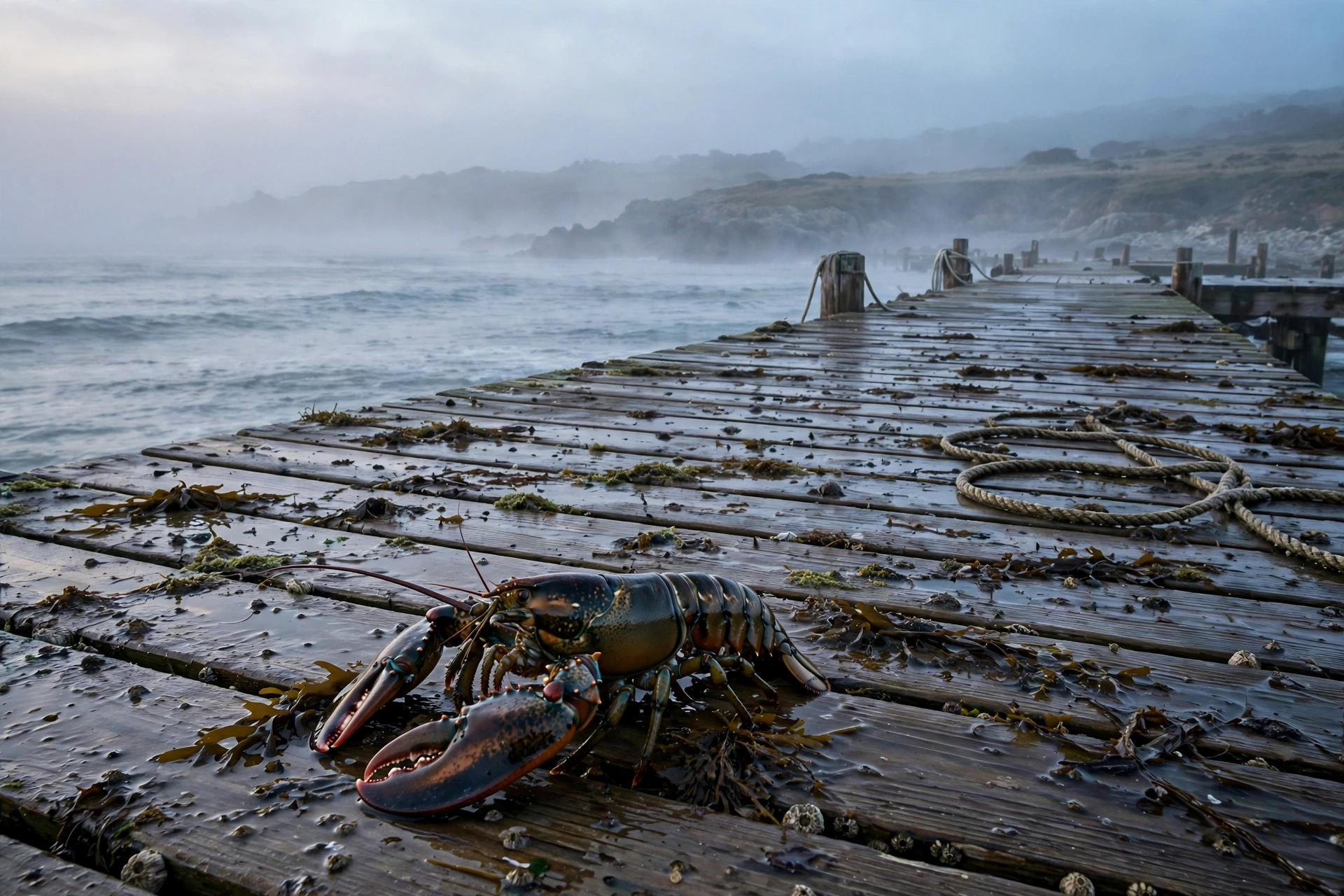
An American lobster can survive out of water for up to 24 to 48 hours when kept cold (34 to 40°F) and damp. Its gills need moisture to pull oxygen from the air, so a chilled, humid environment — such as a container lined with damp seaweed or wet newspaper — is the key to keeping it alive. Spiny lobsters have a much shorter window, usually just a few hours, and any lobster that dies before cooking should be discarded rather than eaten.
If you have ever picked up a live lobster from a fish market or ordered one online and wondered how it survives the trip home, you are not alone. Lobsters look tough on the outside, but they are surprisingly sensitive to temperature, moisture, and handling once they leave the ocean. Understanding how long lobsters can live out of water helps you store them correctly, recognize when one has died, and — most importantly — avoid a serious food safety mistake.
How Lobsters Breathe Out of Water
Lobsters are not like fish. A fish removed from water usually dies within minutes because its gills collapse without the buoyancy of water. Lobster gills work differently. The feathery gills under a lobster’s shell stay functional in air as long as they remain moist, allowing the animal to extract oxygen directly from the atmosphere.
Think of it like a wet paper towel versus a dry one. Moist gills stay open and supple, letting oxygen diffuse through. Dry gills stick together and shut down. This is why every professional seafood handler obsesses over keeping lobsters cold and damp rather than submerged — lobsters do not drown in a shallow bit of water the way people imagine, but stagnant water without oxygen flow will kill them, while cold damp air can keep them alive for a day or two.
Several factors determine how long any individual lobster survives out of water:
- Temperature: This is the biggest factor. At refrigerator temperatures (34 to 40°F), a lobster’s metabolism slows dramatically, reducing its oxygen demand. At room temperature, the same lobster may survive only a few hours.
- Humidity and moisture: Dry air kills gill function fast. Damp packing materials are essential.
- Species: American lobsters (the clawed kind from Maine and Canada) are hardy. Spiny lobsters (warm-water species, no claws) are far more fragile out of water.
- Health and stress: A lobster that was handled roughly, overheated in transit, or is close to molting will die much sooner.
The 24 to 48 Hour Window, Explained
The widely quoted figure of 24 to 48 hours comes from commercial handling conditions: lobsters stored at 34 to 40°F in high humidity, packed in damp seaweed or wet newspaper, and kept undisturbed. Under these conditions, most healthy American lobsters stay alive for a full day, and many make it to two days.
At home, your refrigerator is the closest match. Most US refrigerators run between 35 and 38°F, which is right in the ideal range. In a home fridge, wrapped loosely in damp newspaper or a wet towel and placed in a container that allows some air circulation, a live lobster will typically survive 24 hours without issue, and often up to 36 to 48 hours.
Below is how storage conditions change the survival window for an American lobster:
- Chilled, damp, in the fridge (34–40°F): 24 to 48 hours
- Cool room temperature (60–70°F), damp: 6 to 12 hours
- Warm room (75°F+), or dry conditions: 2 to 6 hours — risk of death rises sharply
- Direct sunlight or heat: under 1 hour
The takeaway is simple: cold and damp are everything. If your lobster arrived from a seafood market or an online shipment (typically $20 to $40 per lobster depending on size and season), get it into the refrigerator as soon as possible.
American Lobster vs Spiny Lobster
Not all lobsters are equal when it comes to surviving out of water. The American lobster (Homarus americanus), the clawed lobster of New England, evolved in cold North Atlantic water and tolerates cold, damp air well. The 24 to 48 hour guideline applies specifically to this species.
Spiny lobsters (Panulirus species), common in Florida, California, and the Caribbean, are warm-water animals. Their metabolism runs faster, and they dehydrate more quickly. Out of water, a spiny lobster typically survives only 2 to 6 hours even with damp packing, and a few hours at most in warm conditions. If you buy spiny lobster tails from a grocery store, they are almost always sold frozen for exactly this reason.
How Fish Markets and Buyers Keep Lobsters Alive
Commercial seafood operations follow a strict routine to keep lobsters alive from the boat to the buyer’s kitchen. You can use the same principles at home.
What to Do
- Keep them cold: Refrigerate at 34 to 40°F immediately. Do not freeze a live lobster — freezing kills it slowly and ruins the texture of the meat.
- Keep them damp: Wrap the lobster loosely in damp newspaper, a wet towel, or seaweed. Re-wet the wrapping if it dries out.
- Give them air: Use a container with ventilation, like a cardboard box or an open-top plastic bin. Never seal a lobster in an airtight bag.
- Keep them calm: Leave the rubber bands on the claws until cooking time. Handle gently and minimize movement.
- Cook as soon as practical: Even under ideal storage, a lobster is freshest and safest when cooked the same day you buy it.
What Never to Do
- Never place a lobster in freshwater. Lobsters are saltwater animals. Fresh water kills them quickly — this is the most common home-storage mistake.
- Never submerge in a sink or bucket of tap water, even salted tap water, unless you have a properly aerated saltwater tank. Stagnant water depletes oxygen within hours.
- Never leave a lobster on the counter at room temperature for longer than it takes to unpack it.
- Never freeze a live lobster. Slow freezing forms ice crystals that destroy the meat, and the lobster suffers.
Dead or Alive: The Tail Curl Test
Before cooking, you must confirm the lobster is alive. A lobster that died hours ago and sat at refrigerator temperature can harbor dangerous bacteria, so this check matters for food safety — not just freshness.
The reliable test is the tail curl: pick the lobster up (support its body, avoid the claws) and straighten its tail out. A live lobster will curl its tail back underneath its body with noticeable force. A dead lobster’s tail stays limp and straight.
Other signs of a live lobster:
- The claws and legs move or twitch when handled
- The antennae wave or show movement
- The body feels firm and heavy, not mushy
- There is no ammonia or rotten-fish smell — fresh lobster smells like clean seawater
If the lobster fails the tail curl test, shows no movement at all, and smells off, discard it. Do not cook it, do not taste it to check, and do not try to salvage it. At $20 to $40 a lobster, throwing one away hurts — but food poisoning from spoiled shellfish hurts far more.
Food Safety: Cook Only Live Lobsters
This is the single most important rule in this entire guide: only cook lobsters that are alive, or that were alive and then properly refrigerated immediately after death with a very short window. In practice, for home cooks, the rule is simpler — if it is not clearly alive at cooking time, throw it out.
Lobsters carry naturally occurring bacteria, including Vibrio species, that multiply rapidly once the animal dies. Because a dead lobster’s immune system stops working, bacterial growth accelerates fast — much faster than in beef or chicken. Cooking kills many bacteria, but it does not destroy the heat-stable toxins some bacteria produce, which is why cooking a long-dead lobster does not make it safe.
Food safety guidelines to follow:
- Buy live, cook live. Confirm the lobster is alive with the tail curl test right before it goes into the pot.
- Cook to a safe internal temperature. Lobster meat should reach 140 to 145°F internally. The shell turns bright red and the meat turns opaque white when done.
- Do not eat lobster that died before cooking unless you personally witnessed it die moments before and refrigerated it immediately — and even then, most food safety experts advise against it.
- Refrigerate leftovers promptly. Cooked lobster meat should be refrigerated within 2 hours (1 hour if the room is above 90°F) and eaten within 3 to 4 days.
- When in doubt, throw it out. A lobster that smells like ammonia, has mushy meat, or was found dead after unknown storage time is never worth the risk.
Symptoms of shellfish food poisoning — nausea, vomiting, diarrhea, and abdominal cramps — can start within hours and occasionally require hospitalization. The $30 lobster is never worth a $3,000 emergency room visit.
Further Reading
- How Long Do Raccoons Live? Complete Answer (2026)
- How Long Do Great Danes Live? Complete Answer (2026)
- How Long Do Boston Terriers Live? Complete Answer
- AKC’s dog breed guide
- American Society for the Prevention of Cruelty to Animals
Frequently Asked Questions
How long can lobsters live out of water in a refrigerator?
An American lobster stored properly in a refrigerator at 34 to 40°F, wrapped in damp newspaper or a wet towel with some air circulation, can live 24 to 48 hours. Check that the wrapping stays damp and confirm the lobster is alive with the tail curl test before cooking. Cook it as soon as you can rather than pushing the full 48 hours.
Can you put a live lobster in a bucket of water to keep it alive?
No — not plain tap water, and not a bucket of still water of any kind. Fresh water kills lobsters, and stagnant salt water runs out of dissolved oxygen within a few hours. Unless you have an aerated saltwater tank (like a fish market’s lobster tank with a bubbler and filtration), cold damp air in the refrigerator is far safer than any bucket.
How do you tell if a lobster is dead before cooking?
Use the tail curl test: straighten the lobster’s tail, and a live lobster will curl it back under its body with force. A dead lobster’s tail stays limp. Also look for leg or antenna movement, a firm body, and a clean seawater smell. If the tail stays straight, nothing moves, and there is an off smell, discard the lobster — do not cook it.
Is it safe to cook a lobster that just died?
Only if you are certain it died within the last few minutes and it goes straight into the pot or the refrigerator — and most food safety experts still recommend discarding it. Bacteria multiply extremely fast in a dead lobster because its immune defenses shut down. If you found the lobster dead, or you do not know exactly when it died, throw it away. Never cook a lobster that died hours ago.
Conclusion
So, how long can lobsters live out of water? For the American lobster, up to 24 to 48 hours under the right conditions: cold (34 to 40°F), damp, and undisturbed. Warm-water spiny lobsters get only a few hours. The survival window depends entirely on temperature and moisture — keep the gills damp and the metabolism slow, and the lobster rides out the trip from ocean to kitchen just fine.
For buyers, the practical rules are short: refrigerate immediately in damp wrapping, never use freshwater, confirm life with the tail curl test, and cook only lobsters that are alive at cooking time. Follow those five rules and you will enjoy fresh, safe lobster every time — and avoid the one mistake that turns a great seafood dinner into a food safety emergency.