
 By admin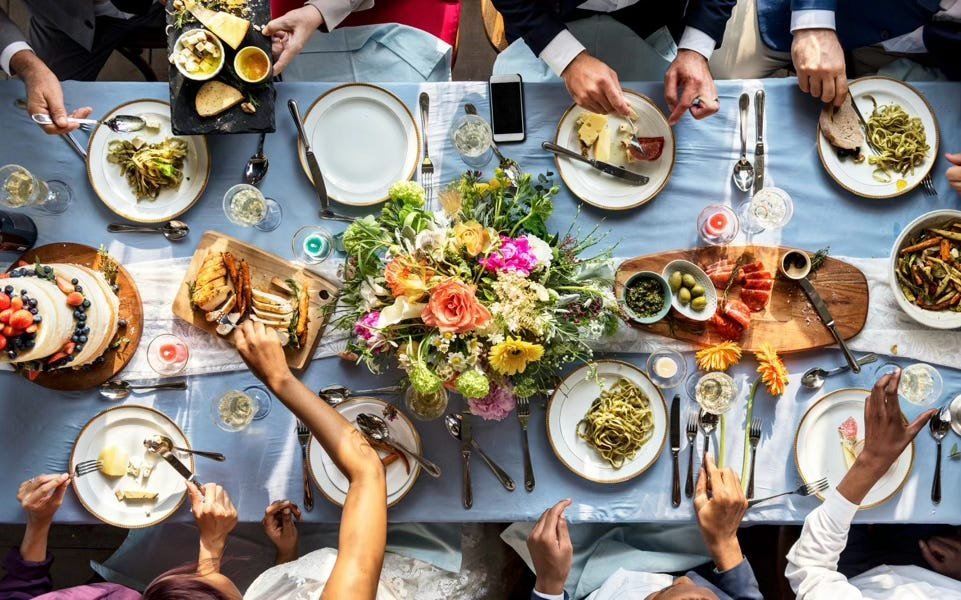
There’s a special kind of joy in hosting people well — and a special kind of anxiety about what it costs. But here’s what experienced hosts know: guests remember warmth, not spending. Nobody has ever left a dinner party thinking “the napkins were clearly from the dollar store.” If you’re wondering how do I host a dinner party on a budget, the formula is simple: one impressive main dish, smart shortcuts everywhere else, and atmosphere that costs almost nothing.
The Budget Host’s Mindset
Set your budget first — $50 to $75 feeds 6-8 people generously. Then allocate ruthlessly: 60% to food, 20% to drinks, 20% to atmosphere. The biggest budget killer is trying to impress across every category. Pick your splurge (usually the main dish or one great dessert) and economize everywhere else with confidence. Constraints breed creativity; some of the best dinner parties I’ve attended were built around a $12 pork shoulder.
How Do I Host a Dinner Party on a Budget? Plan the Menu Strategically
The secret of budget entertaining: choose dishes that scale cheaply and improve with time.
- Mains that feed crowds: braised chicken thighs, pulled pork, baked ziti, chicken tikka masala, chili, lasagna. All cost $2-4 per serving and taste better than fussy alternatives.
- Appetizers: one great dip (homemade hummus, spinach-artichoke) with bread and crudités. That’s it. Or go full budget charcuterie board — it looks lavish for about $15.
- Sides: roasted seasonal vegetables, a big green salad, good bread. Simple, cheap, universally liked.
- Dessert: one showstopper, made ahead. Our three-ingredient desserts include several party-worthy options for pennies per serving.
The potluck option: there’s zero shame in “I’ll make the main, you bring a side.” Most guests are relieved to contribute. Assign categories (salad, dessert, bread) to avoid five potato salads.
Drinks Without the Bar Tab
A full bar is a budget-killer. Instead: one signature batch cocktail or punch (sangria, spiked lemonade), plus beer, wine, and sparkling water. Batch drinks cost a few dollars per guest and feel festive. Asking guests to bring a bottle to share is completely normal — frame it as “bring your favorite wine to share” and it feels collaborative, not cheap.
Atmosphere Costs Almost Nothing
- Lighting: dim the overheads, light every candle you own, add a string of fairy lights. Lighting is 70% of ambiance.
- Music: a premade dinner-party playlist at background volume. Jazz, bossa nova, acoustic — pick one lane.
- Table: a clean tablecloth or runner, cloth napkins (thrifted sets cost $5), and one low centerpiece — grocery store flowers in a jar, or candles grouped together. Keep it low so people can see each other.
- Scent: simmer citrus and herbs before guests arrive, or bake the bread course early. Our flame-free scent ideas keep things welcoming all evening.
The Timeline That Keeps You Calm
- 2 days before: shop, make dessert, prep anything freezable.
- Day before: clean main areas, set the table, prep vegetables, make the punch base.
- Morning of: start the slow-cooked main, tidy up, arrange flowers.
- 2 hours before: shower, dress, light candles, start music, set out appetizers.
- 30 min before: stop working. Pour yourself a drink. You’re a host now, not a caterer.
A Sample $60 Dinner Party for 6
- Pulled pork shoulder + buns ($18)
- Coleslaw and roasted potatoes ($10)
- Hummus, bread, crudites ($10)
- Batch sangria ($12)
- Three-ingredient chocolate mousse ($6)
- Candles/flowers ($4)
Total: about $60, or $10 a head — less than appetizers at a restaurant. And remember food safety with slow-cooked mains: FoodSafety.gov’s guidelines cover safe holding temperatures so your delicious pork doesn’t become a cautionary tale.
Seating and Flow for Small Spaces
No dining room? No problem. Budget hosts get creative:
- The kitchen island party: serve buffet-style from the counter and let people perch on stools. Casual and convivial.
- Living room low table: cushions on the floor around a coffee table, Moroccan-style. Cozy, memorable, and no chairs required.
- Two small tables: better conversation than one long one when space is tight — intimacy beats formality.
- Outdoor: weather permitting, the patio or balcony with string lights beats any dining room.
Rent nothing. Borrow chairs from a neighbor if you’re short — people love being asked; it makes them feel included before they even arrive.
Handling Dietary Restrictions Gracefully
Ask about restrictions on the invite — one line: “Any dietary needs I should know about?” Then build the menu so everyone can eat most of it: a naturally gluten-free and vegetarian main (like a hearty curry or chili), sides that happen to be vegan, labeled dishes. Avoid making the restricted guest’s plate a sad afterthought of plain salad. When in doubt, the build-your-own format (taco bar, baked potato bar, grain bowls) lets everyone assemble a full meal from shared components — and it’s inherently budget-friendly since you’re buying versatile bulk ingredients.
The Morning After (5-Minute Version)
Future-you will thank present-you for one habit: before bed, scrape plates, load the dishwasher, soak the pots, and take out the trash. Fifteen minutes tonight saves an hour of dried-on regret tomorrow. The rest — the deeper clean, the leftover distribution — can wait for morning coffee. Send guests home with leftovers in disposable containers; it’s generous, it clears your fridge, and everyone loves tomorrow’s lunch being handled.
When Something Goes Wrong
It will, eventually. The main dish is dry, a guest cancels last minute, the dessert collapses. Here’s the host’s emergency kit: keep a frozen pizza or good takeout menus as backup, remember that nobody knows what the “plan” was except you (so adapt invisibly), and never apologize excessively — one light “well, that didn’t cooperate!” and move on. Guests take their emotional cues from you. If you’re relaxed about the hiccup, they will be too. Some of the most memorable parties are the ones where things went sideways and everyone laughed about it together.
The Real Secret
Guests don’t remember the menu details. They remember feeling welcomed, unhurried, and among friends. Greet everyone warmly, introduce people with a shared-interest tidbit, and then sit down and enjoy your own party. A relaxed host is the ultimate luxury — and it’s free.