
 By admin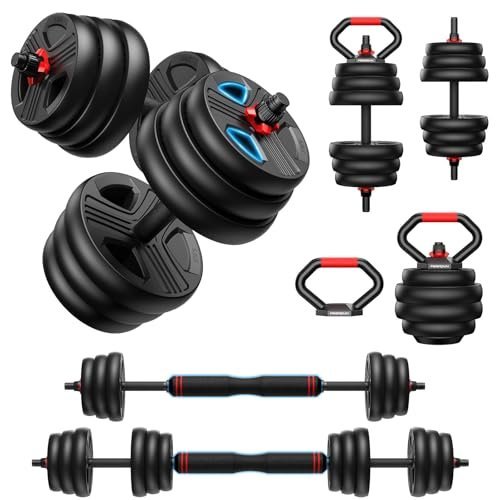
Everyone’s motivated on January 2nd. By February, the dumbbells are a clothes rack. The problem isn’t you — it’s relying on motivation, which is a feeling, instead of systems, which work regardless of feelings. If you’re asking how can I stay motivated to exercise at home, stop trying to feel like working out. Build a setup where working out is simply what happens next.
Why Home Workouts Die (And Gym Ones Survive)
Gyms work because of friction design: you drove there, you’re dressed for it, everyone around you is exercising. Home has the opposite design — the couch is right there, nobody’s watching, and “later” is always available. So your job is to rebuild the gym’s structural advantages at home: dedicated space, scheduled time, and social accountability. Motivation follows action far more often than action follows motivation.
How Can I Stay Motivated to Exercise at Home? Build the System
- 1. Schedule it like a meeting. “Exercise 3x/week” fails; “Mon/Wed/Fri 7:00-7:30” works. Put it on the calendar with an alarm.
- 2. The 5-minute rule. Commit to just 5 minutes. You’ll continue 90% of the time — starting is the whole battle.
- 3. Lay out everything the night before. Clothes, shoes, water bottle, workout queued up. Morning-you makes no decisions; morning-you just starts.
- 4. Habit-stack it. Attach exercise to an existing routine: right after morning coffee, right before the shower, during the kids’ nap. Anchored habits stick.
- 5. Track visibly. A wall calendar with big X’s, a whiteboard tally, an app streak — visible progress is powerfully motivating. Don’t break the chain.
- 6. Follow a program, not whims. Random workouts stall; progressive programs build. Free options: Nike Training Club, Darebee, YouTube channels with structured series. Pick one and finish it.
Make Your Space Work for You
You don’t need a home gym — you need a spot. Clear a 6×6-foot area, keep a mat rolled out or leaning visibly against the wall, and store your minimal gear (dumbbells, resistance bands, jump rope — under $75 total) where you see it. Visible gear is a daily invitation; gear in the closet is a daily excuse. If space is truly tight, bodyweight-only routines need nothing but floor. Pair your workout corner with decent lighting and music — environment shapes effort more than willpower ever will.
Exercise doesn’t live in a vacuum — it competes with everything else in your day. That’s why the system works best paired with broader life systems: anchor workouts to a consistent evening routine so they survive busy seasons, and if the deeper issue is time itself, our guide to balancing work and family life helps you find the hours honestly instead of stealing them from sleep.
Find Your Accountability
- 7. A workout buddy (remote counts). Text each other “done” with a sweaty selfie. Social pressure is the strongest motivator known.
- 8. Bet on yourself. Apps like StickK let you put money on the line — miss workouts, lose cash to a charity (or anti-charity, if you’re brave).
- 9. Join a challenge. 30-day challenges with friends, online communities, or workplace groups add structure and camaraderie.
- 10. Tell people. Announcing “I’m doing a 30-day workout streak” creates gentle public accountability. Post updates; let the likes fuel you.
Work With Your Energy, Not Against It
- 11. Match workouts to energy. High-energy days: intense sessions. Low days: yoga, walking, mobility. Something always beats nothing — protect the streak over the intensity.
- 12. The “never miss twice” rule. Miss Monday? Fine. Tuesday is non-negotiable. One missed day is life; two is the start of quitting.
And keep perspective on what counts: the CDC’s physical activity guidelines call for 150 minutes of moderate activity weekly — that’s five 30-minute sessions, and brisk walking absolutely counts. You’re closer than you think.
When You Fall Off (You Will)
Let’s normalize it: you will miss workouts. You’ll miss a week. Maybe a month. The difference between people who exercise for years and people who quit isn’t consistency — it’s recovery speed. Here’s the restart protocol:
- Don’t “make up” missed workouts. Just do today’s. Backfilling creates a debt that feels overwhelming and triggers full abandonment.
- Shrink the restart. Coming back after a month? Do the easiest possible session — a 10-minute walk counts. Rebuild the habit before rebuilding intensity.
- Interrogate the break kindly. What actually stopped you — schedule change, boredom, injury, life chaos? Fix the cause, not just the symptom. Bored? New program. Schedule? New time slot. Injured? Different modality.
- Separate identity from streaks. “I missed two weeks” is data; “I’m not an exerciser” is a story. You’re someone who exercises and had a busy fortnight. The story determines whether you restart.
The research on habit formation is encouraging here: missing single instances doesn’t meaningfully damage habits. What damages them is the all-or-nothing thinking that turns one missed day into a abandoned year. Expect interruptions, plan restarts, and keep the lifetime batting average in view — that’s what actually shapes your health.
Track More Than the Scale
The scale is the worst motivator — it fluctuates daily for reasons unrelated to your effort. Track inputs and non-scale wins instead: workouts completed this month, energy levels, sleep quality, how your clothes fit, strength gains (that push-up count climbing). Keep a simple log: date, what you did, how you felt after. On the inevitable low-motivation day, reading back through eight weeks of “felt great after” entries is more convincing than any pep talk. Progress photos monthly (same lighting, same clothes) reveal changes the mirror hides day to day.
No-Equipment Starter Week
- Day 1: 20-min bodyweight circuit (squats, push-ups, lunges, plank — 40 sec on, 20 off, 3 rounds)
- Day 2: 30-min brisk walk
- Day 3: rest or gentle yoga video
- Day 4: repeat Day 1 circuit, one extra round
- Day 5: 30-min walk with hills or stairs
- Day 6-7: rest, stretch, plan next week
Start embarrassingly small, progress gradually, and let the systems carry you on the days motivation doesn’t show up. If mornings are your window, our morning routine guide shows how to fit exercise into even chaotic AMs. Six months from now, you won’t remember the days you didn’t feel like it — you’ll just be someone who works out.
One last thought: the goal was never perfection. It’s showing up often enough, for long enough, that exercise becomes part of who you are — not something you do, but someone you are. Start tonight: lay out the clothes, queue the workout, and let tomorrow-morning-you simply begin.