
 By admin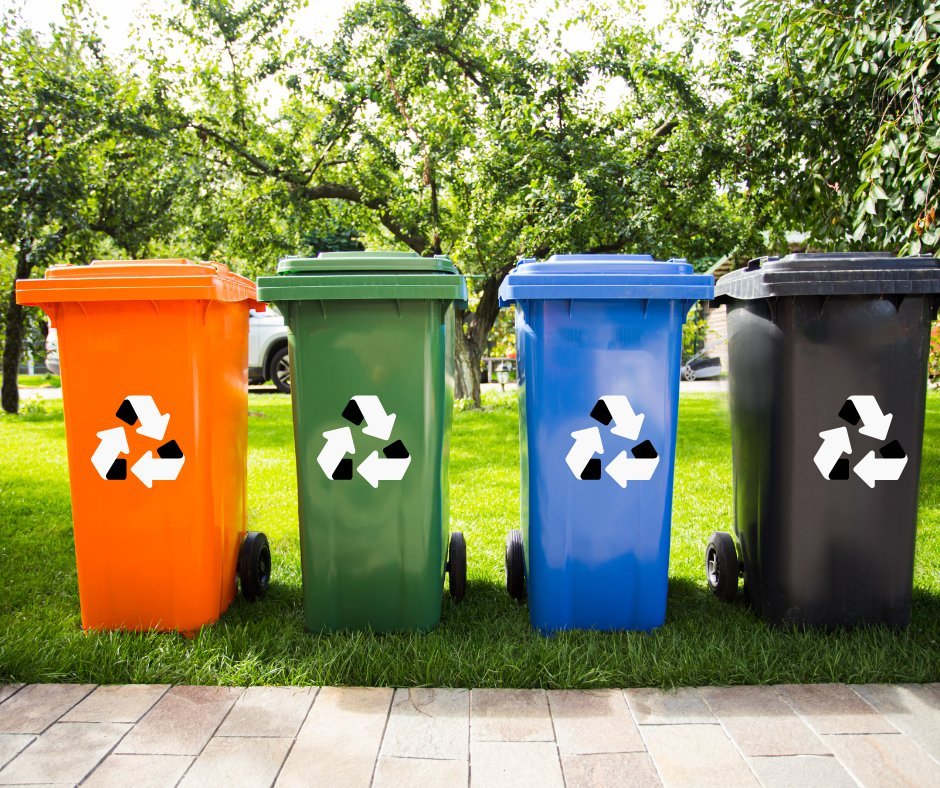
Eco-friendly living has an image problem — it looks expensive, inconvenient, and preachy. But the highest-impact changes are mostly about wasting less, which also happens to save money. If you’re wondering what are easy ways to be more eco friendly at home, start here: 25 genuinely easy swaps, roughly ordered from “do today” to “weekend project.”
What Are Easy Ways to Be More Eco Friendly at Home? Start With Waste
- 1. Recycle right. Most recycling fails from “wishcycling” — tossing in non-recyclables that contaminate the batch. Check your city’s actual rules (they vary wildly) and rinse containers. The EPA’s recycling guide covers the national basics.
- 2. Compost food scraps. A countertop bin or backyard pile diverts roughly a third of household waste from landfills. Even apartment dwellers can use a small bokashi or worm bin.
- 3. Ditch single-use bags, bottles, and cups. Keep reusables where you’ll actually grab them — bags by the door, a water bottle in your work bag, a coffee cup in the car.
- 4. Buy less packaging. Choose the loose produce, the cardboard over the plastic clamshell, the refillable cleaning products. Packaging is often half of what you throw away.
- 5. Donate instead of dumping. Furniture, clothes, and housewares get second lives through donation — and decluttering sustainably feels better anyway. Our decluttering guide covers donation logistics.
Cut Energy Without Noticing
- 6. Switch to LEDs. If you haven’t yet, this is the single easiest energy win — LEDs use about 75% less energy than incandescents. The Department of Energy’s lighting guide has the details.
- 7. Slay the energy vampires. Devices on standby — TVs, game consoles, chargers — sip power 24/7. A couple of power strips you flip off at night ends it.
- 8. Adjust the thermostat 2 degrees. Two degrees cooler in winter, two warmer in summer. You won’t feel it; your bill will show it.
- 9. Wash cold, line-dry when you can. Modern detergents clean fine in cold water, and dryers are energy hogs. Even partial line-drying helps.
- 10. Seal the leaks. Weatherstripping doors and caulking windows is a $30 weekend project that cuts heating and cooling waste dramatically.
Save Water Too
- 11. Fix the drips. A faucet dripping once per second wastes thousands of gallons a year. Most fixes are a $5 washer and 20 minutes — our leaky faucet fix guide walks through it.
- 12. Shorter showers. Cutting two minutes saves roughly 1,500 gallons per person yearly. A $10 shower timer makes it a game for kids.
- 13. Full loads only. Dishwasher and washing machine both — half loads waste water and energy alike.
- 14. Water plants smart. Morning watering, mulch to retain moisture, and a rain barrel if you have gutters. Your garden will thank you — see our beginner’s gardening guide for water-wise basics.
Change What You Buy
- 15. Buy secondhand first. Furniture, clothes, kids’ gear — the greenest product is the one already made. Thrift stores and marketplace apps make this easy and cheap.
- 16. Choose concentrates and refills. Cleaning concentrates, refillable soap, and laundry strips cut plastic dramatically.
- 17. Eat more plants. You don’t need to go vegetarian — a few meatless dinners weekly meaningfully shrinks your food footprint. Beans, lentils, and seasonal produce are also the cheapest groceries.
- 18. Buy quality over quantity. One $60 pan that lasts decades beats five $15 pans in a landfill. This applies to clothes, tools, everything.
- 19. Borrow and share. Power tools, party supplies, specialty kitchen gear — things used twice a year are perfect for borrowing. Tool libraries exist in many cities.
Eco-Friendly Cleaning Swaps
Under your sink is a surprising source of plastic waste and harsh chemicals. The swaps are easy:
- All-purpose cleaner: white vinegar + water + a squeeze of dish soap handles most surfaces. Add lemon peel for scent.
- Laundry: cold water, full loads, and wool dryer balls instead of disposable sheets. Detergent strips eliminate the giant plastic jug.
- Dish soap: refill stations (increasingly common at co-ops and zero-waste stores) or concentrated refills.
- Paper towels: switch mostly to washable cloths; keep one roll for the truly gross jobs. A family can cut paper towel use 80% without noticing.
- Sponges: compostable cellulose sponges or silicone scrubbers that last years instead of weeks.
These also feed straight into savings — homemade cleaners cost pennies, and ditching disposables stops the constant repurchasing. Green and cheap are the same decision here, which is exactly why these swaps stick.
Get the Kids Involved
Eco habits land best when they’re family culture, not lectures. Give kids ownership: they’re in charge of the recycling station, the compost bin, or the “lights off” patrol. Make it a game — who can find the most energy vampires with a Kill-A-Watt meter, or which week produces the least trash. Kids who grow up sorting recycling and refilling bottles don’t think of it as sacrifice; it’s just how homes work. And those habits compound across a lifetime in ways no single adult’s efforts can match.
The Bigger Weekend Projects
- 20. Start a garden. Even herbs on a windowsill cut packaging and food miles for the highest-markup produce.
- 21. Switch to green power. Many utilities offer renewable energy plans for a few dollars more monthly — or sometimes less.
- 22. Insulate the water heater. A $25 insulation blanket cuts standby heat loss significantly.
- 23. Plant a tree. Strategically placed shade trees cut summer cooling costs for decades. Native species need the least care.
- 24. Audit your home energy. Many utilities offer free or cheap home energy audits that pinpoint your biggest waste.
- 25. Talk about it normally. The most underrated eco action: making this stuff normal. Mention the LED swap, the compost bin, the thrifted furniture casually. Behavior spreads through social proof faster than lectures.
You don’t need all 25. Pick three from the “do today” tier and three from “this month.” Small, sustained changes beat ambitious overhauls that collapse by February — for the planet and for your sanity.