
 By admin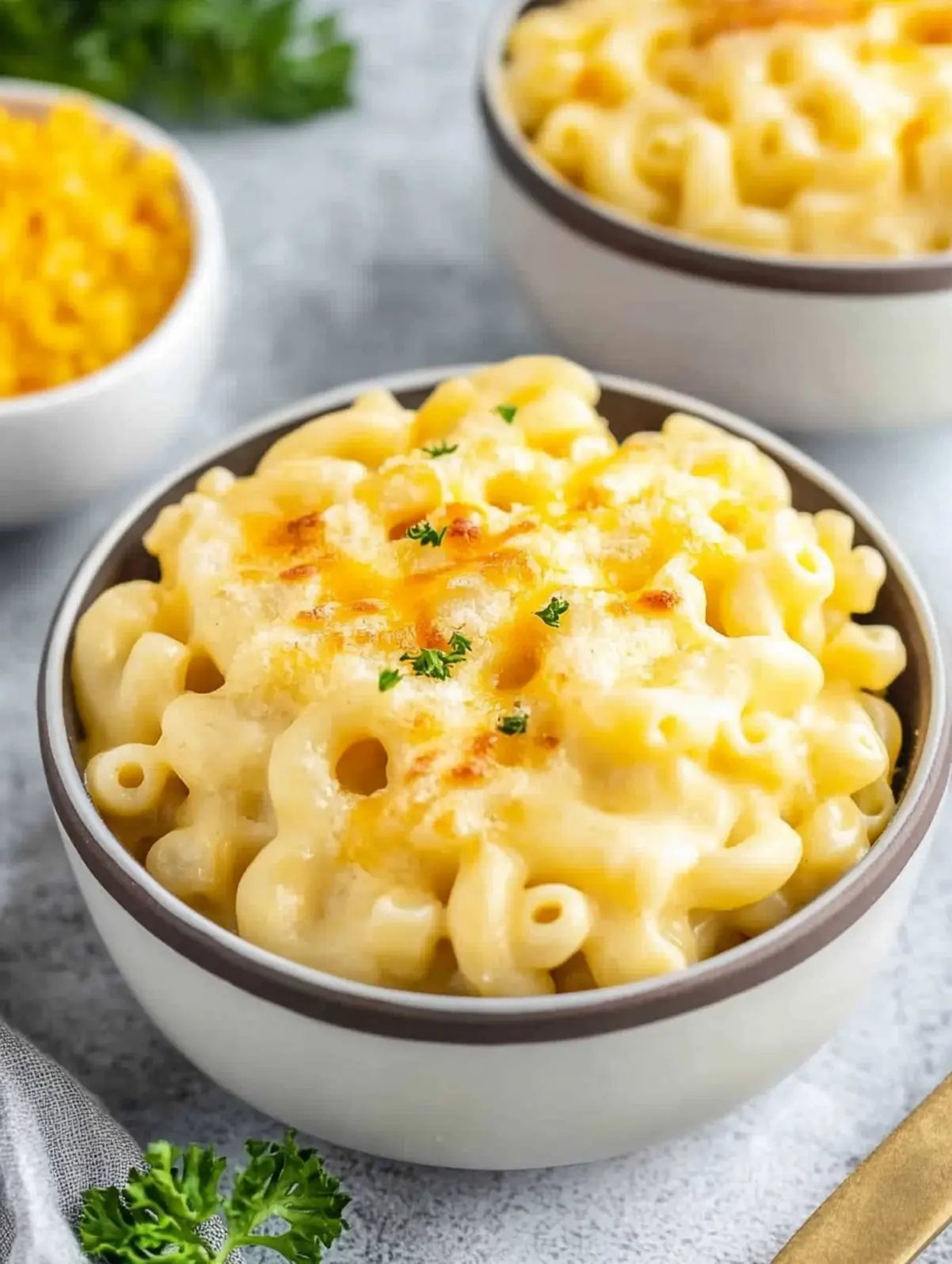
Boxed mac and cheese has its place. But homemade mac and cheese should be transcendent — luxuriously creamy, with a cheese sauce that coats every noodle instead of breaking into a greasy, grainy mess. If your homemade version keeps turning out gritty or oily, it’s not your fault. Creamy mac and cheese comes down to specific techniques that nobody puts on the recipe card. Here they are.
Why Mac and Cheese Goes Wrong
Two failure modes, both common:
- Grainy/gritty sauce: the cheese proteins seized and curdled — usually from heat that’s too high or cheese added too fast.
- Greasy/broken sauce: the fat separated from the emulsion — usually from overheating or using cheese with anti-caking additives.
Both are preventable. Here’s how.
How to Make Mac and Cheese Creamier: The Techniques
1. Make a proper roux-based béchamel
The foundation of creamy mac and cheese is a béchamel — butter + flour + milk — not just melted cheese dumped on noodles. Melt 4 tbsp butter, whisk in ¼ cup flour, cook 1–2 minutes (don’t brown it), then whisk in 3 cups warm milk gradually. Simmer until it coats a spoon. This starch-thickened base is what keeps the sauce stable and creamy instead of breaking.
2. Take it OFF the heat before adding cheese
This is the #1 technique. Remove the sauce from the burner entirely, then stir in the cheese. Cheese melts perfectly in residual heat; direct heat makes it seize and go grainy. If the sauce needs more heat to melt the last bits, return it to the lowest possible heat briefly — never a boil.
3. Shred your own cheese
Pre-shredded cheese is coated with cellulose and potato starch to prevent clumping — and those anti-caking agents make sauces grainy. Buy blocks and shred by hand (or pulse in a food processor). It takes 3 minutes and transforms the texture. This single change fixes more mac and cheese than any other.
4. Choose the right cheeses
- The melters (base): sharp cheddar (the classic), Gruyère (nutty, superb melt), fontina (silky), American cheese (yes, really — its emulsifying salts guarantee creaminess; 2–3 slices in any recipe is the pro secret).
- The flavor boosters ( accents): Parmesan, smoked Gouda, blue cheese (small amounts), pepper jack.
- Avoid as the main cheese: pre-shredded anything, very aged/hard cheeses alone (they don’t melt smoothly), and low-fat cheese (less fat = worse melt).
5. Add the cheese gradually
A handful at a time, stirring until melted before adding more. Dumping it all at once drops the sauce temperature and encourages clumping.
6. Use evaporated milk for insurance
Replacing some or all of the milk with evaporated milk makes the sauce nearly foolproof — its concentrated proteins stabilize the emulsion beautifully. Many competition-level mac and cheese recipes rely on this. No one will know; they’ll just wonder why yours is so creamy.
7. A teaspoon of mustard + a dash of hot sauce
Not enough to taste — just enough to sharpen the cheese flavor. Dijon or dry mustard powder both work. This is the “what IS that delicious background note?” secret.
The Recipe (Stovetop, 25 Minutes)
- Cook 1 lb elbow macaroni 1 minute shy of package directions — it finishes in the sauce. Reserve 1 cup pasta water.
- Make the béchamel: 4 tbsp butter + ¼ cup flour, then 3 cups warm milk (or 2 cups milk + 1 cup evaporated milk). Simmer until thick enough to coat a spoon.
- Off the heat. Stir in 1 tsp Dijon, a dash of hot sauce, salt, and pepper.
- Add 3 cups hand-shredded sharp cheddar + 1 cup Gruyère (or your blend), a handful at a time, stirring until smooth.
- Fold in the pasta. If too thick, loosen with reserved pasta water a splash at a time.
- Serve immediately — or top with buttered breadcrumbs and broil 3–4 minutes for a baked version.
Baked vs. Stovetop
Stovetop = creamiest, fastest, most reliable. Baked = crispy top, firmer texture, better for crowds (holds well). For baked: undercook the pasta by 2 minutes, make the sauce slightly thinner than you think (it thickens in the oven), and don’t overbake — 20–25 minutes at 375°F is plenty.
Reheating Without Ruining It
Mac and cheese seizes when reheated aggressively. Add a splash of milk, cover, and warm gently — stovetop on low with stirring, or microwave at 50% power in intervals. It won’t be quite as perfect as fresh, but it’ll be close.
Creamy mac and cheese is also a hero in the picky-eater dinner lineup — it’s the rare dish that pleases toddlers and adults simultaneously.
Make-Ahead and Freezer Tips
- Make-ahead (1–2 days): prepare through the sauce + pasta combination, but undercook the pasta by 2 full minutes. Cool, cover, refrigerate. To serve: add a splash of milk, warm gently on the stove, stirring — the pasta finishes cooking as it reheats. Tastes freshly made.
- Freezing: mac and cheese freezes well for 2–3 months. Portion into freezer-safe containers, cool completely first, leave headspace. The sauce may look slightly grainy when thawed — a splash of milk and gentle reheating restores creaminess.
- Thawing: overnight in the fridge, never on the counter. Reheat covered at 350°F for 20–25 minutes (large portions) or gently on the stovetop with milk.
- Baked version make-ahead: assemble in the baking dish, top with breadcrumbs, cover tightly, refrigerate up to 2 days. Add 10–15 minutes to the bake time when cooking from cold.
- What doesn’t work: freezing the breadcrumb topping separately is fine, but don’t freeze an already-baked crispy top expecting it to stay crispy — re-crisp under the broiler for 3–4 minutes after reheating.
- Portion wisdom: freeze in single-serving containers, not one giant block. Future you wants to grab one lunch, not defrost a casserole.
A freezer stash of mac and cheese is the ultimate comfort-food insurance — bad day, sick kid, unexpected guests — and it reheats better than almost any other frozen homemade meal.
Mac and cheese is a hero in the easy dinners for picky eaters lineup — and USDA’s MyPlate shows how it fits into balanced weekly meal planning.
The Bottom Line
How to make mac and cheese creamier: build a roux-based béchamel, take it off the heat before adding cheese, shred your own cheese (never pre-shredded), add cheese gradually, and consider evaporated milk plus a couple slices of American cheese as emulsion insurance. Follow those rules and you’ll never serve grainy, greasy mac and cheese again. Comfort food should comfort — and now it will.
[…] brick again. And if you want to put your perfectly separated noodles to great use, try them in a creamier homemade mac and cheese or check safe cooking guidance from the U.S. government’s FoodSafety.gov for handling […]