
 By admin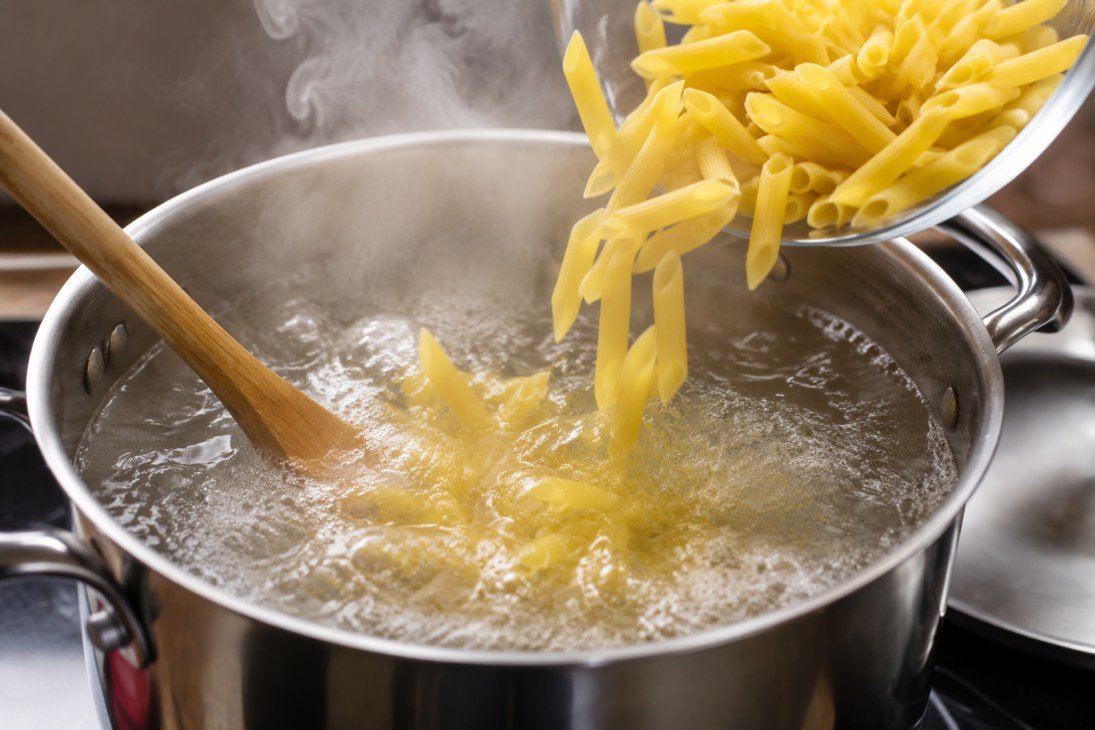
Nothing ruins a pasta night faster than dumping a beautiful pot of spaghetti into the colander and watching it fuse into one giant, gummy brick. I’ve been there — standing over the sink, tongs in hand, trying to pry apart strands that have decided they’d rather be a single loaf than individual noodles. The good news? Pasta sticking together is almost always preventable, and the fixes are simple once you understand what’s actually happening in the pot.
Pasta sticks because of starch. As dried pasta cooks, it releases starches into the water, and those starches act like glue on the surface of every noodle. When the noodles sit against each other — in the pot, in the colander, on the plate — that surface starch bonds them together. Everything I’m about to tell you is just a different way of managing that starch.
Why Your Pasta Keeps Sticking Together
The most common culprit is too little water. Most home cooks dramatically under-fill the pot. The rule of thumb is about 4 to 6 quarts of water per pound of pasta — that’s a big stockpot filled nearly to the top. With plenty of water, the noodles have room to move, the starch gets diluted, and nothing sits pressed against anything else long enough to bond. If you’re cooking a full pound in a medium saucepan, you’re basically making pasta glue.
The second culprit is not stirring enough at the start. The first two or three minutes of cooking are when the pasta surface is stickiest. Stir right after you drop the noodles in, then again a minute later. After that, an occasional stir is plenty. I set a timer habit: stir at 0, 1, and 3 minutes, then leave it alone.
The Right Way to Boil Pasta So It Never Clumps
Here’s the method I use every single time, and it hasn’t failed me in years:
- Use a big pot with lots of water. Fill it at least three-quarters full and bring it to a rolling boil before the pasta goes in. Cold or barely simmering water is a sticking guarantee.
- Salt the water generously. It should taste like the sea — roughly 1 tablespoon of kosher salt per 4 quarts of water. Salt doesn’t stop sticking directly, but properly seasoned pasta needs less handling and fussing afterward.
- Add the pasta all at once and stir immediately. Don’t drizzle it in gradually. Get it all in, give it a good stir, and break up any pieces clinging to the bottom.
- Keep the water at a boil. A vigorous boil keeps the noodles tumbling and separated. If the boil dies when the pasta goes in, that’s normal — just wait for it to come back and stir once more.
- Don’t add oil to the water. This is the myth that won’t die. Oil floats on top of the water and does nothing while the pasta cooks underwater. Worse, an oily film on your noodles will stop sauce from clinging later. Save the oil for finishing.
What to Do After Draining
The colander is where most sticking disasters actually happen. People drain the pasta and then leave it sitting while they finish the sauce. Five minutes of sitting in a colander will undo all your good boiling work. The fix is timing: have your sauce hot and ready before the pasta finishes, and transfer the noodles straight into the sauce within a minute of draining.
If you absolutely must hold the pasta — say dinner’s delayed — toss it with a tablespoon or two of olive oil or a ladle of sauce right after draining. The oil coats the noodles and physically blocks the starch from bonding. This is the one moment when oil on pasta actually earns its keep.
And here’s a trick the Italians swear by: never rinse your pasta (unless you’re making a cold pasta salad). Rinsing washes off the surface starch, which sounds good for sticking, but that same starch is what helps sauce cling to every strand. Rinsed pasta slides right off its sauce. Instead, use a splash of the starchy pasta water in your sauce — it emulsifies everything into a silky coating. If you’re making a homemade pasta sauce from canned tomatoes, that starchy water is the secret ingredient that makes it taste like a restaurant dish.
Special Cases: Long Noodles, Fresh Pasta, and Pasta Salad
Long noodles like spaghetti and fettuccine are the worst offenders because they tangle. Fan them out as you drop them in — hold the bundle vertically, let the bottoms hit the water, and let them soften and fold over. A quick stir with tongs separates them before they can knot up.
Fresh pasta is a different animal. It’s softer, stickier, and cooks in 2 to 4 minutes. Dust it lightly with semolina or flour before it hits the water, use even more water than usual, and don’t walk away — fresh pasta goes from perfect to mush fast.
For cold pasta salad, the rules flip: rinse it. Here you want to stop the cooking and wash off excess starch so the salad doesn’t turn gummy in the fridge. Rinse under cold water, drain well, and toss with dressing while it’s still slightly damp so the flavors soak in.
One More Trick: The Cold-Water Finish for Meal Prep
If you’re cooking pasta for meal prep — say, for a week of packed lunches — the sticking problem gets worse in the fridge, where cold starch firms up into an even stronger glue. The fix is to slightly undercook the pasta by about a minute, drain it, and toss it immediately with your sauce or a teaspoon of olive oil per serving before it cools. Portion it into containers while it’s still warm, and the sauce will protect every strand. When you reheat, add a tablespoon of water to the container before microwaving — the steam loosens everything back up. This is the same principle behind good lunch ideas you can pack for work: a little sauce or oil now saves you from a solid pasta block at noon.
Practical Takeaway
Stop pasta from sticking together with three habits: a huge pot of well-salted, rolling-boiling water; stirring in the first three minutes; and moving the drained pasta straight into hot sauce. Skip the oil in the cooking water — it’s useless there — and never rinse hot pasta you’re serving with sauce. Get those right and you’ll never wrestle a pasta brick again. And if you want to put your perfectly separated noodles to great use, try them in a creamier homemade mac and cheese or check safe cooking guidance from the U.S. government’s FoodSafety.gov for handling leftovers afterward.