
 By admin
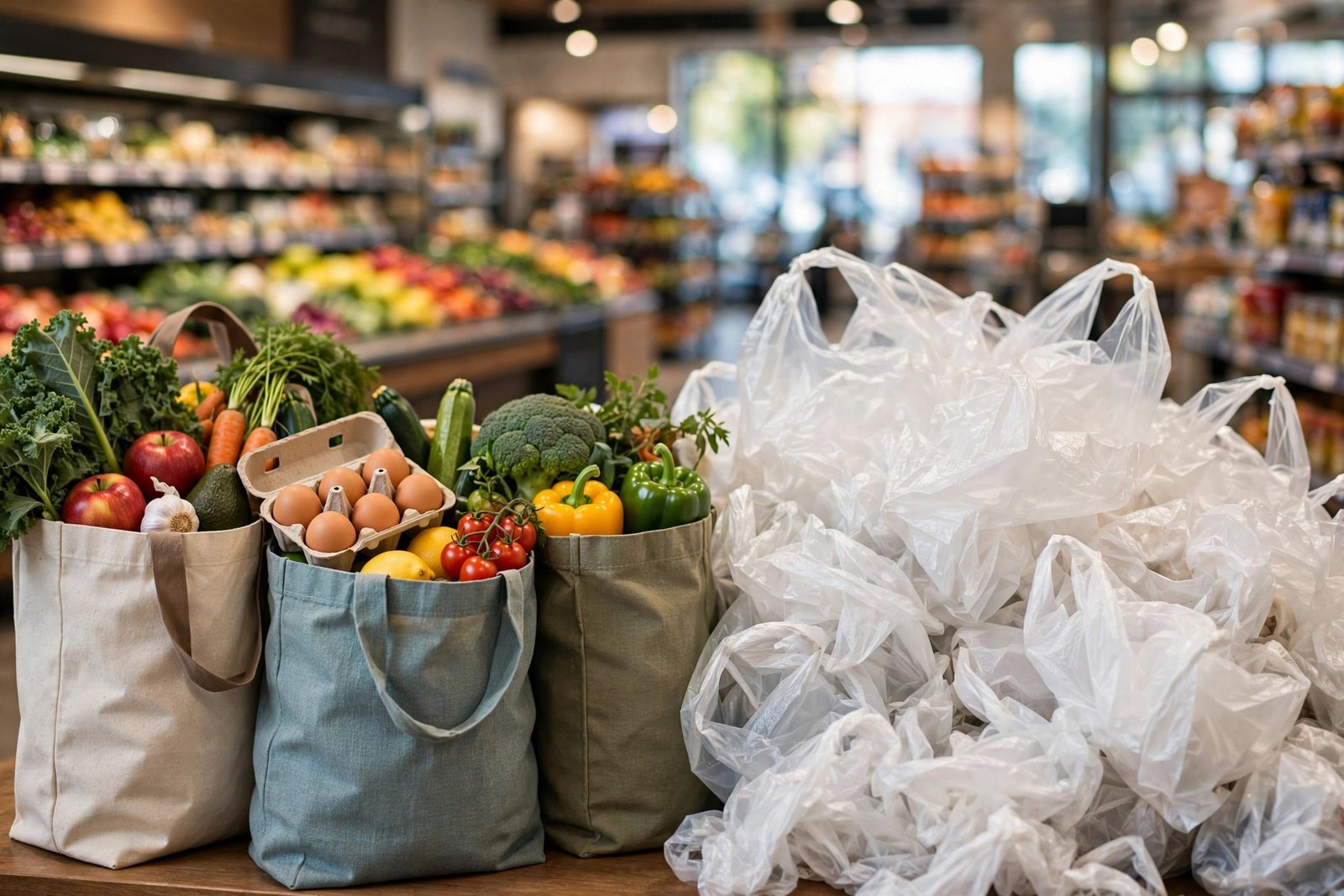
Reusable bags have become a moral symbol — the canvas tote is practically a uniform. But are they actually better than single-use plastic bags, or have we just traded one environmental problem for a trendier one? The honest answer is more interesting than either side admits: reusable bags win decisively, but only if you actually reuse them enough times. And “enough” depends entirely on what the bag is made of.
This is one of the most misunderstood calculations in everyday environmentalism. A widely cited Danish EPA lifecycle study found that a thin plastic bag needs to be reused once to beat a single-use one, while a cotton tote needs to be used over 7,000 times to offset its production impact. Headlines ran with the shocking number — but the fine print tells a completely different story. Let us do the math properly.
The Lifecycle Math Nobody Explains
Every bag has an environmental cost to manufacture: raw materials, water, energy, and emissions. Single-use plastic bags are cheap to make but used for an average of 12 minutes before disposal. A conventional cotton tote requires vastly more resources upfront — growing cotton is water- and pesticide-intensive — which is why its “break-even” number looks so alarming.
But break-even is not the whole story. The Danish study measured multiple impact categories, and the ranking shifts depending on which you prioritize. For climate impact specifically, a sturdy reusable bag breaks even far sooner than the headline 7,000 figure suggests. More importantly, the calculation assumes you treat the tote as disposable after hitting the number — in reality, a quality bag lasts for years and thousands of trips. The bags that fail the math are the free promotional cotton totes collected by the dozen and never used. One well-made bag used weekly for five years (260+ uses) beats single-use plastic on nearly every metric that matters. For a broader look at which household swaps actually move the needle, see our guide to easy eco-friendly habits at home.
Plastic’s Hidden Costs Beyond Carbon
Lifecycle studies focused on carbon miss plastic’s worst trait: it does not go away. Plastic bags photodegrade into microplastics that now show up in drinking water, seafood, and even human blood. They jam recycling machinery, litter waterways, and kill an estimated hundreds of thousands of marine animals annually through ingestion and entanglement — pollution documented in the NRDC’s single-use plastics overview.
A cotton tote’s production footprint is real and worth acknowledging — conventional cotton farming is genuinely resource-heavy. But at end of life, cotton biodegrades. Plastic persists for centuries. When you compare a bag you will use 500 times against 500 single-use bags, the reusable option wins on waste volume, ocean pollution, and litter by orders of magnitude, even before the carbon math fully breaks even. This is why environmental economists distinguish between production impact (where cotton looks bad) and pollution impact (where plastic is catastrophic).
What the Bag Is Made Of Matters Enormously
Not all reusables are equal. Here is how common options stack up:
Recycled PET (rPET) bags — made from recycled plastic bottles — have the lowest production footprint of any reusable option and break even within a handful of uses. They are light, packable, and genuinely the eco-sweet-spot most experts recommend.
Polypropylene “bags for life” — the sturdy woven-plastic totes sold at grocery checkouts — need roughly 10-20 uses to beat single-use on climate. Achievable within months of normal grocery shopping.
Conventional cotton totes — the worst production footprint per bag, needing hundreds of uses to break even on water and land use. Only buy these if you will genuinely use them for years.
Organic cotton or hemp — better farming footprint than conventional cotton, similar durability. Hemp in particular grows with minimal water and pesticides.
The practical takeaway: the greenest bag is the one already in your closet. Buying a new “eco” tote every month defeats the purpose entirely — which connects to the consumption patterns behind fast fashion’s environmental damage, where the production treadmill matters more than any single item.
The Real Problem: Tote Accumulation
Here is the irony the headlines missed: the average eco-conscious household now owns 10-20 reusable bags while using 2-3. Conference swag, promotional giveaways, and impulse “cute tote” purchases have created a new waste stream — bags manufactured, shipped, and then stuffed in a closet. A cotton tote used twice is dramatically worse than the plastic bags it replaced.
The fix is embarrassingly simple. Stop acquiring bags. Keep 3-5 sturdy ones — ideally rPET or polypropylene — by the door or in the car, and use them until they fall apart. Decline the free tote at events. When yours finally wears out after years of service, that is when you have earned a replacement. Quality over quantity is the entire game, just as it is with spotting quality at thrift stores — the best sustainable choice is almost always the thing you already own.
So, Are They Actually Better? The Verdict
Yes — with one giant asterisk. A reusable bag you use hundreds of times is unambiguously better than single-use plastic across carbon, waste, and pollution. A reusable bag you use twice is worse. The bag is not the hero; the habit is.
If you want the maximum environmental return with minimum fuss: get two or three recycled-plastic shopping bags, keep them where you will actually grab them, and use them for everything for the next five years. That single habit eliminates roughly 1,500 single-use bags from your personal waste stream. No tote collection, no guilt, no performance — just a bag that earns its keep.
Conclusion
Reusable bags are better than single-use plastic — decisively, measurably better — but only when the “reusable” part actually happens. Choose recycled-PET or sturdy polypropylene over trendy cotton, stop accumulating free totes, and use the few you own relentlessly. The math rewards consistency, not consumption. Your canvas tote is not a magic talisman; it is a tool. Use it like one, and it beats plastic by a mile.
The EPA’s waste reduction guidance ranks reuse above recycling for a reason: the greenest bag is the one already in your closet, used hundreds of times.
Frequently Asked Questions
How many times must I reuse a cotton tote to beat plastic bags?
Estimates range from hundreds to thousands of uses depending on the impact category measured. For climate impact alone, the number is far lower than the often-cited 7,000 figure — but cotton totes still need years of regular use to justify their production footprint.
What is the most eco-friendly reusable bag material?
Recycled PET (rPET) bags have the lowest production footprint and break even within a few uses. Sturdy polypropylene “bags for life” are a close second. Both outperform cotton unless the cotton bag is used for many years.
Are paper bags better than plastic?
Paper bags have a higher production carbon footprint than plastic but biodegrade and recycle more easily. They are better than plastic for litter and pollution, worse on manufacturing emissions — and reusing any bag beats single-use paper.
Should I feel guilty about my tote collection?
Guilt is unproductive; action is not. Stop acquiring new bags, pick your 3-5 sturdiest, donate the rest, and use your keepers until they disintegrate. That converts a closet problem into genuine impact.