
 By admin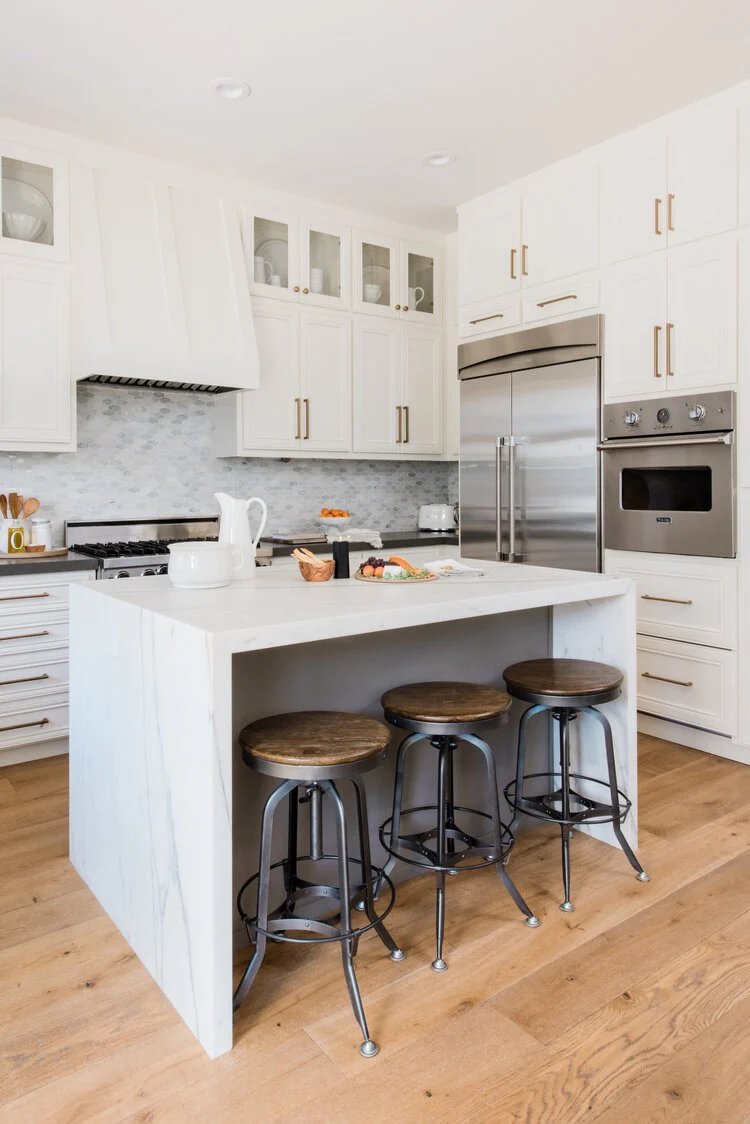
New kitchen cabinets cost $5,000–$25,000. That’s why most people live with cabinets they hate for years. But here’s what the cabinet industry doesn’t advertise: if your cabinet boxes are structurally sound, you can make them look brand new for a few hundred dollars. The cheapest way to update kitchen cabinets isn’t replacing them — it’s one of these four refreshes, ranked by cost.
Option 1: Paint Them ($100–$300)
Painting is the undisputed champion of cabinet transformations. A dated oak kitchen painted in a modern color looks like a $15,000 renovation for the price of a weekend and some supplies.
How to do it right
- Remove doors, drawers, and hardware. Label everything with painter’s tape so reassembly is painless.
- Clean thoroughly with a degreaser (trisodium phosphate substitute or Dawn). Kitchen cabinets accumulate invisible grease that will ruin paint adhesion.
- Lightly sand (150-grit) to scuff the surface — you’re not stripping, just giving the primer something to grip.
- Prime with a bonding primer. Don’t skip this. Ever.
- Paint two thin coats with a cabinet-specific enamel (alkyd or urethane-modified). Thin coats level better and cure harder than one thick coat.
- Let cure fully — paint feels dry in hours but needs 2–3 weeks to harden completely. Be gentle with doors in the meantime.
Total cost: $100–$300 for primer, paint, brushes/rollers, and supplies. The labor is yours — budget a full weekend plus drying time.
Want to skip the sanding step entirely? Our guide to painting kitchen cabinets without sanding covers the products and techniques that make it possible.
Option 2: New Hardware ($50–$200)
If your cabinets are already a fine color but look dated, the hardware might be the whole problem. Swapping 1990s brass knobs for matte black or brushed nickel pulls transforms the look in an afternoon. Measure your existing hole spacing (most are 3″ or 3.75″ on center) and buy replacements that fit — no drilling required.
Cost: $2–$8 per pull × 20–30 pieces = $50–$200. It’s the highest impact-per-dollar, lowest-effort update on this list.
Option 3: Reface Instead of Replace ($1,000–$3,000… or DIY for less)
Refacing means keeping the cabinet boxes and replacing just the doors, drawer fronts, and applying matching veneer to the frames. Pro refacing runs $1,000–$3,000 for an average kitchen — still far less than replacement. The DIY version (ordering unfinished doors online and finishing them yourself) can come in under $800.
Reface when the boxes are solid but the door style is truly dated (looking at you, arched cathedral oak) and paint won’t fix the shape.
Option 4: Strategic Updates ($0–$150)
Sometimes “updating” means editing, not adding:
- Remove a few upper cabinet doors for open shelving — free, and instantly modern (keep the shelves styled and tidy).
- Add under-cabinet LED lighting ($30–$80) — makes even old cabinets look intentional and high-end.
- Replace just the worst doors — if three doors are damaged and the rest are fine, replace three.
- Add crown molding or trim to the tops of cabinets for a built-in, custom look ($50–$150 in materials).
What Color Should You Paint?
The safest bets for resale and longevity: warm white, soft greige, or light gray for uppers; a deeper tone (navy, forest green, charcoal) on the island or lowers if you want contrast. Two-tone kitchens photograph beautifully and hide wear better than all-white. Avoid trendy brights — you’ll tire of them years before the paint wears out.
When Replacement Actually Makes Sense
Be honest about the boxes. Replace (don’t refresh) when:
- Cabinets are structurally failing — water-damaged particle board, broken frames, drawers that won’t stay on tracks.
- The layout is dysfunctional — no update fixes a kitchen where you can’t open the dishwasher and an oven at the same time.
- You’re doing a full remodel anyway and the incremental cost is small.
Mistakes That Ruin a Cabinet Paint Job
Cabinet painting fails for predictable reasons. Avoid these and yours will last:
- Skipping the degrease. The #1 cause of peeling. Kitchen cabinets have years of invisible cooking grease. If you do nothing else, clean aggressively with TSP substitute. Paint over grease and it will fail — no primer overcomes a greasy foundation.
- Using wall paint. Wall paint is formulated to be flat and touchable, not to survive daily handling, moisture, and cleaning. Cabinet enamel cures harder and resists chipping. The price difference is $10–$15 per gallon. Not the place to economize.
- One thick coat instead of two thin ones. Thick paint sags, shows brush marks, and stays soft underneath while feeling dry on top. Two thin coats level smooth and cure hard all the way through.
- Rehanging doors too soon. Paint feels dry in hours but needs 2–3 weeks to fully cure. Rehang carefully, close doors gently, and avoid cleaning for the first month. Most “failed” paint jobs were just rushed back into service.
- Painting in high humidity. Above 70% humidity, paint dries slowly and can stay tacky or develop adhesion problems. Pick a dry weekend or run a dehumidifier.
- Skipping primer on raw wood or dark stains. Tannins bleed through paint (especially oak), and dark colors ghost through light paint. Bonding primer blocks both.
How to Pick a Cabinet Paint Color You’ll Love in 5 Years
Trends cycle; your cabinets shouldn’t. White and warm greige are the safest long-term bets — they work with every countertop and backsplash. Navy and forest green on islands or lower cabinets add personality without overwhelming. Avoid the trendy color of the moment on all cabinets (remember the gray-everything era?). And always test large swatches in your kitchen’s actual light — colors shift dramatically between the store and your home.
One safety note for older kitchens: if your home was built before 1978, review the EPA’s lead paint safety guidance before sanding or disturbing old cabinet finishes.
The Bottom Line
The cheapest way to update kitchen cabinets: paint them ($100–$300) for a full transformation, swap the hardware ($50–$200) for a quick refresh, or reface ($1,000+) when the door style has to go. Start with hardware — if that’s not enough, commit to the paint weekend. Either way, you’ll wonder why you lived with the old look for so long. And if the kitchen still feels dated after the cabinets are done, making an old kitchen look modern cheaply covers the next layer of upgrades.