
 By admin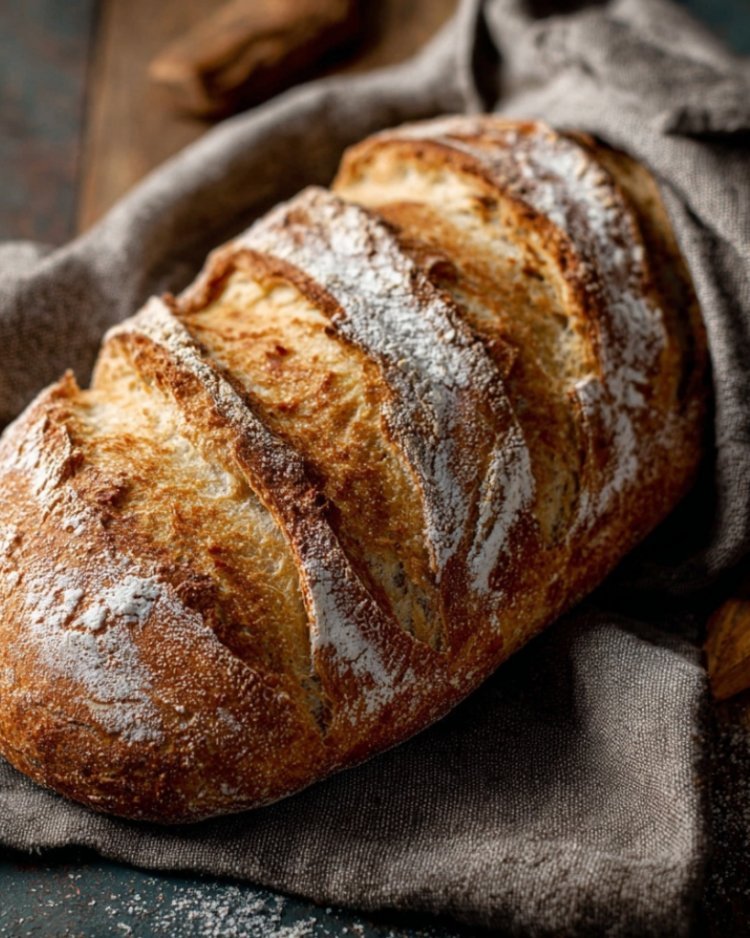
Homemade bread sounds intimidating — visions of sourdough starters, stretch-and-folds, and thermometers. Forget all that. The easiest homemade bread recipe for beginners needs four ingredients, no kneading, no special equipment, and about five minutes of actual work. It’s called no-knead bread, and it produces a loaf with a crackling crust and chewy interior that tastes like it came from an artisan bakery.
Why No-Knead Bread Works
Traditional bread needs kneading to develop gluten. No-knead bread replaces kneading with time — a long, slow rise (12–18 hours) lets gluten develop on its own and builds deep flavor through gentle fermentation. You trade effort for patience, and the result is actually better than most kneaded beginner loaves.
The Recipe (One Loaf)
- 3 cups all-purpose flour (or bread flour for chewier crumb)
- 1¾ teaspoons salt
- ½ teaspoon instant/rapid-rise yeast (yes, just half a teaspoon)
- 1½ cups lukewarm water
That’s it. Four ingredients. No sugar, no oil, no milk, no eggs.
What Is the Easiest Homemade Bread Recipe for Beginners? Step by Step
Evening (5 minutes of work)
- Mix everything in a large bowl with a wooden spoon until a shaggy, sticky dough forms. No kneading — just make sure there’s no dry flour. It should look rough and messy. That’s correct.
- Cover with plastic wrap or a damp towel.
- Leave at room temperature 12–18 hours. Go to bed. Go to work. The yeast does everything while you live your life. The dough is ready when it’s bubbly, more than doubled, and smells pleasantly yeasty.
Next day (10 minutes of work + baking)
- Preheat oven to 450°F with a heavy covered pot inside (Dutch oven, 4–6 quart — cast iron or enameled). Preheat for at least 30 minutes. The screaming-hot pot is what creates the crispy crust through trapped steam.
- Shape the dough: flour your hands and a work surface generously. Scrape the sticky dough out, fold it over on itself 2–3 times (takes 30 seconds), and form a rough ball. Don’t knead — just shape.
- Rest 30 minutes on parchment paper while the pot finishes preheating.
- Bake covered 30 minutes, then uncover and bake 15–20 minutes more until deeply golden brown. Darker than you think — pale bread is underbaked bread.
- Cool at least 1 hour on a wire rack before slicing. Cutting hot bread gives you a gummy interior — the crumb is still setting. This is the hardest step. (The smell is a form of torture; plan accordingly.)
Troubleshooting
- Dough didn’t rise: yeast was dead (check the expiration date) or the room was too cold. Next time, proof the yeast in warm water with a pinch of sugar first — if it foams in 10 minutes, it’s alive.
- Bread is dense: underbaked is the usual culprit — bake darker. Or the rise was too short; give it the full 18 hours in cool kitchens.
- Stuck to the pot: use parchment paper as a sling — lower the dough in on the parchment, lift it out the same way. Zero sticking, zero drama.
- Bottom burned: oven runs hot on the bottom — move to a higher rack or put a baking sheet on the rack below.
- Too sour: over-fermented (too warm or too long). Reduce rise time in warm weather.
Easy Variations (Same Method)
- Rosemary sea salt: fold in 2 tbsp chopped fresh rosemary before the rise; sprinkle flaky salt on top before baking.
- Cheddar jalapeño: fold in 1 cup shredded sharp cheddar + 2 diced jalapeños.
- Whole wheat: swap 1 cup flour for whole wheat; add 2 tbsp extra water.
- Everything bagel: brush the shaped loaf with water, press everything seasoning on top before baking.
- Olive: fold in ¾ cup chopped Kalamata olives before the rise.
No Dutch Oven? Options
The covered-pot steam method is ideal, but alternatives work: any heavy oven-safe pot with a lid, a pizza stone with an inverted metal bowl over the loaf, or even a sheet pan with a pan of boiling water on the rack below for steam. The Dutch oven is worth the investment if you bake regularly — it’s also perfect for the braised dishes and stews that make weeknights easy.
Storing Homemade Bread (It’s Different From Store-Bought)
No preservatives means homemade bread stales faster — but stored right, it’s excellent for days:
- Day 1–2: cut side down on a cutting board, or in a paper bag. The crust stays crisp. Never refrigerate fresh bread — the fridge accelerates staling (retrogradation) dramatically.
- Day 3–4: transfer to a plastic bag or bread box. The crust softens but the crumb stays good. This is toast and sandwich territory — still delicious.
- Day 5+: French toast, breadcrumbs, croutons, panzanella, bread pudding. Stale homemade bread is an ingredient, not a failure — it makes better French toast than fresh bread ever could.
- Freezing (the real answer for longevity): slice the completely cooled loaf, freeze slices flat in a freezer bag with parchment between them. Toast directly from frozen — tastes fresh-baked. Whole loaves: wrap tightly in plastic + foil, freeze up to 3 months, thaw at room temperature, then crisp in a 350°F oven for 10 minutes.
- Reviving day-old bread: run the loaf briefly under water (yes, really) and bake at 350°F for 10–12 minutes. The crust re-crispifies like magic. This trick works shockingly well.
The rhythm that works: bake on Sunday, enjoy fresh through Tuesday, toast Wednesday–Thursday, freeze half the second loaf immediately for next week. Two loaves a week, five minutes of active work each, and you never buy bread again.
Your Second Loaf: Leveling Up
Once the basic no-knead loaf is second nature, try these next steps in order: 1) Longer cold ferment: after mixing, refrigerate 24–72 hours instead of room-temp rising — deeper, more complex flavor with zero extra work. 2) Higher hydration: bump water to 1⅔ cups for a more open crumb (stickier to handle, worth it). 3) Add-ins: the rosemary, cheddar-jalapeño, and olive variations above. 4) A second rise shape: try boules, batards, and rolls with the same dough. 5) Then — and only then — consider sourdough. Most people jump to sourdough too early and quit frustrated. Master no-knead first; sourdough will still be there when you’re ready, and you’ll learn it in half the time.
Fresh bread plus a slow cooker stew is the ultimate weeknight dinner — see slow cooker meals for busy weeknights — and King Arthur Baking is the gold standard for taking your baking further.
The Bottom Line
The easiest homemade bread recipe for beginners: 3 cups flour, 1¾ tsp salt, ½ tsp yeast, 1½ cups water — mixed in 5 minutes, risen overnight, baked in a preheated Dutch oven at 450°F. No kneading, no special skills, no excuses. Your first loaf will have a crackling crust and an open, chewy crumb that makes store-bought bread taste like a placeholder. Fair warning: after this, you’ll be “the bread person.” There’s no going back.