
 By admin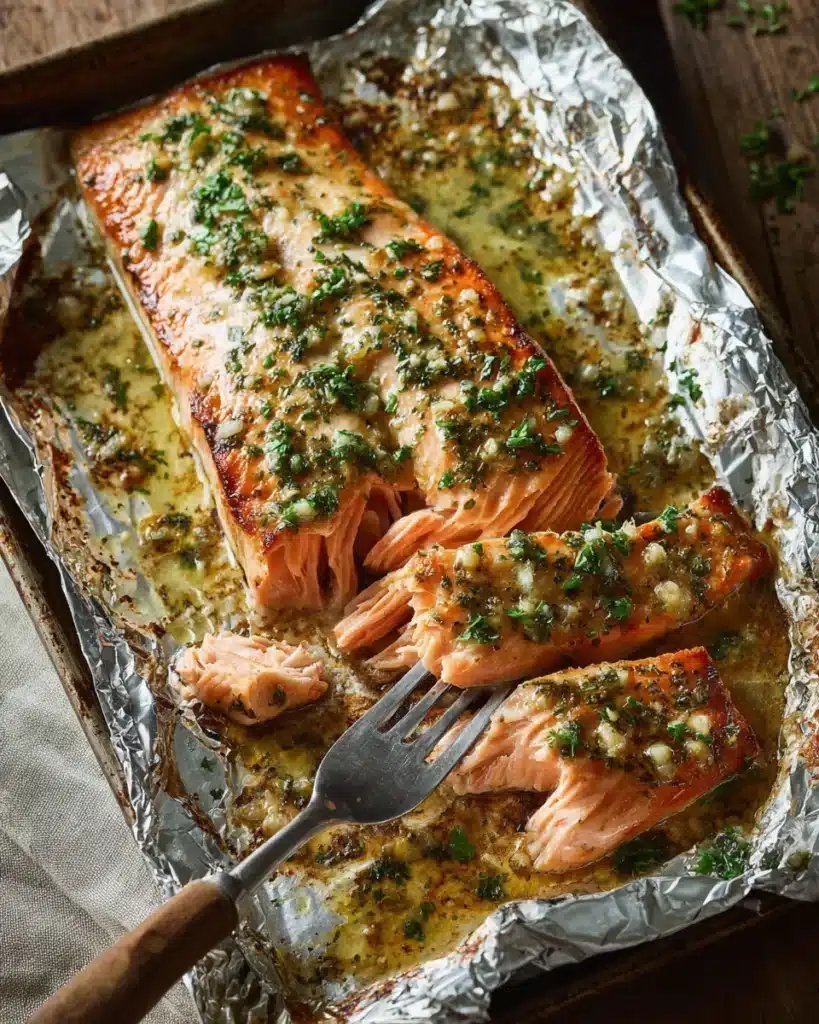
Salmon is the weeknight hero fish — healthy, fast, and nearly impossible to mess up if you know the method. But “nearly” is doing some work there, because dry, overcooked salmon is depressingly common. The best way to cook salmon in the oven nails three things: the right temperature, the right timing, and knowing exactly when to pull it. Here’s the method that works every time.
The Best Way to Cook Salmon in the Oven: The Method
What you need
- Salmon fillets (1–1.5 inches thick, skin-on preferred — the skin protects the flesh and crisps beautifully)
- Olive oil, salt, pepper, lemon
- A rimmed baking sheet + parchment paper or foil
- An instant-read thermometer (the difference between good and great salmon)
The steps
- Bring to room temperature: Take salmon out of the fridge 15–20 minutes before cooking. Cold salmon cooks unevenly — raw center, dry edges.
- Preheat to 425°F. Hot oven, short time = moist interior, nicely roasted exterior. (Some recipes say 400°F; 425°F gives better browning without drying.)
- Pat completely dry with paper towels. Moisture is the enemy of browning and crisp skin.
- Oil and season generously: rub with olive oil, then salt and pepper. That’s all great salmon needs — but see variations below.
- Place skin-side down on the lined baking sheet.
- Roast 10–14 minutes depending on thickness — roughly 8–10 minutes per inch of thickness.
- Pull at 125–130°F internal for medium (the FDA recommends 145°F, but carryover cooking plus personal preference lands most cooks at 125–135°F for moist, flaky results). The fish continues cooking 5°F+ as it rests.
- Rest 3–5 minutes before serving. Finish with lemon.
How to Tell When Salmon Is Done
- Thermometer (best): 125°F = medium-rare and silky; 135°F = medium and flaky; 145°F = well-done per USDA. Pull 5°F before your target.
- The flake test: press gently with a fork — it should flake easily but still look slightly translucent in the very center.
- Color: the flesh turns from translucent red-orange to opaque pink. White albumin (the white stuff that oozes out) means it’s slightly overcooked — still fine, just a visual cue for next time.
- Touch: it should feel firm but with slight give, not mushy (underdone) or rock-hard (overdone).
Flavor Variations (Same Method)
The 425°F method is a canvas. Before roasting, add any of these:
- Miso glaze: 2 tbsp white miso + 1 tbsp maple syrup + 1 tsp soy sauce. Brush on for the last 5 minutes (it burns if added earlier).
- Herb butter: dot with compound butter (butter + garlic + dill + lemon zest) before roasting.
- Cajun/Creole: 1 tbsp Cajun seasoning rubbed on — bold, fast, delicious.
- Asian-inspired: soy sauce + ginger + garlic + a drizzle of sesame oil.
- Simple lemon-dill: lemon slices on top, fresh dill after roasting. Classic for a reason.
Common Mistakes
- Cooking straight from the fridge — uneven cooking, guaranteed.
- Overcooking “to be safe” — salmon at 145°F+ is dry. Trust the thermometer, not the clock.
- Skipping the rest — juices redistribute; cutting immediately floods the plate and dries the fish.
- Thin tail pieces with thick fillets — tuck the thin tail under itself for even thickness, or buy center-cut fillets.
- Washing the salmon — don’t. It spreads bacteria around your sink without making the fish safer. The FoodSafety.gov guidelines are clear on this: cooking to temperature is what makes it safe.
Buying Salmon: What Matters
- Fresh vs. frozen: properly frozen salmon (frozen at sea) is often fresher than “fresh” fish that’s been sitting for days. Don’t fear the freezer aisle.
- Wild vs. farmed: wild has leaner texture and stronger flavor; farmed is fattier, milder, and more forgiving to cook. Both are nutritious.
- Thickness over weight: even, thick fillets cook better than thin, tapered ones. Ask the fish counter for center-cut pieces.
- Smell test: fresh salmon smells like the ocean, not “fishy.” Fishy smell = old fish.
What to Serve With It
Roasted salmon loves simple companions: roasted asparagus or broccoli (toss them on the same sheet pan for the last 10 minutes), a grain like quinoa or rice, and a green salad. For a full meal-prep strategy, salmon works beautifully in the rotation described in our chicken meal prep guide — same principles, faster protein.
Leftover Salmon: Don’t Let It Go to Waste
Cooked salmon keeps 3–4 days refrigerated, and leftovers are more versatile than most people realize — the key is not reheating it like fresh fish (which overcooks it). Instead, use it cold or at room temperature:
- Salmon fried rice: flake cold salmon into day-old rice with scrambled egg, soy sauce, and scallions. The #1 leftover salmon use — better than the original meal, some argue.
- Salmon salad sandwiches: flake and mix with mayo or Greek yogurt, diced celery, red onion, dill, and lemon. Superior to tuna salad in every way.
- Grain bowls: cold salmon over quinoa or rice with cucumber, avocado, edamame, and a soy-ginger dressing. Meal-prep gold.
- Salmon pasta: toss flakes through pasta with cream or olive oil, garlic, lemon, and capers. Add at the very end, just to warm through.
- Salmon cakes: flake, mix with breadcrumbs, egg, and Old Bay, pan-fry 3–4 minutes per side. Crispy outside, tender inside — completely different from the fillet experience.
- Breakfast hash: diced potatoes, onion, and flaked salmon in a hot skillet, topped with a fried egg.
If you must reheat: low and slow — 275°F oven for 10–12 minutes, or a covered skillet on low with a splash of water. Microwaving leftover salmon is how good fish goes to die; the texture turns rubbery and the whole office smells like a cannery.
Sheet-Pan Salmon Dinners (One Pan, Zero Fuss)
The oven method scales beautifully into full sheet-pan meals: toss asparagus, broccoli, or green beans with olive oil and salt on the sheet pan first, roast 10 minutes at 425°F, then push vegetables aside, add the salmon fillets skin-side down, and roast 10–12 minutes more. Add cherry tomatoes and lemon slices for the last 5 minutes. One pan, one temperature, dinner in 25 minutes with almost no cleanup. It’s the weeknight version of the method above — same salmon, even less work.
Salmon works in the same weekly rotation — our guide to meal prepping chicken for the week shows how to build a full week of proteins in one Sunday session.
The Bottom Line
The best way to cook salmon in the oven: room-temp fillets, patted dry, 425°F skin-side down for 10–14 minutes, pulled at 125–130°F internal, rested 5 minutes. Season simply or glaze boldly — the method doesn’t change. Get a thermometer, trust it over the clock, and you’ll never serve dry salmon again.