
 By admin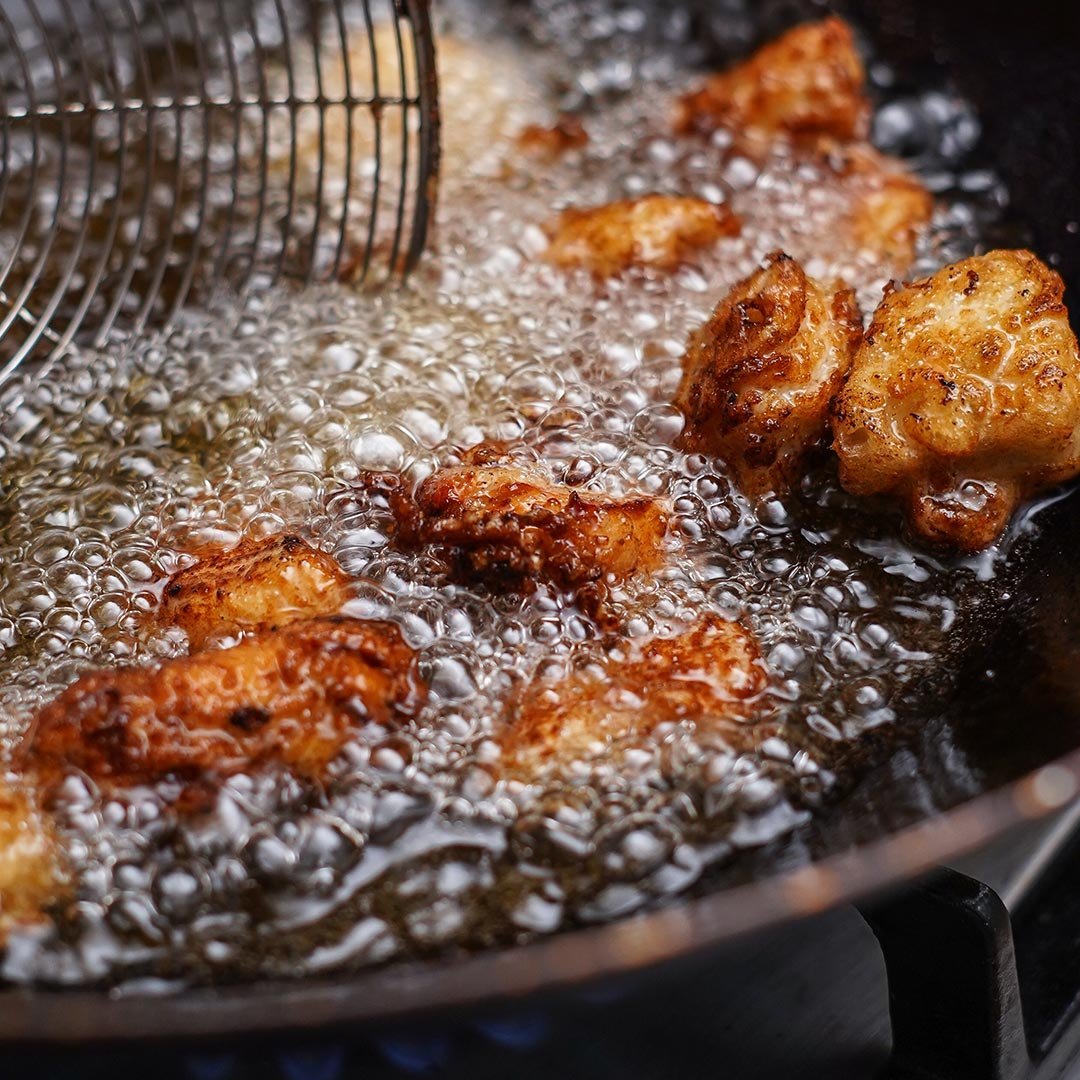
Crispy fried chicken with a shattering crust. French fries that stay crunchy. Donuts that taste clean, not greasy. The difference between great deep-fried food and a soggy, smoky mess often comes down to one choice: the oil. Use the wrong oil and you’ll get off-flavors, a smoke-filled kitchen, and food that absorbs grease. So what is the best oil for deep frying? There’s a clear winner — and a few good reasons why the others fall short.
What Makes an Oil Good for Deep Frying
Three properties matter:
- High smoke point (above 400°F). Deep frying happens at 350–375°F. An oil that smokes at 350°F breaks down, tastes bitter, and fills your kitchen with acrid smoke. You need headroom.
- Neutral flavor. The oil shouldn’t impose its taste on the food. (Peanut oil’s subtle nuttiness is the pleasant exception.)
- Stability. Oils high in saturated or monounsaturated fats handle sustained heat better than polyunsaturated-heavy oils, which oxidize faster.
The Winner: Peanut Oil
Refined peanut oil is the best all-around oil for deep frying. Smoke point around 450°F, neutral-to-pleasantly-nutty flavor, excellent stability, and it’s what many restaurants and fast-food chains use for a reason. It produces crispy, clean-tasting results batch after batch and can be strained and reused several times.
Note: refined peanut oil — highly refined peanut oil contains virtually no peanut protein, and the FDA exempts it from allergen labeling. But if you’re serving guests with peanut allergies, disclose it anyway and consider an alternative. Unrefined peanut oil has a lower smoke point and stronger flavor — not what you want here.
The Strong Runners-Up
- Canola oil: smoke point ~400°F, neutral, cheap, widely available. The best budget pick — what most home fryers should buy. Slightly less stable than peanut for multiple reuses.
- Vegetable/shortening blends: the old-school choice (Crisco-style). High smoke point, neutral, very stable. Solid shortening works but is less convenient than liquid oil.
- Safflower oil: smoke point ~510°F (one of the highest), neutral. Excellent but pricier and harder to find in large quantities.
- Avocado oil (refined): smoke point ~520°F, neutral when refined. Superb performance, premium price — overkill for most frying but excellent if you already have it.
Oils to AVOID for Deep Frying
- Extra-virgin olive oil: smoke point ~375°F (too low, and you’re wasting money — its flavor compounds burn). Regular/light olive oil works in a pinch but it’s expensive for the volume frying needs.
- Butter: milk solids burn at ~350°F. Clarified butter (ghee) is fine, but regular butter is a no.
- Unrefined/flavored oils (unrefined coconut, flaxseed, walnut): low smoke points, strong flavors, wrong tool for the job.
- Used oil that’s dark and smells off: oil degrades. Strain after each use, store cool and dark, discard when dark, foamy, or smoky-smelling (usually after 3–4 uses).
Deep Frying Technique (Oil Is Only Half of It)
- Temperature: 350–375°F. Below 350°F, food absorbs oil and goes soggy. Above 375°F, exteriors burn before interiors cook. A $15 clip-on thermometer removes all guesswork.
- Don’t crowd the pot. Too much food at once crashes the oil temperature. Fry in batches — the oil should recover to temp between batches.
- Dry food before frying. Water + hot oil = violent splattering and temperature drops. Pat everything dry.
- Right vessel: a heavy Dutch oven or deep cast-iron skillet holds heat stable. Fill no more than halfway — oil expands and bubbles.
- Drain on a wire rack, not paper towels — paper traps steam underneath and softens the crust you just built. Salt immediately while hot.
Oil Disposal (Don’t Pour It Down the Drain)
Pouring oil down the drain causes clogs and municipal sewer problems. Cool it, pour into a sealed container (the original bottle works), and: reuse it 2–3 more times if it’s still good, or dispose via your city’s cooking-oil recycling or household waste program. Many cities collect it — check locally.
What to Fry First: Beginner-Friendly Foods
New to deep frying? Start with these forgiving foods before attempting anything ambitious:
- French fries (the training wheels): cut potatoes, soak in cold water 30 minutes (removes starch for crispness), dry thoroughly, fry at 325°F for 5–6 minutes, rest, then fry again at 375°F for 2–3 minutes. The double-fry method is the professional secret — fluffy inside, shattering outside.
- Onion rings: thick-cut onion, buttermilk soak, seasoned flour dredge, fry at 375°F for 2–3 minutes. Fast, dramatic, hard to mess up.
- Fried chicken tenders: buttermilk-brined tenders, flour-egg-flour dredge, 350°F for 5–6 minutes to 165°F internal. More forgiving than bone-in pieces (no raw-center risk).
- Zucchini or pickle chips: thin slices, light batter, 375°F for 2–3 minutes. Quick, impressive appetizers.
- Donuts from biscuit dough: canned biscuit dough, hole cut out, 350°F for 1–2 minutes per side, toss in cinnamon sugar. Absurdly easy crowd-pleaser.
Work up to: bone-in fried chicken (temperature management through thick meat), tempura (delicate batter technique), and doughnuts from scratch (yeast timing + frying). Master the beginners first — frying is a skill, and skills build in layers, like a good batter.
Shallow Frying vs. Deep Frying: When Each Wins
Not everything needs a full pot of oil. Shallow frying (½ inch of oil in a skillet) is better for: thin cutlets, fritters, pancakes/egg dishes, and anything you want to flip easily — less oil, less mess, easier temperature control. Deep frying wins for: anything thick or irregular (bone-in chicken, donuts, fries in volume), anything battered (needs full submersion to set the coating evenly), and batch cooking. Rule of thumb: if the food is thicker than the oil is deep, you need the deep fryer. Both use the same oils and temperatures — the difference is just geometry.
A note on reusing frying oil: let it cool completely, strain through cheesecloth or a coffee filter into a clean jar, and store in a cool, dark place. Well-maintained peanut or canola oil handles 3–4 frying sessions before degrading. You’ll know it’s done when it darkens significantly, smells off, foams excessively, or smokes below 350°F. Good oil stewardship cuts your frying costs by two-thirds.
Match the right oil to the right method — see grilling burgers without drying them out for high-heat grilling and the healthiest cooking oil to use for everyday cooking — and follow USDA Food Safety and Inspection Service guidance on safe frying temperatures.
The Bottom Line
What is the best oil for deep frying? Refined peanut oil — 450°F smoke point, neutral flavor, great stability, reusable. Canola is the best budget alternative. Whatever you choose: keep it at 350–375°F with a thermometer, don’t crowd the pot, dry your food first, and drain on a rack. The oil gets you halfway to crispy; technique gets you the rest.
[…] out the cookout: pick the best oil for deep frying if you’re frying sides too, and plan the full spread with good side dishes for a […]
[…] peanut oil is the classic choice, and vegetable or canola oil work too. If you’re wondering what the best oil for deep frying is, peanut and canola top the list for exactly this kind of […]