
 By admin
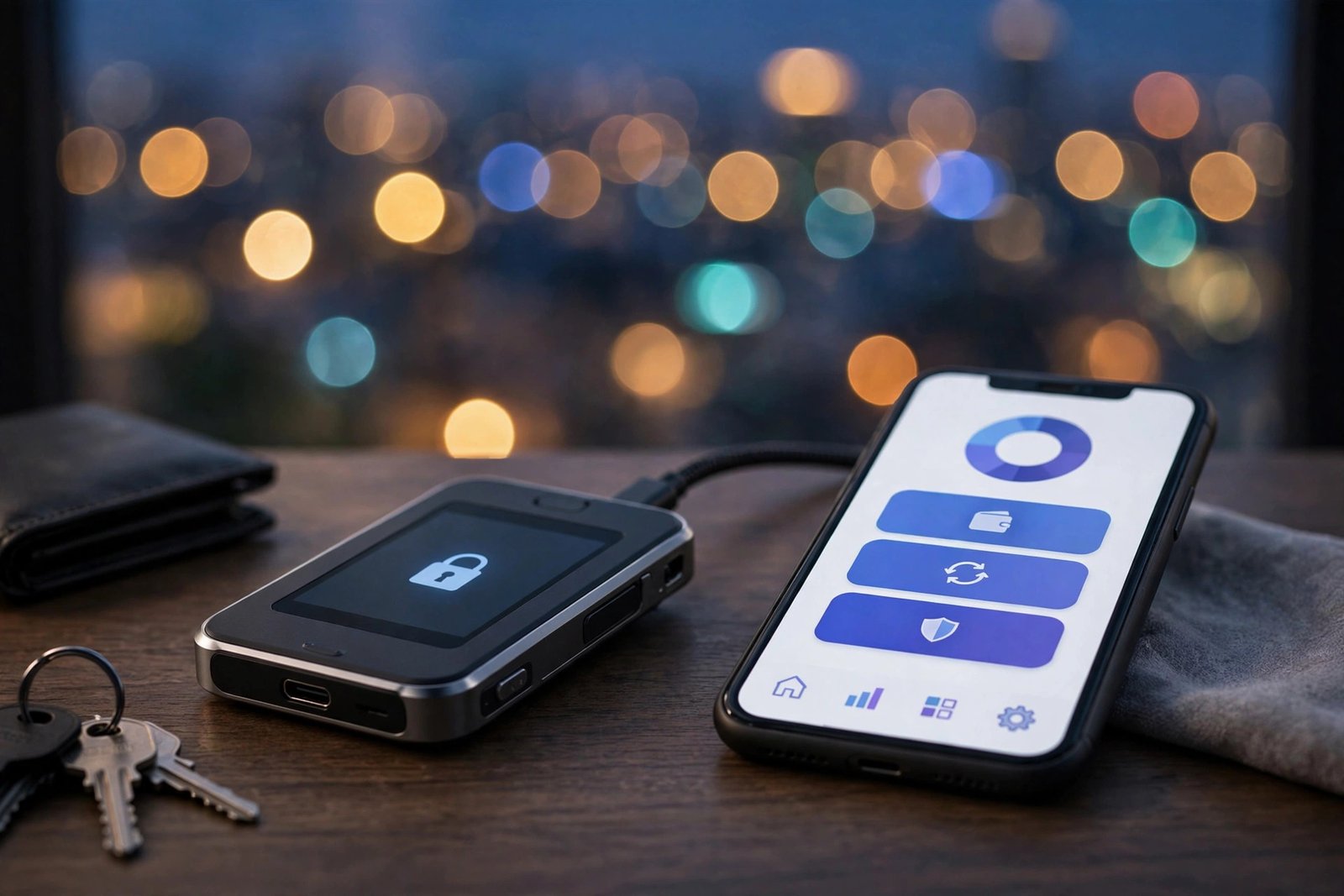
Los Angeles has one of the most active crypto communities in the country — from downtown meetups to Venice Beach startups, digital assets are everywhere. But popularity brings scammers, and the single most important decision a new buyer makes isn’t which coin to purchase. It’s where to store it. Pick the wrong wallet and a single phishing email can empty your account in minutes. Pick the right one and your coins stay yours, even if your phone gets stolen on the Metro.
This guide cuts through the marketing noise and explains which wallets are actually safe for beginners, the difference between the two main wallet types, and the LA-specific pitfalls — like in-person trading scams and fake “crypto ATM” helpers — that newcomers here should know about before buying their first satoshi.
Hot Wallets vs. Cold Wallets: The One Concept That Matters
Every crypto wallet falls into one of two categories. A hot wallet is connected to the internet — it’s an app on your phone or a browser extension. Hot wallets are convenient for trading and small balances, but because they’re online, they’re exposed to hackers, malware, and phishing. A cold wallet is a physical device (or even a piece of paper) that stores your keys offline. Nothing online can touch it, which makes it dramatically safer for anything you don’t plan to spend this week.
The beginner rule of thumb: keep spending money in a reputable hot wallet and savings in a cold wallet. Think of it like a wallet and a safe. You don’t carry your life savings in your back pocket, and you shouldn’t keep a year’s worth of Bitcoin in a phone app either.
The Safest Wallet Types for Beginners, Ranked
1. Hardware wallets (safest)
Devices like Ledger and Trezor are purpose-built USB-style gadgets that sign transactions offline. Even if your computer is riddled with malware, the private keys never leave the device. For a beginner holding more than a few hundred dollars, a hardware wallet in the $80–$150 range is the single best security purchase you can make. The tradeoff is convenience — you plug it in when you want to move funds, then put it back in a drawer.
2. Reputable mobile wallets
Well-known non-custodial mobile wallets are a solid starting point for small amounts and learning the ropes. “Non-custodial” means you hold the keys, not the company — critical, because custodial wallets can freeze your account. Look for wallets that have been around for years, are open source, and have survived public security audits.
3. Exchange wallets (convenient, riskiest for storage)
Leaving coins on an exchange is like leaving cash on a casino table — fine while you’re playing, unwise overnight. Exchanges get hacked, freeze withdrawals, and occasionally collapse. Buy there, then move anything you aren’t actively trading to your own wallet.
Your Seed Phrase Is the Real Wallet
When you set up a non-custodial wallet, you get a recovery seed phrase — usually 12 or 24 random words. Whoever has those words controls the funds, on any device, anywhere in the world. This is where most beginners get robbed, not by sophisticated hackers but by their own habits: screenshotting the phrase, saving it in a notes app that syncs to the cloud, or emailing it to themselves.
Write the phrase on paper with a pen. Make two copies. Store them in separate physical locations — say, a home safe and a safe deposit box. Never photograph it, never type it into a website, and understand that no legitimate support agent will ever ask for it. Anyone who does is a scammer, full stop. For general password hygiene beyond crypto, the same discipline applies — see how to set up two-factor authentication on all your accounts, and consider a good password manager so you’re not reusing credentials anywhere near your crypto.
LA-Specific Traps Beginners Should Know
Los Angeles has a few local flavors of crypto crime. In-person peer-to-peer trades arranged through social media sometimes end in robbery — never meet a stranger with cash and a phone full of crypto. “Crypto ATMs” in convenience stores charge brutal fees, sometimes 10–20 percent, and scammers increasingly direct victims to them as part of fake investment schemes. And be skeptical of anyone at a meetup or party offering to “help you set up” your wallet — a surprising number of thefts start with a helpful stranger photographing your seed phrase when you look away.
The FTC’s guide to cryptocurrency scams documents the most common schemes nationally, and the patterns match what LA police departments report locally: fake celebrity endorsements, romance-scam “investment advisors,” and phishing sites that mimic real exchanges. If you’re trading on the go, remember that coffee-shop Wi-Fi is a hunting ground for snoopers — read whether public Wi-Fi is safe before checking your portfolio from a café in Silver Lake.
Red Flags When Choosing a Wallet App
A safe wallet never asks for your seed phrase after setup, never promises returns, and never contacts you first. Be suspicious of wallets advertised through YouTube comments, Telegram groups, or influencer promo codes. Check the app’s download count and review history in the official app store — scammers clone popular wallets with nearly identical names and icons. And if a wallet’s website has no named company, no physical address, and no security audit published anywhere, treat it as a trap.
The SEC’s investor education site offers plain-language resources on evaluating digital asset products, and it’s worth a visit before trusting any new platform with real money.
Paper vs. Metal: Storing Your Recovery Phrase Right
Paper works, but it’s fragile — fire, flood, and fading ink are real threats over the decades you might hold crypto. That’s why serious holders upgrade to metal seed-phrase backups: stainless steel or titanium plates where you stamp or etch each word. They survive house fires and floods that would destroy paper, and they cost $50–$100 — cheap insurance for meaningful holdings.
Whatever medium you choose, the operational rules stay the same: never store the phrase digitally, never keep all copies in one location, and never tell anyone where they are. Consider splitting the phrase across two locations (words 1–12 in one place, 13–24 in another) so no single discovery compromises you. Some holders add a passphrase (a 25th word) for an extra layer — just understand that forgetting it locks you out permanently. Test your recovery process once with a small amount before trusting it with your full holdings; discovering a transcription error during an actual emergency is a nightmare you can prevent in ten minutes.
Conclusion
For a beginner in Los Angeles, the safest setup is boring on purpose: buy on a reputable exchange, move the bulk to a hardware wallet, write your seed phrase on paper twice, and enable two-factor authentication everywhere. Crypto’s biggest risks aren’t market crashes — they’re phishing emails, fake apps, and careless key storage. Get the wallet decision right and you remove the threats that actually separate beginners from their money.
Frequently Asked Questions
How much crypto should a beginner keep in a hot wallet?
Only what you’d be comfortable losing from a physical wallet — for most beginners, a few hundred dollars at most. Everything beyond that belongs in cold storage where it can’t be drained by malware or a compromised phone.
Can I buy a hardware wallet in person in Los Angeles?
Yes — buy directly from the manufacturer’s official website or an authorized retailer, never secondhand. A used hardware wallet could have tampered firmware designed to steal your keys the moment you set it up.
What happens if I lose my hardware wallet?
Nothing, as long as you have your seed phrase. Buy a new device from the manufacturer, enter the phrase, and your funds are restored. The device itself is replaceable; the phrase is not.
Are crypto wallets regulated in California?
Wallet software itself isn’t a regulated product, but exchanges operating in California must hold appropriate licenses. That distinction matters: regulation protects you on the exchange side, but self-custody means you are your own bank — and your own security team.