
 By admin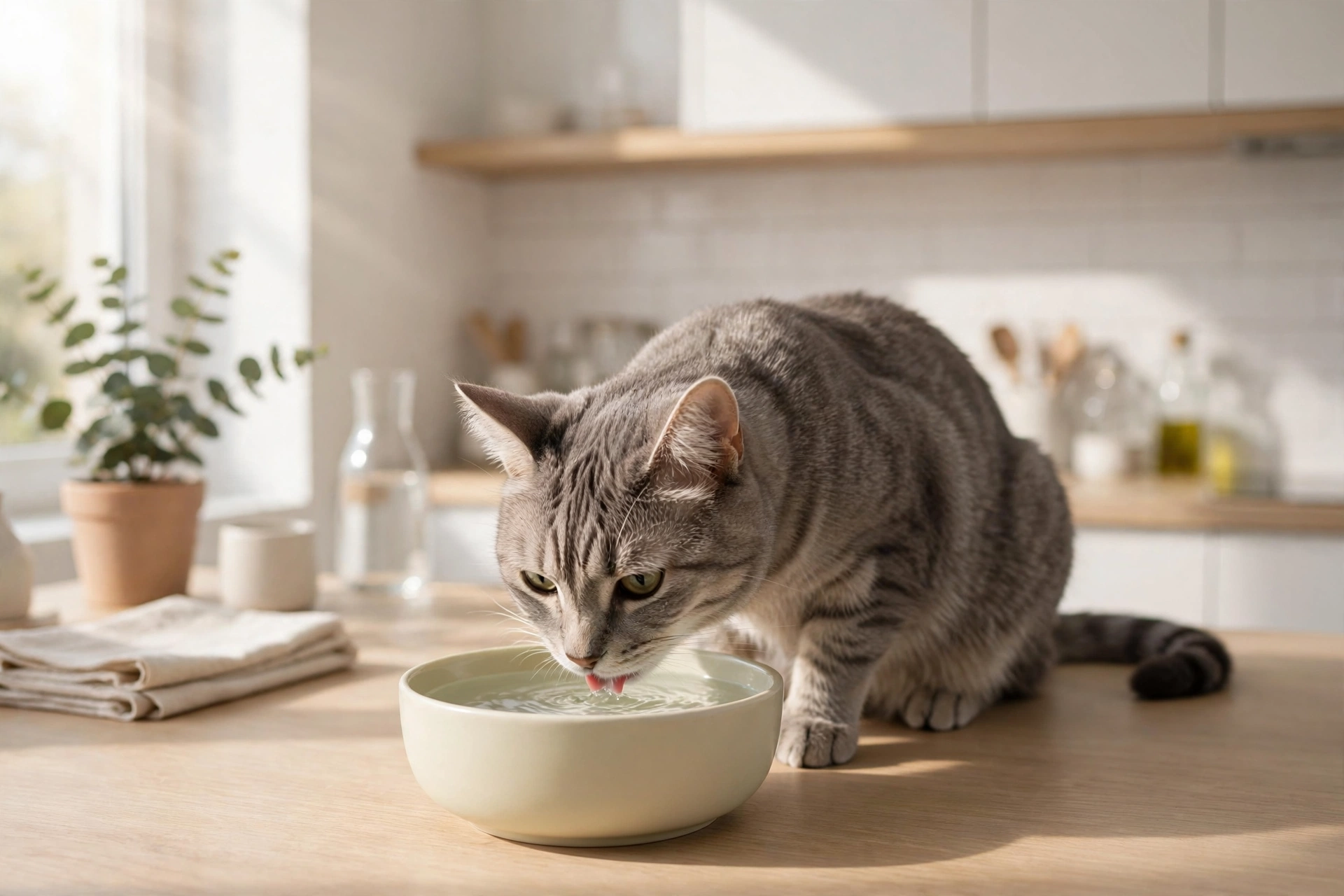
Quick Answer: A healthy cat usually urinates every 12 to 24 hours. If your cat has not peed in 24 hours, it is a concern; if it reaches 36 to 48 hours, it is a veterinary emergency — especially in male cats, where a urinary blockage can become fatal within 24 to 48 hours. Never adopt a wait-and-see approach past 24 hours; call your veterinarian.
Noticing that your cat has not used the litter box is one of the most stressful discoveries a cat owner can make. Sometimes the explanation is harmless — a new litter brand, a stressful house guest, or simply a change in routine. Other times, it signals a painful and potentially life-threatening urinary problem.
This veterinarian-informed guide explains how long a cat can safely go without peeing, the normal range for feline urination, every common reason a cat stops peeing, the exact warning signs of an emergency, and what to do step by step.
How Often Should a Cat Pee?
Most healthy adult cats urinate 2 to 4 times per day. Kittens may go more frequently, and senior cats with kidney disease often urinate larger volumes more often. A cat that pees once every 12 to 24 hours is still within the normal range, particularly if it eats mostly dry food and drinks less water.
What matters most is your cat’s normal pattern. If your cat reliably uses the box twice a day and suddenly produces nothing for a full day, that change is significant even if 24 hours sounds borderline. Learn your cat’s baseline so you can spot deviations quickly.
How Long Can a Cat Go Without Peeing Safely?
Here is the timeline veterinarians use:
- Up to 24 hours: Worth monitoring closely. Check whether the cat is straining, crying in the box, or producing very small amounts — partial output still counts as a problem.
- 24 to 36 hours: Call your veterinarian. This is beyond normal and needs professional assessment, even if your cat seems comfortable.
- 36 to 48 hours: This is an emergency. Toxins build up in the blood, potassium levels can rise to dangerous levels, and the bladder can become painfully distended or even rupture.
Male cats face the highest risk because their urethra is narrow and easily blocked by crystals, mucus plugs, or inflammation. A blocked male cat can die within 24 to 48 hours of complete obstruction. Female cats can also develop serious urinary disease, but complete blockage is less common.
Common Reasons a Cat Stops Peeing
Urinary Blockage (Most Dangerous)
A urethral obstruction — caused by urinary crystals, a mucus plug, or swelling — physically prevents urine from leaving the bladder. Signs include repeated trips to the litter box with little or no output, crying or straining, licking the genital area excessively, hiding, vomiting, and lethargy. This is a medical emergency. A blocked cat needs a veterinarian immediately, day or night.
Feline Lower Urinary Tract Disease (FLUTD)
FLUTD is an umbrella term for conditions affecting the bladder and urethra, including sterile cystitis (often stress-related), bladder stones, and bacterial infections. Cats with FLUTD may strain, produce only drops of urine, urinate outside the box, or have bloody urine. Stress is a major trigger — moves, new pets, construction noise, and schedule changes can all set off an episode.
Kidney Disease or Dehydration
Paradoxically, cats with advanced kidney disease usually urinate more, not less. But severe dehydration — from illness, vomiting, or not drinking — reduces urine production. A dehydrated cat has dry gums, sunken eyes, and skin that tents when gently pinched.
Litter Box Aversion
Sometimes the plumbing is fine but the cat refuses the box. Common triggers include a dirty litter box, a new litter type or scented litter, a box that is too small or has high sides a senior cat cannot climb, a new box location, or a bully cat guarding the box in multi-cat homes. The general rule is one litter box per cat plus one extra, scooped daily.
Stress and Environmental Changes
Cats are creatures of habit. Travel, boarding, new furniture, house guests, or a new baby can cause a cat to hold its urine or avoid the box. Stress-related holding is uncomfortable but usually resolves once the stressor passes — still, do not let it go past 24 hours without a vet call.
Constipation Confusion
Some owners mistake straining to defecate for straining to urinate. If your cat is posturing in the box but nothing is coming out, look carefully: hard, dry stool points to constipation, while frequent unproductive squatting with crying points to a urinary problem. When in doubt, treat it as urinary until a vet rules it out.
Warning Signs That Mean Emergency
Call your veterinarian or an emergency animal hospital immediately if you see any of these:
- Straining with no urine production — the single most urgent sign
- Crying or vocalizing in the litter box
- Lethargy, hiding, or refusal to eat
- Vomiting, especially repeated vomiting
- A hard, distended, painful abdomen
- Excessive licking of the genital area
- Bloody urine, even in small amounts
Do not try home remedies for a suspected blockage. There is no safe way to unblock a cat at home, and delaying care is the main reason these cases turn fatal.
What to Do If Your Cat Has Not Peed
Follow these steps in order:
- Check the environment first: Is the box clean? Has anything changed about the litter, location, or household? Rule out simple causes quickly.
- Observe closely: Watch your cat for 30 to 60 minutes. Note straining, crying, frequency of box visits, and any urine produced.
- Call your vet at the 24-hour mark (sooner if you see straining or distress): Describe exactly what you are seeing. Your vet will tell you whether to come in immediately.
- Go to emergency care if it is after hours and your cat is straining unproductively, lethargic, or vomiting. Do not wait for morning.
- At the clinic: Expect a physical exam, bladder palpation, possibly X-rays or ultrasound, urinalysis, and blood work. A blocked cat will be unblocked under sedation, hospitalized on IV fluids, and monitored.
Preventing Urinary Problems in Cats
You cannot prevent every urinary issue, but you can sharply reduce the risk:
- Encourage water intake: Provide fresh water in multiple locations, try a cat water fountain (many cats prefer running water), and feed wet food — moisture-rich diets significantly reduce urinary crystal formation.
- Keep litter boxes pristine: Scoop daily, change litter regularly, and maintain one box per cat plus one extra in quiet, accessible locations.
- Reduce stress: Maintain routines, provide hiding spots and vertical space, use calming pheromone diffusers during changes, and introduce new pets gradually.
- Feed a quality diet: Ask your vet whether a urinary-health formula is appropriate, especially if your cat has had crystals or blockage before. Avoid constantly switching foods.
- Maintain a healthy weight: Overweight cats are at higher risk of urinary problems. Measure food and keep treats under 10 percent of daily calories.
- Schedule regular vet visits: Annual exams with urinalysis for at-risk cats catch developing problems before they become emergencies.
Further Reading
- How to Tell If My Cat Is Pregnant: Step-by-Step Guide (2026)
- How Long Can Fish Go Without Food? Complete Answer (2026)
- How to Tell If Cat Has Fever: Step-by-Step Guide (2026)
- ASPCA’s pet care resources
- AKC’s dog breed guide
Frequently Asked Questions
Can a cat go 48 hours without peeing?
No — 48 hours without urinating is a medical emergency, not a normal variation. By this point toxins have built up in the bloodstream and the bladder is dangerously full. A cat that has not peed in 48 hours needs emergency veterinary care immediately, especially a male cat.
Why is my cat peeing everywhere except the litter box?
Urinating outside the box usually means either a medical problem (painful urination makes the cat associate the box with pain) or a litter box issue (dirty box, wrong litter, bad location, or conflict with another cat). Rule out medical causes with a vet visit first, then troubleshoot the box setup.
Can stress really stop a cat from peeing?
Yes. Stress is one of the leading triggers of feline lower urinary tract disease. Major changes — moving, new pets, travel, or even rearranged furniture — can cause a cat to hold urine or develop painful bladder inflammation. Minimizing stress and keeping routines stable is genuine preventive medicine for cats.
How can I get my cat to drink more water?
Try a pet water fountain, place water bowls away from food bowls, offer wet food as part of the diet, and keep water fresh daily. Some cats prefer wide, shallow bowls that do not touch their whiskers. Increased water intake dilutes urine and reduces crystal formation.
Are male cats really more at risk?
Yes. Male cats have a much narrower urethra than females, so crystals, mucus plugs, and inflammation can completely block urine flow. Female cats get urinary infections and bladder inflammation too, but life-threatening complete blockage is far less common in females.
The Bottom Line
A cat that has not peed in 24 hours needs your attention; a cat approaching 36 to 48 hours without urinating needs a veterinarian, urgently. Learn your cat’s normal litter box habits, keep boxes clean and water plentiful, and never dismiss straining or crying in the box as a minor issue. In feline urinary emergencies, hours matter — acting fast is the difference between a routine vet visit and a life-threatening crisis.