
 By admin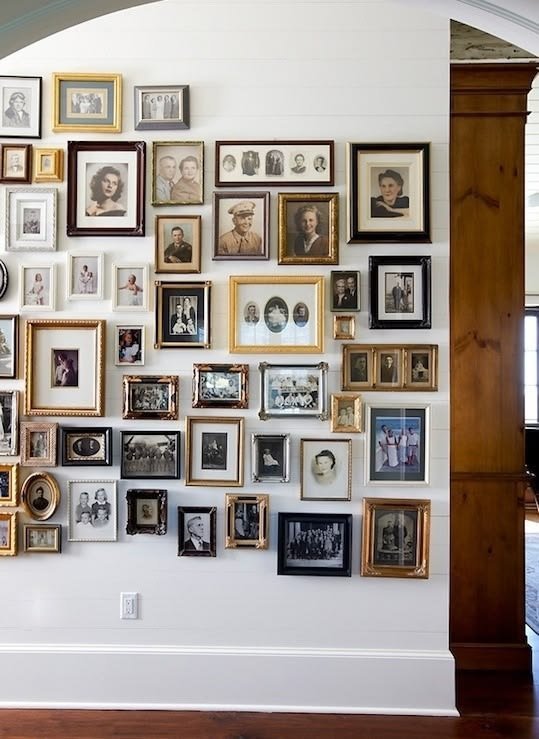
There’s a special kind of heartbreak in hanging a beautiful heavy mirror, stepping back to admire it, and watching it slowly tilt forward as the nail pulls out of the drywall. Drywall looks solid, but it’s basically chalk wrapped in paper — a standard nail holds almost nothing. Hanging heavy pictures on drywall safely isn’t about stronger nails. It’s about using the right anchors and, when possible, hitting studs.
Step 1: Know How Heavy “Heavy” Is
Weight determines everything:
- Under 20 lbs: A good picture-hanging hook or monkey hook works fine in drywall alone.
- 20–50 lbs: You need real wall anchors — toggle bolts or snap toggles. This is where most large mirrors and framed art land.
- 50–100 lbs: Toggle bolts minimum, and strongly prefer hitting at least one stud.
- Over 100 lbs: Must mount into studs. No exceptions. Drywall alone cannot be trusted at this weight.
Weigh the piece on a bathroom scale if you’re unsure. People consistently underestimate — that “medium” mirror is often 40 lbs.
Step 2: Find the Studs (Always Try First)
A screw driven into a wooden stud holds 80–100 lbs easily — an order of magnitude more than any drywall anchor. Always check for studs first:
- Electronic stud finder ($15–$30): the reliable method. Calibrate on an empty wall section, then scan slowly.
- The knock test: solid thud = stud, hollow sound = empty. Works, but verify with a thin nail test.
- Measure from a corner: studs are typically 16 inches on center. Measure 16″, 32″, 48″ from a corner as a starting guess, then confirm.
- Look for clues: electrical outlets and light switches are usually mounted to studs.
Once you find one stud edge, the stud is 1.5 inches wide — find both edges to center your screw. Drive a #8 or #10 wood screw at least 1.5 inches into the stud. For very heavy pieces, use two screws into two studs with a cleat or French cleat system.
How to Hang Heavy Pictures on Drywall Safely Without a Stud
Sometimes the stud isn’t where the art needs to go. That’s what heavy-duty anchors are for:
Toggle bolts (the workhorse)
The classic butterfly toggle: drill a hole, push the folded wings through, and they spring open behind the drywall, spreading the load across a wide area. A 1/4″ toggle bolt in 1/2″ drywall holds 50+ lbs in shear (straight down force). Use two for anything over 30 lbs to distribute weight and prevent rotation.
Snap toggles (the upgrade)
Brands like Toggler Snaptoggle are easier to install than traditional toggles — the metal channel stays in place even if you remove the bolt, so you can take the picture down and rehang it without losing the anchor. They hold 80–100+ lbs each in 1/2″ drywall. For heavy mirrors, these are my top pick.
What NOT to use for heavy items
- Plastic expansion anchors: fine for 10–15 lbs, not for heavy art. They’ll slowly pull out.
- Plain nails or picture hooks: rated for light frames only. The classic failure mode.
- Adhesive strips: wonderful for light frames, absolutely not for heavy ones — and they fail catastrophically in heat/humidity.
The Hanging Hardware on the Frame Matters Too
The wall anchor is only half the system. Check the back of the piece:
- Wire: use braided picture wire rated for at least 2× the piece’s weight. Replace old, frayed, or single-strand wire.
- D-rings: better than wire for heavy pieces — two D-rings with two wall hooks distribute weight and keep the piece level.
- French cleat: the pro choice for very heavy items (large mirrors, big framed art). One cleat on the wall (into studs), one on the frame — they interlock. Incredibly strong and self-leveling.
- Security hangers: for valuable pieces, use locking hangers that can’t be lifted off.
Safety Checks Before You Walk Away
- Tug test: pull down firmly on the mounted piece. It shouldn’t move, creak, or flex.
- Check after 24 hours: anchors can settle. Re-check level and tightness the next day.
- Earthquake country? Add museum putty at the bottom corners or use security hangers — heavy falling objects are genuinely dangerous.
- Above beds and cribs: be extra conservative. Use studs, use a French cleat, and consider whether that 60-lb mirror really needs to hang over a pillow.
If you’re building up your DIY capabilities, hanging pictures teaches stud-finding and anchoring — two skills covered in our easy DIY projects for beginners. And if you’re assembling the toolkit, see tools every homeowner needs — a stud finder and a decent drill are the heroes of this particular job.
Hanging a Gallery Wall (Multiple Pieces, One System)
Gallery walls multiply the anchoring challenge — here’s how to handle them:
- Plan on paper first. Trace each frame on kraft paper, cut out the shapes, and tape them to the wall. Live with the arrangement for a day before drilling a single hole. This prevents the Swiss-cheese wall of regret.
- Anchor the heavy pieces properly; light frames can share simpler anchors. In a gallery wall, usually 1–2 pieces are heavy (large frame, mirror) and the rest are light. Give the heavy ones toggle bolts or studs; the light ones get standard hooks.
- Use a consistent hanging height system: the center of the arrangement at 57–60″ (gallery standard, roughly eye level). For stairway galleries, follow the stair angle with consistent spacing.
- Spacing: 2–3 inches between frames for a cohesive look; wider spacing for a more casual feel. Consistent spacing matters more than perfect alignment — slight variations look intentional when spacing is even.
- One level, one tape measure, one pencil. Mark everything before drilling anything. The most common gallery wall mistake is hanging the first piece, then eyeballing the rest.
For renters: the paper-template method also lets you minimize holes — and many light frames can hang on adhesive strips, reserving drilled anchors for only the genuinely heavy pieces.
For video walkthroughs of toggle-bolt installation and French cleats, This Old House’s wall-hanging tutorials demonstrates every anchor type covered here.
The Bottom Line
How to hang heavy pictures on drywall safely: find the studs first and screw into them whenever possible. No stud where you need one? Use snap toggles or toggle bolts rated well above the piece’s weight, use two anchors for anything over 30 lbs, and make sure the frame hardware (wire, D-rings, or French cleat) is equally up to the job. Do the tug test, re-check tomorrow, and you’ll never experience the slow-motion horror of art peeling off the wall.