
 By admin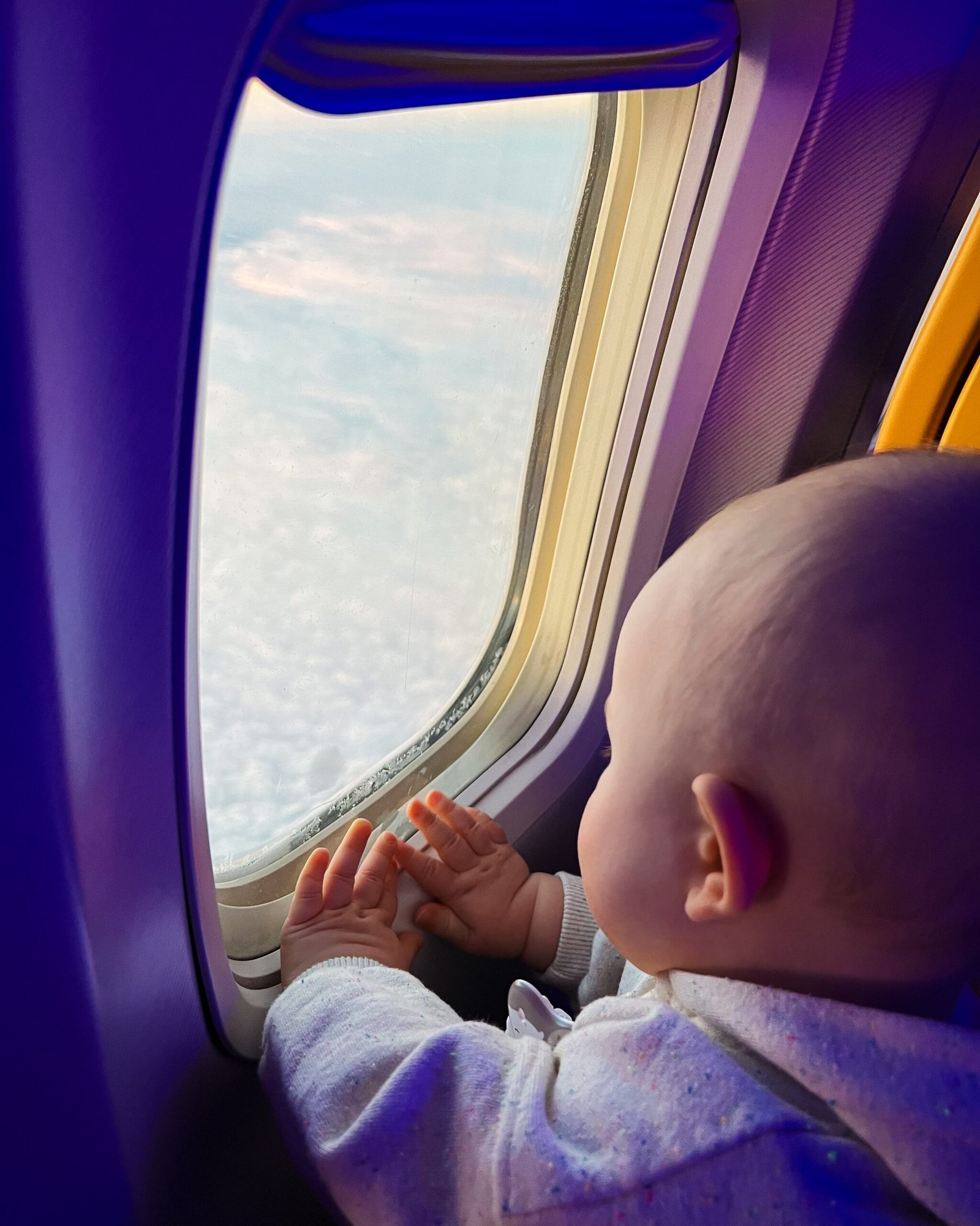
The thought of flying with a baby terrifies new parents more than turbulence ever could. The judgmental stares, the confined space, the sheer unpredictability of a tiny human at 35,000 feet. But here’s the truth from parents who’ve done it dozens of times: babies are actually easier plane passengers than toddlers, and with the right preparation, most flights go far better than feared. If you’re asking how can I travel with a baby on a plane, this is the complete survival guide.
Before You Book: The Key Decisions
Lap infant vs. own seat: Under age 2, babies fly free as lap infants on domestic flights (international charges ~10% of adult fare plus taxes). A separate seat with an FAA-approved car seat is safer and more comfortable — but doubles the cost. For flights under 3 hours, lap infant is fine for most families; for long-hauls, the seat is worth serious consideration. The FAA’s guidance on child safety recommends car seats for all kids, and it’s genuinely the safest option.
Flight timing: book around sleep if possible. Red-eyes and nap-time flights mean a sleeping baby; mid-morning flights mean a wired one. Direct flights always beat connections with a baby — every layover is another security line, another boarding, another chance for meltdown.
Documents: domestic flights technically require no ID for lap infants, but bring the birth certificate — airlines occasionally ask for proof of age. International: babies need their own passport (apply early; processing takes weeks). Our Mexico travel documents guide covers the international paperwork specifics.
How Can I Travel With a Baby on a Plane? Packing the Diaper Bag
- Diapers: one per hour of travel, plus 3 extra. Blowouts obey Murphy’s Law.
- Wipes: the whole pack. They clean everything — hands, tray tables, faces, seats.
- Change of clothes: two for baby, one for you. Trust us on the “for you.”
- Feeding supplies: bottles + formula portions (or nursing cover if you use one), plus more than you think you need. Delays happen.
- Snacks: for babies on solids — puffs, pouches, Cheerios. Novel snacks buy quiet time.
- Entertainment: 3-4 small, quiet, novel toys (novelty matters — save new ones for the flight), plus a tablet loaded with downloads as backup for older babies.
- Comfort items: lovey, pacifier + backup, familiar blanket. The plane is strange; familiar smells help.
- Medications: infant pain reliever, saline spray (cabin air is brutally dry), any prescriptions — in your personal item, never checked.
- Plastic bags: for dirty diapers, soiled clothes, trash. Several.
At the Airport
Gear: gate-check the stroller and car seat free (get gate-check tags at the counter). A baby carrier is the MVP — hands-free through security, and you can often wear baby through the metal detector (you’ll still need to remove them for the body scanner in most cases; policies vary).
Security with the TSA’s family procedures: formula, breast milk, and baby food are exempt from the 3-1-1 liquid rule in “reasonable quantities” — just declare them. You’ll carry baby through; the stroller folds onto the belt. Give yourself an extra 30 minutes beyond normal.
Boarding: take the early family boarding — it gives you time to settle, sanitize the area, and install the car seat without an audience. But if baby is mobile and restless, consider boarding last to minimize confined time. Know your baby.
Surviving the Flight
- Takeoff and landing: feed, nurse, or offer a pacifier/bottle during ascent and descent. Swallowing equalizes ear pressure — this prevents the #1 cause of in-flight crying.
- The bassinet option: on long-haul flights, bulkhead bassinets (airline-provided, must reserve ahead) are glorious. Request at booking; they’re limited and go fast.
- Walk the aisles. When fussiness starts, motion soothes. The galley area becomes your friend; flight attendants are usually kind about it.
- Lower your standards. Screen time limits don’t apply at 35,000 feet. Whatever works — the tablet, the snack bribe, the 47th reading of the crinkly book — is the right call.
- Ignore the judgers. Most passengers are sympathetic (many are parents). The rare grump’s opinion is irrelevant. You’re doing your best in a metal tube.
Jet Lag With a Baby
Babies adjust faster than adults but still need 1-2 days per time zone. Get sunlight exposure at the destination’s daytime, keep them up gently if arriving mid-day, and accept that the first nights will be weird. Our jet lag guide covers the adult side; for babies, patience and daylight are the whole strategy.
You’ve Got This
What Age Is Easiest to Fly With?
Honest ranking from veteran flying parents:
- 0-6 months: the golden age. They sleep 16+ hours, don’t move, and nurse on demand. If you must fly with a baby, do it now.
- 6-12 months: still good, but mobile — crawling babies want to explore the aisle. More gear, more snacks, more walking.
- 12-24 months: the hardest age. Mobile, opinionated, too young for screens-as-babysitter to fully work, ears still sensitive. Survivable with preparation (see above), but nobody’s favorite.
- 2-4 years: improving fast — tablets work, snacks negotiate, and they understand bribes. Still bring everything.
The takeaway: don’t postpone that trip waiting for the “perfect” age. Under-6-months is genuinely easy, and every age after is manageable with the playbook above. The memories (and the grandparents’ joy) are worth the logistics.
Every parent survives their first baby flight and immediately wonders what the fuss was about. Prepare well, pack extra everything, feed on ascent, and remember: the flight ends. At the other end is your trip — and a baby who won’t remember the flight but will have been somewhere new, which is what it’s all about.
Deep breath. You’ve packed the bag, booked the flight, and read the guide — you’re more prepared than 95% of flying parents. The baby will cry at some point, and it will be fine. The flight will end, the trip will begin, and you’ll join the club of parents who know the secret: it’s never as bad as you fear. See you at cruising altitude.
[…] children adjust faster but need 1-2 days per time zone. Sunlight and patience — our flying with a baby guide covers the in-flight […]