
 By admin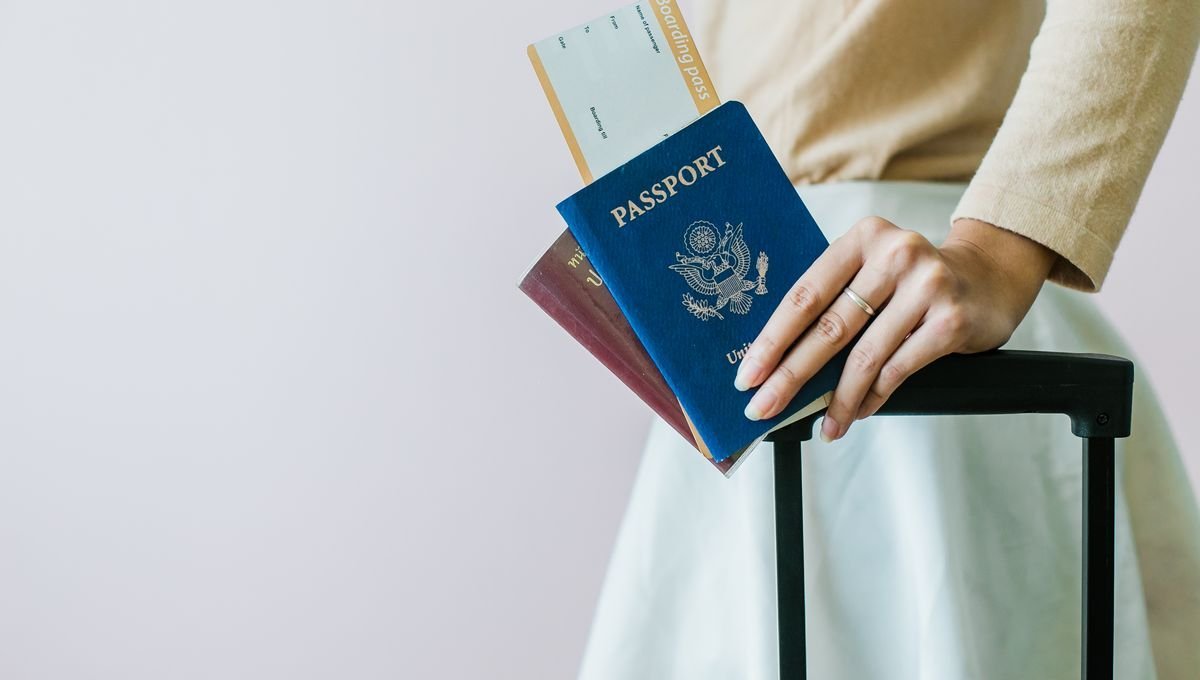
Mexico is the most-visited international destination for Americans — and also the one that generates the most document confusion. Passport book or card? What about the kids? Driving across — different rules? If you’re asking what documents do I need to travel to mexico, here’s the complete, current guide for every travel mode and every traveler.
The Short Answer
Flying to Mexico: a valid U.S. passport book — required, no exceptions, for all ages including infants. Driving/walking across: passport book, passport card, or other WHTI-compliant document. Closed-loop cruise (starts and ends at the same U.S. port): technically a birth certificate + photo ID works, but a passport is strongly recommended. That’s the summary; the details matter, so read on.
What Documents Do I Need to Travel to Mexico? By Travel Mode
By air (the strictest): every traveler, including babies, needs a valid passport book. Passport cards are NOT valid for international air travel — this is the #1 mistake. Your passport must be valid for the duration of your stay; Mexico doesn’t enforce the “6-month validity” rule that many countries do, but airlines sometimes do — renew if you’re within 6 months of expiration to avoid denied boarding. Check current requirements on travel.state.gov’s Mexico page before every trip; rules can shift.
By land (driving or walking): U.S. citizens need a WHTI-compliant document: passport book, passport card ($30 vs. $130 for the book — valid for land/sea only), Enhanced Driver’s License (available in MI, MN, NY, VT, WA), or a Trusted Traveler card (Global Entry, NEXUS, SENTRI). You’ll also receive a FMM tourist permit (Forma Migratoria Múltiple) at the border — free for stays under 7 days, ~$30 for longer. Keep the stamped portion; you surrender it when leaving.
By sea (cruise): closed-loop cruises (departing and returning to the same U.S. port) allow U.S. citizens to travel with a birth certificate + government photo ID. But — and this is important — if you miss the ship or need emergency medical evacuation, you’ll need a passport to fly home. The State Department strongly recommends passports for all cruises. Our cruise packing guide covers the rest of the preparation.
Documents for Kids
- Under 16: flying requires a passport book (same as adults). By land/sea, a birth certificate (original or certified copy) suffices for closed-loop travel.
- 16-17: treated as adults for document purposes on most routes.
- Traveling with one parent or non-parents: carry a notarized consent letter from the absent parent(s). Mexican authorities can and do ask for this — it’s the most commonly missing document in family travel.
- Apply early: children’s passports can’t be renewed by mail and require both parents’ presence (or consent forms). Start 3+ months before travel.
Driving Into Mexico: The Extra Paperwork
Driving beyond the border zone requires a Temporary Vehicle Importation Permit (TIP) — about $50 plus a refundable deposit ($200-400 depending on vehicle age), obtained at the border or online in advance. You’ll need: vehicle title or registration, valid driver’s license, and a credit card in the driver’s name. Also: your U.S. auto insurance doesn’t cover Mexico — buy Mexican auto insurance before crossing (available online, ~$20-30/day). This isn’t optional; it’s legally required and practically essential.
What About Visas?
U.S. tourists don’t need a visa for stays under 180 days — the FMM tourist permit covers you. For longer stays, work, or residency, you’ll need the appropriate visa from a Mexican consulate before traveling. Don’t overstay the FMM; penalties and re-entry problems aren’t worth it.
Health and Other Documents
- Travel insurance: your U.S. health insurance likely doesn’t cover Mexico. Medical evacuation coverage is cheap and critical — see our travel insurance guide for the framework (international trips strengthen the case considerably).
- Prescriptions: carry medications in original bottles with a copy of the prescription. Some common U.S. prescriptions are controlled substances in Mexico — check before packing.
- Vaccinations: routine vaccines should be current; hepatitis A and typhoid are recommended for most travelers. Check the CDC’s traveler health page for Mexico for current guidance.
- Copies of everything: photograph all documents and store securely in the cloud. If documents are lost or stolen, copies massively speed up embassy replacement.
If Something Goes Wrong
- Lost passport: contact the nearest U.S. Embassy or Consulate immediately — they issue emergency replacements, usually within days. This is why you have the copies.
- Detained or in trouble: you have the right to contact the U.S. consulate. The State Department’s emergency line (+1-888-407-4747) operates 24/7.
Pre-Trip Checklist
- Passport valid 6+ months beyond travel dates (all air travelers, all ages)
- Passport card or EDL as backup for land crossings
- FMM permit plan (get at border; keep the stub)
- Notarized parental consent letter if applicable
- TIP + Mexican auto insurance if driving beyond the border zone
- Travel insurance with medical evacuation
- Copies of everything, stored in the cloud
- Check travel.state.gov for current advisories
Global Entry and SENTRI: Worth It for Mexico Travelers?
If you cross the southern border regularly, trusted traveler programs pay for themselves fast:
- Global Entry ($100/5 years): expedited US customs on return by air and includes TSA PreCheck. The single best value in travel if you fly internationally even twice a year.
- SENTRI ($122.50/5 years): dedicated express lanes at the southern border — turns 2-hour vehicle waits into 15 minutes. Essential for frequent land crossers (San Diego-Tijuana commuters swear by it).
- NEXUS ($50/5 years): the bargain — covers northern border express plus Global Entry benefits. Useless at the southern border, unbeatable value otherwise.
Application involves a background check and an in-person interview; start 3-6 months before you need it. Our TSA PreCheck guide covers the domestic-security side of the equation.
Mexico rewards prepared travelers enormously — the beaches, the food, the culture are worth every bit of paperwork. Get the documents sorted early, and the only thing left to worry about is which taco stand to try first.
One last tip: take a photo of your FMM tourist permit the moment you receive it. If the paper stub gets lost (it happens constantly), the photo proves your legal entry and saves hours of hassle at departure. Small habit, big insurance. Now ¡buen viaje!
[…] A surprise trip dies at check-in without paperwork — verify silently months ahead. Our Mexico documents guide shows the checklist style to replicate for any […]