
 By admin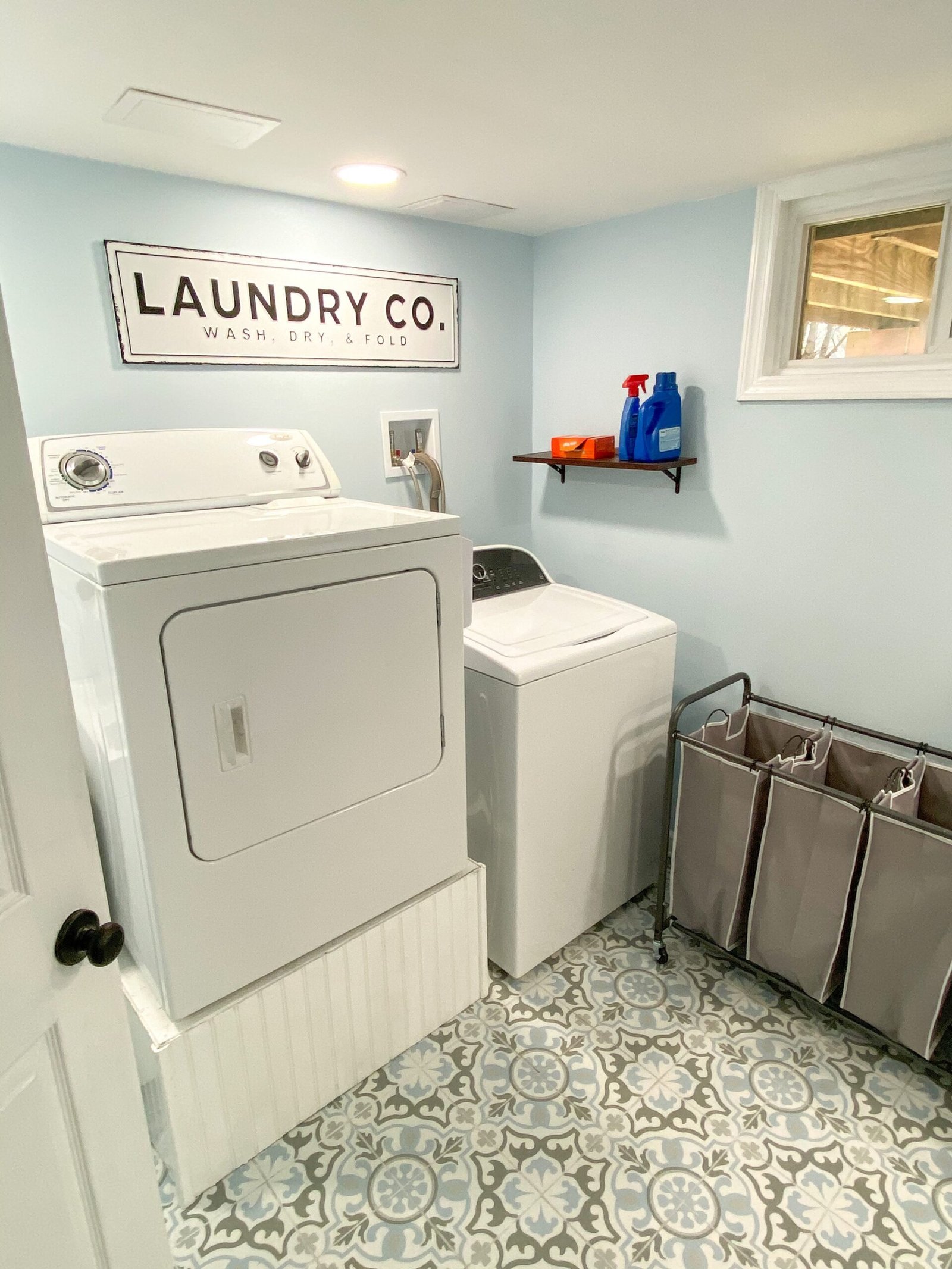
Laundry is the chore that never ends. The moment you finish, someone generates more. It’s not hard — it’s relentless, a low-grade background task that steals weekends one load at a time. If you’re wondering how can I make laundry less of a chore, the answer isn’t a better detergent. It’s a system that removes every decision and delay from the process, so laundry runs like background software instead of a recurring crisis.
Why Laundry Feels So Awful
Break down the pain: it’s not washing — machines do that. It’s the transitions: sorting, carrying, remembering to move loads, folding, putting away. Each transition is a chance to procrastinate, and a forgotten wet load means rewashing. The system below attacks the transitions, not the washing. Total active time: about 30 minutes a week.
How Can I Make Laundry Less of a Chore? Sort at the Source
The single highest-impact change: stop sorting laundry day-of. Use a 3-section hamper (or three cheap hampers) in each bedroom or bathroom: lights, darks, and towels/sheets. Clothes get pre-sorted the moment they come off. Laundry day becomes “grab a full section and go” — no sorting pile, no decisions, no dread. For kids, picture labels on each section make it foolproof, and it’s a perfect starter responsibility in your kids’ chore system.
Pick Your Laundry Rhythm
- The daily load: one load every morning, start to finish. Never more than one load exists. Best for large families where laundry reproduces overnight. Fold straight from the dryer while coffee brews.
- Batch days (recommended for most): two designated days weekly (e.g., Wednesday and Sunday). Run 2-3 loads back-to-back like an assembly line. Contained, predictable, done.
- The weekend warrior: all laundry Saturday morning. Works for singles and couples; fails spectacularly for families (mountain effect).
Whichever you choose, protect it like an appointment. “Laundry day” that slides becomes “laundry crisis” by Thursday. Fold this into your weekly cleaning schedule so it’s automatic, not debated.
Kill the Transition Delays
- Wet to dryer immediately: set a phone timer when the washer starts. The #1 laundry time-waster is the forgotten load — the timer ends it forever.
- Fold straight from the dryer. Warm clothes fold faster and with fewer wrinkles. Keep a folding surface (even the top of the dryer) clear and do it in the 10 minutes while the next load washes.
- Put away same-day. The “clean laundry chair” is where systems die. Baskets labeled per person make distribution a 5-minute family job — everyone carries their own.
- Hang-dry the easy stuff. A $15 drying rack handles delicates and quick-dry items, cutting dryer time and energy. The Department of Energy’s laundry tips confirm it also extends clothing life.
Folding Shortcuts for the Folding-Averse
- The file fold: fold clothes into rectangles and stand them upright in drawers (KonMari style). You see everything, nothing gets buried, and it genuinely takes less time once learned.
- Skip folding what doesn’t need it: underwear, socks, workout clothes, and pajamas go straight into bins or drawers unfolded. This alone cuts folding time by a third. No one is impressed by folded socks.
- Hang more: shirts, pants, and dresses go straight from dryer to hanger. Hanging is faster than folding and skips ironing.
- One show rule: folding happens during one episode or playlist. Pairing the task with entertainment makes it feel like barely a task.
Upgrade the Laundry Space
A miserable laundry area makes every load worse. You don’t need a renovation — a folding surface, good lighting, and supplies within reach transform the experience. If your laundry room is dysfunctional, our guide to making your laundry room more functional covers layouts, storage, and drying solutions for spaces of every size.
Laundry Mistakes Costing You Money
- Too much detergent. Modern HE washers need far less than the cap suggests — usually two tablespoons. Excess detergent leaves residue that makes clothes dingy faster and can damage the machine. Measure once; you’ll be shocked.
- Hot water by default. Hot water costs roughly 10x the energy of cold per load and fades colors faster. Reserve hot for whites, towels, and sick-day bedding; everything else goes cold.
- Overdrying. The number one cause of shrunken, worn-out clothes. Dry on medium, pull things slightly damp, and let them finish air-drying. Your clothes last noticeably longer.
- Washing jeans after every wear. Denim is designed for multiple wears — spot clean, air out, and wash every 4-5 wears. They’ll look better and last years longer.
- Ignoring the lint trap and vents. A clogged dryer vent is a fire hazard and an efficiency killer. Clean the trap every load and the vent yearly.
- Dry cleaning what doesn’t need it. Most “dry clean only” labels are manufacturer caution, not law. A gentle cold hand-wash handles many of them — test an inside seam first.
Fixing just the detergent and temperature habits saves the average household $100+ yearly in energy and detergent — and your clothes look better doing it. The cheapest laundry upgrade is simply doing it right.
The 60-Second Stain Triage
Stains cause laundry anxiety because people don’t know the rules. Here are the only ones that matter: act fast (blot, don’t rub), use cold water first (hot sets protein stains like blood and egg permanently), and know the big three — dish soap for grease, hydrogen peroxide for blood and wine, white vinegar for sweat and deodorant marks. Keep a small spray bottle of dish soap + hydrogen peroxide near the hamper as your universal pre-treater. Treat the stain, toss it in the normal load, and stop stressing. Ninety percent of stains surrender to speed plus the right $2 solution.
Shrink the Laundry Itself
- Rewear jeans and outer layers 3-4 times; spot-clean instead of full washing.
- Towels: one bath towel per person per week (hang to dry between uses), not a fresh one daily.
- Sheets: weekly is plenty for most people; pillowcases twice weekly if you’re acne-prone.
- Full loads only. Half loads waste water, energy, and your time — wait until the section is full.
Laundry will never be fun. But with pre-sorting, a fixed rhythm, timer discipline, and folding shortcuts, it becomes a quiet background process — 30 active minutes a week instead of a weekend-eating monster. That’s as close to painless as chores get.