
 By admin
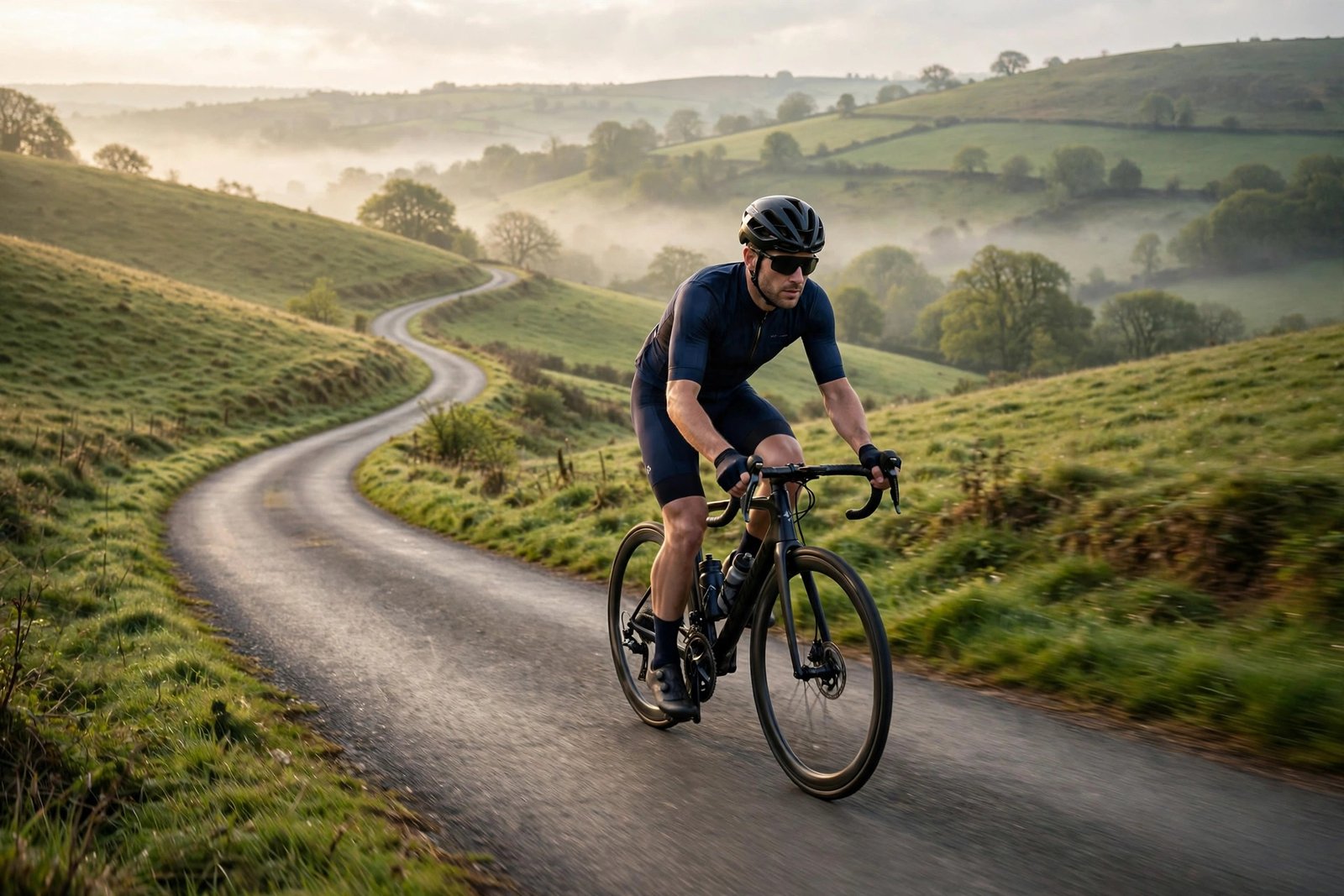
You can ride 20 miles comfortably, but 40 feels like a different sport — and 60 might as well be on the moon. Cycling endurance isn’t about suffering more; it’s about training the specific energy systems that let you ride longer at the same effort. The riders who cruise through century rides aren’t tougher than you. They’ve built an aerobic base, learned to fuel on the bike, and paced intelligently. Here’s the complete playbook for extending your range, whether your goal is a first 50-miler or a full century.
Build the Aerobic Base First (Zone 2 Is Everything)
Endurance cycling runs on your aerobic system — the energy pathway that burns fat efficiently at moderate effort. The way to build it is Zone 2 training: riding at 60–70 percent of max heart rate, conversational pace, for long durations. Roughly 80 percent of your riding time should live here — the polarized-training approach supported by ACSM exercise science. It’s boring. It’s slow. It works better than anything else.
Start by establishing your current comfortable long-ride distance, then extend your weekly long ride by no more than 10 percent per week. If 25 miles is comfortable, ride 28 next week, 30 the week after. This gradual progression lets your cardiovascular system, muscles, and — critically — your contact points (hands, feet, seat) adapt together. New cyclists often have the legs for longer rides before their backside agrees; saddle adaptation is real and takes weeks. A proper bike fit matters enormously here — knee pain, numb hands, and neck ache on long rides are usually fit problems, and they’re far easier to fix at mile 20 than at mile 60. If you’re building general fitness alongside cycling, a structured training plan helps balance riding with the strength work that supports it.
The Weekly Structure That Builds Endurance
One long ride
The cornerstone: one weekly ride at 50–70 percent of your goal distance, ridden easy. Training for a 60-mile event? Build to 35–45 mile long rides. These rides teach your body to burn fat efficiently, adapt your gut to on-bike fueling, and build the mental familiarity of hours in the saddle. Keep them genuinely easy — the classic error is riding the long ride too hard, which just creates fatigue without extra aerobic benefit.
Two to three shorter rides
Midweek rides of 45–90 minutes maintain frequency and fitness. Include one session with moderate intensity — tempo intervals or hill repeats — because some intensity raises your aerobic ceiling (the power you can sustain), which makes your endurance pace feel easier. But keep the ratio honest: most riders do too much medium-hard riding and not enough truly easy riding.
One rest or cross-training day pattern
Schedule at least one full rest day weekly, and consider cross-training (swimming, walking, light strength) on another. Cycling is beautifully low-impact, which tempts riders to skip rest — but adaptation still requires recovery. Overtrained cyclists don’t feel dramatically tired; they just quietly stop improving. If sleep quality declines as mileage climbs, you’re likely overreaching — back off 20 percent for a week.
Fueling: The Skill That Separates Finishers
Most cyclists don’t bonk from lack of fitness — they bonk from lack of fuel. Your body stores roughly 90 minutes of glycogen; beyond that, you must eat on the bike. The rules: start eating within the first hour (don’t wait for hunger), consume 30–60 grams of carbohydrates per hour on rides over 90 minutes (up to 90g/hour for very long rides with trained guts), and drink 16–24 ounces of fluid per hour — more in heat. Practice your exact fueling strategy on training rides; race-day nutrition experiments are how centuries become death marches. Real food (bananas, rice cakes, sandwiches) works for moderate efforts; gels and chews suit harder riding. And don’t neglect sodium on long hot rides — cramps at mile 70 are usually a sodium problem, not a fitness problem. The principles mirror workout nutrition fundamentals, adapted for the bike’s unique demands.
Pacing: Ride the First Half Like You Mean the Second
The universal endurance error is starting too hard. Excitement, fresh legs, and group dynamics push the early pace 15–20 percent above sustainable — and the bill arrives at mile 45. Use a heart-rate monitor or power meter to enforce discipline, or simply ride the first third at an effort that feels almost too easy. Negative-split your long rides in training (second half equal or faster) to practice the discipline. On event day, let the fast starters go — you’ll pass many of them later, and the psychological boost of passing beats the early-race adrenaline every time.
Strength Training for Cyclists (Yes, Really)
Two short weekly strength sessions — squats, deadlifts or hip hinges, lunges, core work — improve cycling economy (power per unit of oxygen), protect knees and backs on long rides, and preserve bone density that cycling alone doesn’t build. You don’t need heavy programs; 30–40 minutes of compound movements suffices. The CDC’s activity guidelines include muscle-strengthening for good reason — cyclists who lift ride stronger and hurt less. Time-crunched riders can combine: a 45-minute strength session counts as a training day.
Handling the Mental Miles
Long rides get boring around hour three — that’s normal, not a sign something’s wrong. Break rides into segments (just get to the next town, the next climb), ride with others when possible (conversation makes miles vanish), vary routes, and save podcasts or music for the flat middle miles. The mental skill of enduring mild discomfort transfers everywhere in life; cyclists just practice it more deliberately than most. And remember: every long ride makes the next one easier, not just physically but psychologically — you accumulate proof that you can do hard things for hours.
Conclusion
Cycling endurance is built, not found: 80 percent easy Zone 2 riding, one progressive weekly long ride, disciplined fueling practiced in training, conservative pacing, supporting strength work, and real rest. Extend distance 10 percent weekly, eat before you’re hungry, and start easier than your ego wants. Do that for three months and the distances that intimidate you now will feel like warm-ups. The bike rewards patience more generously than almost any other sport.
Frequently Asked Questions
How long does it take to build cycling endurance?
Noticeable improvements in 4–6 weeks; a solid aerobic base takes 3–4 months of consistent riding. Going from 20-mile rides to century capability typically requires 4–6 months of structured progressive training.
Should I ride every day to build endurance?
No — 4–5 rides weekly with rest days builds endurance better than daily riding, because adaptation happens during recovery. Include one long ride, 2–3 shorter rides, and at least one full rest day.
What should I eat on long bike rides?
Start eating within the first hour: 30–60g carbs per hour (banana ~25g, gel ~25g, energy bar ~40g). Drink 16–24 oz fluid hourly. Practice your exact strategy in training — never experiment on event day.
Why do my legs feel fine but I still can’t ride longer?
Usually fueling or pacing, not fitness. Under-fueled riders bonk with fresh-feeling legs; over-paced riders blow up aerobically. Fix nutrition timing and early-ride discipline before assuming you need more fitness.
Is cycling good for building endurance if I’m overweight?
Excellent — it’s low-impact, so joints tolerate the volume endurance requires. Start with comfortable distances, prioritize bike fit (saddle comfort is everything), progress 10 percent weekly, and pair riding with sensible nutrition.