
 By admin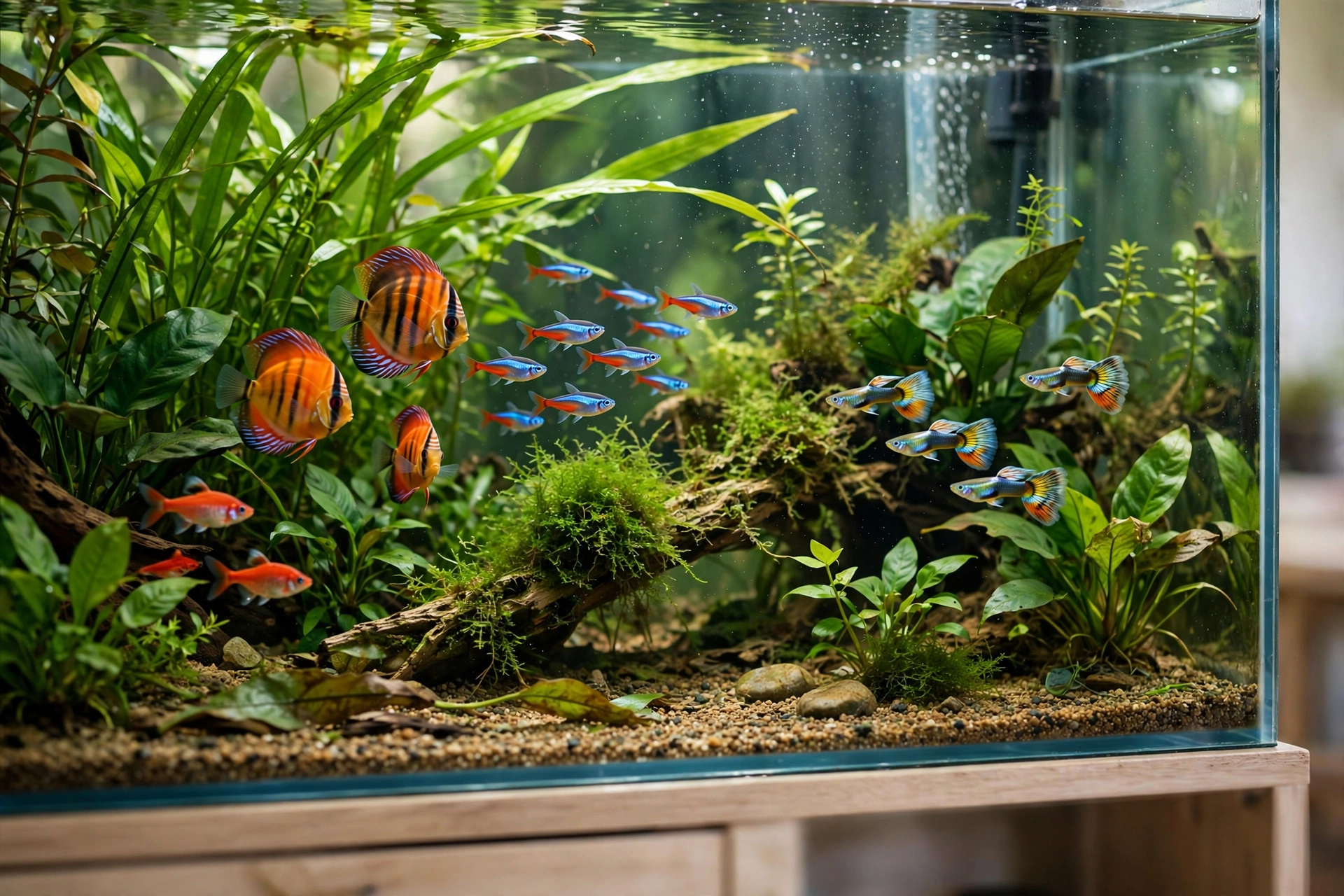
Most healthy tropical fish can go 3 to 5 days without food with no harm, and many sturdy adult species survive 1 to 2 weeks without eating. Small fry, saltwater fish, and sick fish have far less margin, sometimes under 48 hours. The exact limit depends on species, age, water temperature, and overall health.
Every fish keeper faces this question eventually: a weekend trip, a business flight, a family emergency. Fish are not like dogs; they do not need daily meals the way mammals do, and most aquarium species evolved to handle irregular feeding in the wild. That said, “they will be fine” has limits, and the difference between a long weekend and a two-week vacation is the difference between doing nothing and setting up a feeding plan. Here is the full breakdown by species, plus vacation strategies that actually work.
The General Rule: 3 to 5 Days Is Safe
For a healthy adult tropical freshwater fish in a mature, cycled tank, 3 to 5 days without food is completely safe. During a short fast, fish slow their metabolism and draw on fat reserves and glycogen stored in the liver. Many experienced aquarists intentionally skip feeding one day per week as a routine practice, and fish show no ill effects.
Water temperature matters. Fish are cold-blooded, so warmer water raises their metabolic rate and burns reserves faster. A tank at 78 to 80 degrees Fahrenheit, typical for tropical community fish, shortens the safe fasting window compared with a cooler 72-degree tank. If you will be away in summer and the tank runs warm, plan more conservatively.
One underappreciated fact: a mature planted tank is never truly food-free. Fish graze on algae, biofilm, microorganisms, and even tiny invertebrates living in the substrate and on plant leaves. A well-established tank functions like a slow-release pantry, which is why fish in planted tanks handle absences far better than fish in bare tanks.
How Long by Species
Bettas
Healthy adult bettas handle 5 to 7 days without food, and many survive 10 to 14 days, because they are sedentary ambush predators with slow metabolisms. That said, bettas kept in tiny unfiltered bowls have less margin than bettas in heated, filtered 5-gallon tanks, since poor water quality compounds fasting stress. A week is fine; two weeks is pushing it.
Goldfish
Goldfish are the marathon fasters of the aquarium world. Healthy adults in cool water can go 2 to 3 weeks without food, drawing on substantial body reserves. This makes sense: goldfish are temperate fish whose wild ancestors survived winters with almost no food. Do not test the upper limit deliberately, but a 10-day vacation is a non-issue for an adult goldfish in a properly sized, filtered tank.
Cichlids
Most medium and large cichlids, such as Oscars, Jack Dempseys, and African cichlids, handle 1 to 2 weeks without food thanks to their size and robust build. Large Oscars over 8 inches have gone 3 weeks in documented cases, though that is not something to aim for. Small dwarf cichlids like German blue rams have faster metabolisms and should not go beyond 4 to 5 days.
Small community fish: tetras, guppies, rasboras, danios
These little fish run hot metabolically. Three to 5 days is safe, and a week is the reasonable maximum for healthy adults. They benefit enormously from a planted tank’s natural grazing, and a tank full of live plants can stretch their comfort zone noticeably.
Fry and juvenile fish
Fry are the exception to every fasting rule. Baby fish under a month old need food multiple times daily and can starve in 24 to 48 hours without it. If you keep breeding tanks with fry, you must arrange daily feeding by a person or an automatic feeder; there is no safe “skip” option for fry.
Plecos and algae eaters
Common plecos and bristlenose plecos graze constantly on algae, driftwood, and biofilm, so they barely notice a missed week of prepared food. They are among the easiest fish to leave unfed. Just make sure driftwood is present for species that need it for digestion.
Saltwater fish
Marine fish generally tolerate fasting less well than freshwater fish. Most reef-safe species handle 3 to 4 days, but beyond a week the risk rises, partly because saltwater systems are less forgiving of the water-quality swings that follow resumed feeding. Arrange care for any saltwater absence longer than 4 to 5 days.
Vacation Feeding Strategies That Work
Match the strategy to the length of your absence.
Weekend to 5 days: do nothing special
Feed normally the day you leave, do a partial water change of 25 to 30 percent, and walk away. Resist the urge to dump in extra food “to tide them over.” Uneaten food rots, spikes ammonia, and does far more damage than a short fast. Fish handle the absence; dirty water they do not.
One week: prep the tank and consider a feeder
Do a water change, clean the filter gently in old tank water, set lights on a timer, and fill an automatic feeder as backup. Test the feeder for 3 to 4 days before you leave so you can confirm it dispenses the right amount. A reliable automatic feeder costs 25 to 45 dollars, and the Eheim-style drum feeders are the long-standing favorite among US hobbyists for their consistency.
Two weeks or more: get a human
For long absences, nothing beats a fish sitter. Pre-portion each day’s food into a labeled pill organizer or small zip bags, one compartment per day, and hide the main food containers. This prevents the classic disaster of a well-meaning sitter dumping in a week’s worth of food at once. Leave written instructions covering feeding amounts, the light timer, and your phone number, plus the number of a local fish store in case of equipment failure.
Automatic Feeders: Pros, Cons, and Setup
Automatic feeders work well for dry foods like flakes and pellets but cannot handle frozen or live food. Their weakness is moisture: humidity from the tank can clump food in the drum and jam the mechanism. Mount the feeder so it sits away from splashing, and use it only with dry food. Run it for several days before your trip, checking that portions are small and consistent. Overfeeding by machine is just as dangerous as overfeeding by hand, so set portions slightly smaller than your normal feeding.
Vacation Food Blocks: Use With Caution
Those white plaster “vacation feeder” blocks sold for a few dollars at pet stores have a bad reputation among experienced keepers, and much of it is earned. They dissolve inconsistently, often fouling the water with a cloudy mess while releasing little actual nutrition, and they can swing pH and hardness. Gel-based slow-release feeders are somewhat better but still unreliable. If you use any dissolving block, test it in a bucket first and never rely on one for more than a week. An automatic feeder or a human sitter beats a food block in almost every situation.
Fasting Before Shipping and Medication
Fish are deliberately fasted for 24 to 48 hours before shipping, and this is standard professional practice, not neglect. An empty digestive tract means less waste in the shipping bag, which keeps ammonia down during transit. Breeders and stores across the US fast fish before bagging them for exactly this reason. Similarly, many parasite and bacterial treatments work better on an empty gut, and vets often recommend a 24-hour fast before medicating. Short, intentional fasts are a normal tool in fish keeping.
Signs Your Fish Went Too Long Without Food
When you return, look for a noticeably pinched or sunken belly, faded coloration, lethargy, and aggressive food-guarding at the next feeding. Resume feeding gradually: offer a small meal, wait a few hours, then feed normally the next day. A starved fish gorging on a huge meal can suffer digestive bloat, so restraint on day one matters. If a fish refuses food for more than a day after your return, check water parameters first, since ammonia spikes from a malfunctioning filter are a more common post-vacation killer than hunger.
Further Reading
- How Long Can a Cat Go Without Peeing? (2026) Vet Guide
- How Many Fish in a 20 Gallon Tank? Complete Answer (2026)
- How to Tell How Old a Kitten Is: Step-by-Step Guide (2026)
- Humane Society of the United States
- ASPCA’s pet care resources
Frequently Asked Questions
How long can fish go without food on vacation?
For a typical vacation of up to 5 days, most healthy tropical fish need no special feeding arrangements at all. For 7 to 10 days, set up a tested automatic feeder costing 25 to 45 dollars. For two weeks or longer, arrange a human sitter with pre-portioned daily food, since no device reliably replaces a person over long stretches.
Can fish survive two weeks without food?
Many can. Adult goldfish, large cichlids, bettas, and plecos routinely survive two weeks without prepared food, especially in mature planted tanks where they graze on algae and microorganisms. Small tetras, guppies, fry, and most saltwater fish should not be left that long without a feeding plan.
Should I use a vacation food block for my fish?
It is better to skip them. Dissolving vacation blocks frequently cloud the water and alter chemistry while providing little nutrition. A tested automatic feeder or a sitter with pre-portioned food is safer and more reliable for any absence longer than a few days.
Do I need to feed my fish every day?
Adult fish do fine with feeding once daily, and many keepers intentionally skip one day per week with no ill effects. Fry under a month old are the exception and need multiple small feedings every day. Consistency of amount matters more than frequency: overfeeding pollutes the tank faster than any feeding schedule helps.
Conclusion
Most tropical fish can go 3 to 5 days without food without any problem, and hardy adults like goldfish, bettas, and cichlids stretch to 1 to 2 weeks. Plan by the calendar: under 5 days needs nothing but a water change, a week calls for a tested 25 to 45 dollar automatic feeder, and anything longer deserves a sitter with pre-portioned meals. Skip the dissolving food blocks, never overfeed before you leave, and your fish will greet you healthy when you get home.