
 By admin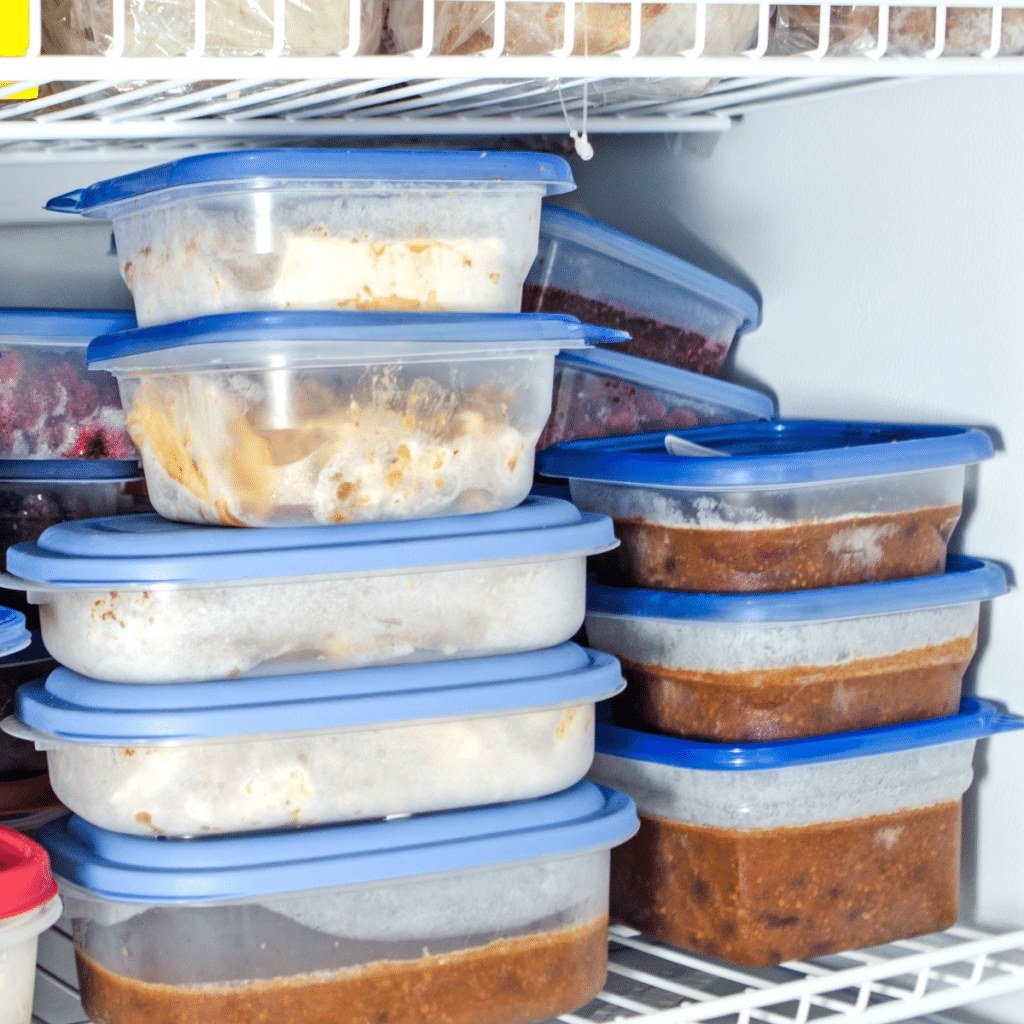
Your freezer is either a treasure chest of future dinners or a graveyard of frostbitten mysteries — and the difference is entirely about how you freeze things. I’ve pulled too many sad, freezer-burned containers from the back of my freezer to pretend I always knew what I was doing. But freezing leftovers well is a genuine money-saving superpower: the average American family throws away hundreds of dollars of food a year, and most of it could have been frozen on day one.
Freezing doesn’t kill flavor — bad freezing technique does. Here’s how to do it right.
The Golden Rules of Freezing
1. Cool it fast, freeze it fast
Don’t put steaming-hot food directly in the freezer — it raises the freezer’s temperature and partially thaws everything around it. But don’t leave it on the counter for hours either. The safe window: get food from hot to room temperature within 2 hours (spread it in a shallow container to cool faster), then into the fridge or freezer. Divide big pots of soup or chili into smaller containers — a giant vat cools dangerously slowly in the middle. The FoodSafety.gov guidelines are clear that the 2-hour rule is about safety, not just quality.
2. Air is the enemy
Freezer burn isn’t a safety issue — it’s dehydration. Air exposure draws moisture out of food, leaving dry, discolored patches that taste like cardboard. Every freezing method below is really just a different way of eliminating air:
- Zip-top freezer bags: Fill, then press out every bit of air before sealing. The water-displacement trick works brilliantly: lower the almost-sealed bag into a bowl of water, letting water pressure push the air out, then seal. Lay bags flat to freeze — they stack like files and thaw in half the time.
- Containers: Leave 1/2 to 1 inch of headspace for expansion (liquids expand when frozen — skip this and you’ll have cracked containers), but no more. Press plastic wrap directly onto the surface of soups and stews before lidding for extra protection.
- Vacuum sealer: The gold standard if you freeze a lot. Removes nearly all air, extends freezer life significantly. Worth the $60-80 investment if you’re serious about batch cooking.
3. Portion before freezing
Freeze in the portions you’ll actually eat. A gallon of chili in one container means thawing a gallon of chili. Individual or two-person portions in separate bags mean you can grab exactly what you need. I freeze soups in 2-cup portions (one generous serving), sauces in 1-cup portions, and cooked grains in 1-cup portions. Label everything with the contents and date — frozen mystery bags get thrown out, labeled ones get eaten.
4. Label everything
Masking tape and a Sharpie. Contents + date. Every time. You will not remember what that red frozen block is in three weeks. (It’s marinara. Or is it chili? You’ll never know, and you’ll throw it out.) Dating matters because everything has a freezer lifespan.
How Long Things Last in the Freezer
- Soups and stews: 2 to 3 months at peak quality
- Cooked meat and poultry: 2 to 6 months (whole chicken pieces last longer than ground meat)
- Casseroles: 2 to 3 months
- Cooked rice and grains: 1 to 2 months
- Bread and baked goods: 3 months
- Pizza: 1 to 2 months — and yes, reheating frozen pizza works great straight from frozen
- Butter: 6 to 9 months
These are quality timelines, not safety deadlines — frozen food kept at 0°F stays safe indefinitely, but texture and flavor degrade over time. When in doubt, the sniff and visual check after thawing never lies.
What Freezes Well (and What Doesn’t)
Freezes beautifully: Soups, stews, chili, braised meats, cooked beans, rice, pasta sauce, bread dough, muffins, cooked shredded chicken, casseroles.
Freezes poorly: Cream-based soups (they can separate — freeze before adding cream, then add it when reheating), raw potatoes (grainy and watery when thawed), fresh herbs as garnish (freeze them in oil in ice cube trays instead), fried foods (lose all crispness), hard-boiled eggs (rubbery whites), and anything with a delicate emulsion like mayonnaise.
The pasta exception: Pasta in soup gets mushy when frozen and reheated. If you’re freezing soup that contains pasta, freeze the soup base without the pasta and cook fresh pasta when you reheat. Your future self will taste the difference.
Thawing Done Right
The three safe thawing methods, in order of preference:
- In the fridge overnight. The gold standard. Plan ahead — a 2-cup soup portion thaws in 8 to 12 hours.
- In cold water. Sealed bag in a bowl of cold water, changed every 30 minutes. A flat-frozen soup bag thaws in about an hour this way.
- In the microwave. Use the defrost setting and cook immediately after. Uneven thawing means some spots start cooking while others stay frozen — fine for soup you’re about to simmer, bad for anything else.
Never thaw on the counter. Room-temperature thawing lets the outer layers sit in the bacterial danger zone (40-140°F) while the center stays frozen. And never refreeze thawed raw meat — cook it first, then you can refreeze the cooked dish.
For the specific case of meat, defrosting meat safely deserves its own detailed read — the stakes are higher with raw protein.
Best Way to Freeze Leftovers: Quick Answers
How long can food stay frozen safely? Indefinitely at 0°F — freezing pauses bacterial growth entirely. But quality degrades: soups and stews are best within 2-3 months, cooked meats within 2-6 months, bread within 3 months. Label everything with the date.
What is freezer burn and is it safe? Freezer burn is dehydration from air exposure — dry, discolored patches that taste like cardboard. It’s a quality issue, not a safety issue. Prevent it by eliminating air: press it out of zip-top bags, or use a vacuum sealer.
Can you freeze food twice? Raw meat thawed in the fridge can be refrozen without cooking. Meat thawed by any other method must be cooked first, then the cooked dish can be frozen. When in doubt, cook it, then freeze it.
What foods should never be frozen? Cream-based soups (they separate — add cream after reheating), raw potatoes (grainy when thawed), fried foods (lose all crispness), hard-boiled eggs (rubbery), and mayonnaise-based salads. Most everything else freezes fine with proper technique.
Practical Takeaway
Freeze leftovers like you mean it: cool within 2 hours, portion into meal-sized servings, eliminate air (flat zip-top bags are the MVP method), label with contents and date, and thaw in the fridge overnight. Avoid freezing cream soups, raw potatoes, and pasta-in-soup. Do this consistently and your freezer becomes a personal meal-delivery service — one that saves you hundreds of dollars a year and rescues countless “I don’t feel like cooking” weeknights.