
 By admin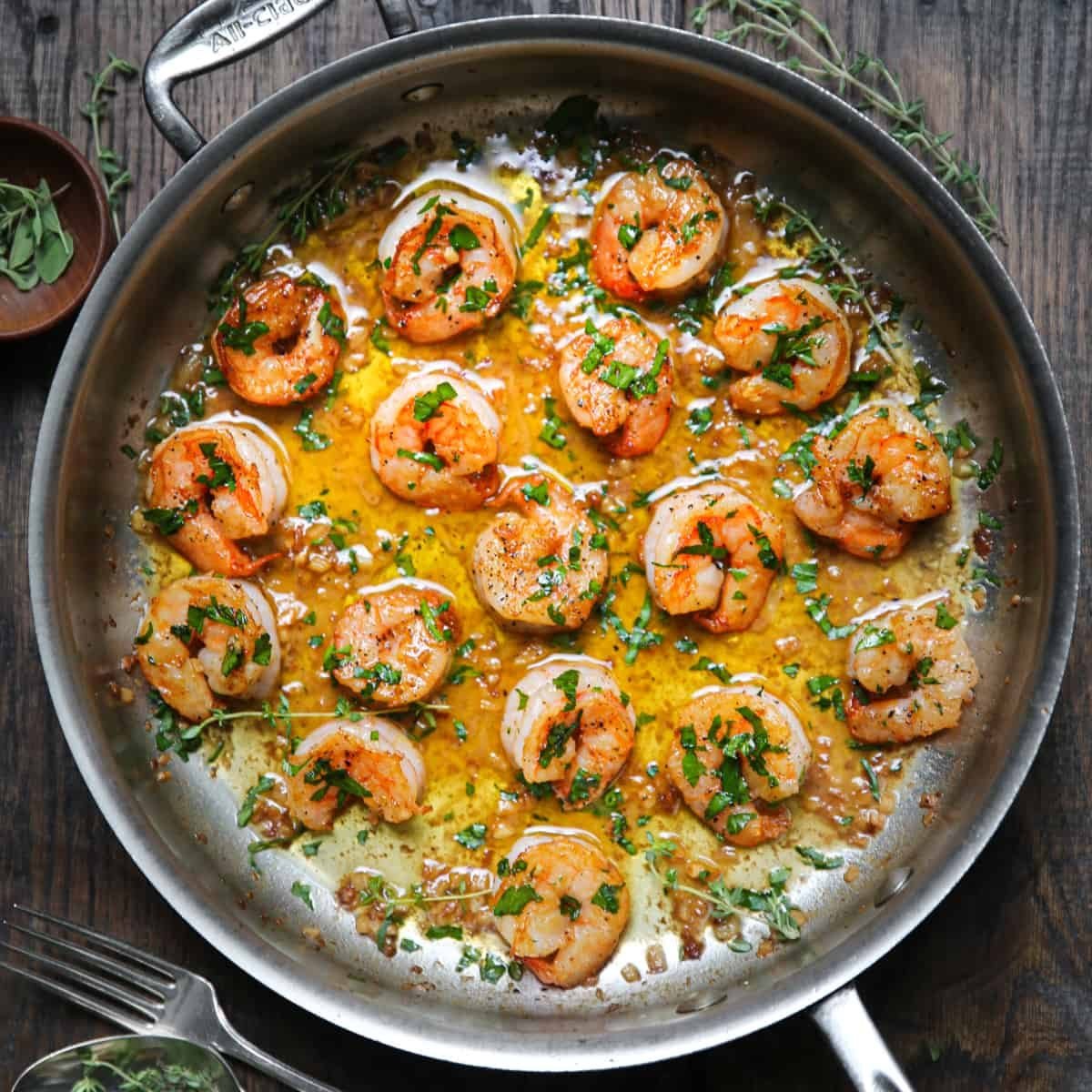
Shrimp go from perfectly cooked to rubbery in about 60 seconds. It’s one of the narrowest doneness windows in all of cooking, which is why so many home cooks serve shrimp that bounce like pencil erasers. I’ve done it more times than I’ll admit — usually because I walked away “for just a second” or tried to cook them the way I’d cook chicken. Shrimp aren’t chicken. They’re fast, delicate, and they punish inattention.
The good news: once you know the visual cues and the timing, perfectly cooked shrimp — snappy, juicy, sweet — are among the easiest proteins to nail. Here’s the complete method.
Know What Perfectly Cooked Shrimp Look Like
Forget timers for a second and learn to read the shrimp. Raw shrimp are translucent gray-blue (or gray, depending on variety). As they cook, they turn opaque pink-white and curl. The curl is your doneness gauge:
- Slight C shape: Perfectly cooked. Tender, juicy, snappy. This is the target.
- Tight O shape (curled into a full circle): Overcooked. The proteins have seized up and squeezed out moisture. Still edible, but rubbery.
- Still translucent in spots: Undercooked. Give them another 30 seconds.
“C is for cooked, O is for overcooked” — it’s a cheesy mnemonic, but it works, and I’ve never forgotten it.
The Method: Hot, Fast, and Uncrowded
Shrimp cook in 2 to 4 minutes total. The method that works best is a ripping-hot skillet with a little oil, shrimp in a single uncrowded layer, about 90 seconds per side. Here’s the detailed play:
- Prep the shrimp. Peel and devein (or buy them that way — worth the small upcharge). Pat them very dry with paper towels. Moisture is the enemy of searing; wet shrimp steam instead of searing and never develop that golden edge.
- Season simply. Salt, pepper, maybe garlic powder or paprika. Shrimp are delicate — heavy seasoning overwhelms them. A squeeze of lemon after cooking beats most spice blends.
- Get the pan hot. Medium-high heat, a tablespoon of oil with a high smoke point. The pan should be hot enough that a shrimp sizzles aggressively on contact.
- Single layer, don’t crowd. This is the rule people break most. Crowded shrimp drop the pan temperature and steam in their own liquid. Cook in batches if needed — each batch takes 3 minutes, so it’s not a big delay.
- 90 seconds per side, then out. Flip once when the first side is pink and lightly golden. The second side needs even less time. Pull them the moment they hit that C shape — carryover cooking will finish the job.
Brining: The Pro Trick for Plump Shrimp
Here’s something most home cooks don’t know: a quick 15-to-30-minute brine in salted water (1 quart water + 1/4 cup kosher salt + 2 tablespoons sugar) makes shrimp noticeably plumper and juicier, and gives you a wider margin of error on timing. The salt helps the proteins retain moisture during cooking. It’s the same principle behind brining chicken, just faster. Rinse and pat dry after brining. This is especially valuable for smaller shrimp, which overcook fastest.
Cooking Method Variations
- Grilling: Thread shrimp on skewers (or use a grill basket) so they don’t fall through the grates. Medium-high heat, 2 minutes per side. Skewers also make flipping ten shrimp at once trivial.
- Boiling (for shrimp cocktail): Bring well-salted water to a boil with lemon halves and bay leaves, add shrimp, and cook just until pink — 2 to 3 minutes depending on size. Immediately transfer to an ice bath to stop the cooking. The ice bath is non-negotiable; without it, carryover turns them rubbery.
- Baking: 400°F for 6 to 8 minutes on a sheet pan. Easiest for large batches, though you sacrifice some sear.
- From frozen: You can cook shrimp straight from frozen — just add 1 to 2 minutes and expect more liquid in the pan. Thawing under cold running water for 10 minutes gives better results if you have the time.
Food Safety Basics
Shrimp should be cooked to 145°F internally, though most cooks rely on the visual cues above. More important for safety: thaw frozen shrimp in the fridge or under cold running water (never on the counter), and don’t leave cooked shrimp at room temperature for more than 2 hours. The FoodSafety.gov guidelines cover seafood handling in detail if you want the full official rundown.
Common Mistakes
- Walking away. Shrimp need your full attention for 4 minutes. Don’t answer the phone, don’t chop the garnish. Stay at the stove.
- Cooking them twice. If your shrimp are going into a pasta or stir-fry with sauce, undercook them slightly in the pan — they’ll finish cooking in the hot sauce. Fully cooking them first, then simmering in sauce, is how you get erasers.
- Skipping the pat-dry. Wet shrimp + hot pan = steamed, gray, sad shrimp. Paper towels are your friend.
- Buying pre-cooked shrimp for hot dishes. Pre-cooked shrimp reheated in a hot dish will always be overcooked. Buy raw for anything served hot; save pre-cooked for cold applications like cocktail or salads.
Cook Shrimp without Overcooking Them: Quick Answers
How do you know when shrimp are done? They turn from translucent gray to opaque pink-white and curl into a loose “C” shape. C is for cooked; a tight “O” circle means overcooked. Pull them at the C — carryover heat finishes the job.
How long do shrimp take to cook? Two to four minutes total — about 90 seconds per side in a hot skillet. It’s one of the fastest proteins there is, which is exactly why they overcook so easily. Stay at the stove; don’t walk away.
Should I buy fresh or frozen shrimp? Frozen, honestly — most “fresh” shrimp at the counter was previously frozen anyway. Frozen shrimp are processed fast and taste great. Thaw under cold running water for 10 minutes, or cook straight from frozen adding 1-2 minutes.
What temperature is shrimp safe to eat? 145°F internally. But most cooks rely on the visual cues (pink, opaque, C-shaped) since shrimp cook too fast for constant temping. When in doubt on thick pieces, check with an instant-read thermometer.
Practical Takeaway
Perfect shrimp = dry shrimp + ripping-hot pan + single layer + 90 seconds per side + pull at the C shape. Brine for 20 minutes if you want insurance. Never walk away, never cook them twice, and always pat dry. Nail this and shrimp become your fastest weeknight protein — dinner in under 10 minutes, faster than delivery and twice as good. Toss them into homemade pasta sauce at the very end for an easy shrimp marinara that tastes like a restaurant dish.
[…] Frozen shrimp (add 1-2 minutes — see how to cook shrimp without overcooking) […]