
 By admin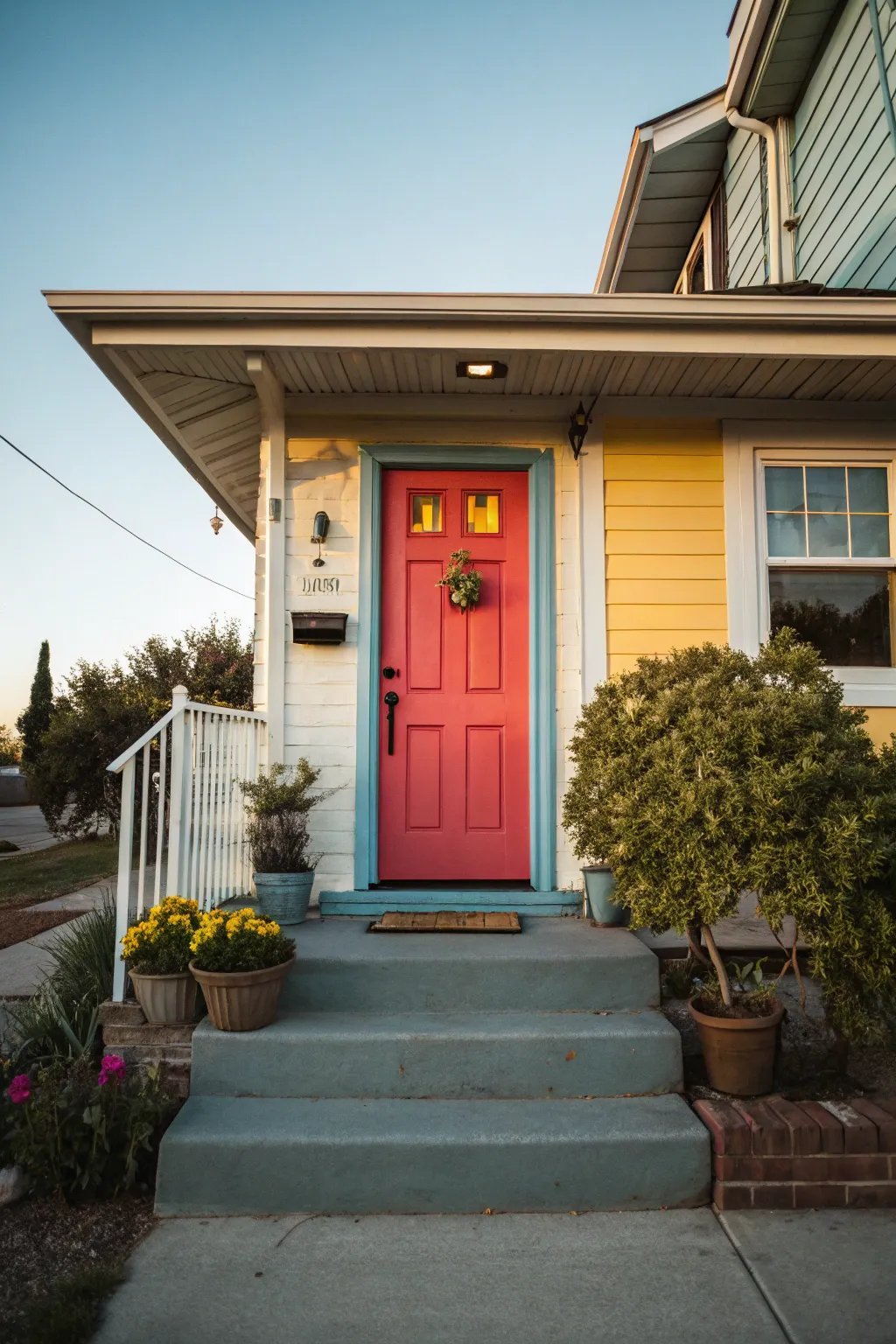
The front door is the handshake of your house — it’s the first thing visitors touch and the last thing you see when you leave. A quart of paint ($30) and an afternoon can transform your entire home’s exterior. But standing in the paint aisle, the options are paralyzing. So what color should you paint your front door? Let’s make this decision simple.
The Can’t-Go-Wrong Classics
These work on virtually any house, any style, any neighborhood:
Black
The most universally flattering front door color. Black is timeless, sophisticated, and makes every house look more expensive — it works with brick, siding, stone, white, gray, beige, everything. If you’re paralyzed by choice, paint it black. You won’t regret it. (Use a soft black rather than pure jet black for a richer look.)
Deep red
The traditional welcome color — warm, classic, inviting. Brick reds suit colonial and traditional homes; brighter cherry reds add energy to cottages and bungalows. In many cultures red doors symbolize welcome and good fortune, which is a nice story to tell guests.
Navy blue
The modern classic. Navy reads as both traditional and contemporary — it pairs beautifully with white trim, gray siding, and brick. Darker navies (almost ink) are more versatile than brighter blues.
Charcoal / deep gray
Black’s softer cousin. All the sophistication, slightly less stark. Excellent with modern farmhouses, gray siding, and stone facades.
When to Go Bold
Bold doors work when the rest of the house is quiet. If your siding is white, beige, or gray, the door can carry real color:
- Sunny yellow: cheerful and welcoming on cottages, colonials, and farmhouses. Needs confidence — and a house that can handle the energy.
- Teal/turquoise: coastal charm that also works surprisingly well on brick. The current darling of door colors.
- Forest green: traditional, grounded, gorgeous with brick and stone. Think English countryside.
- Coral/orange: mid-century modern homes were made for this. Fun, retro, full of personality.
The rule: one bold element. Bold door + quiet house = charming. Bold door + bold shutters + bold trim = chaos.
How to Choose for YOUR House
Work through these in order:
- What’s your home’s style? Traditional homes (colonial, craftsman, Victorian) suit classic colors — black, red, green, navy. Modern and mid-century homes can handle bolder choices.
- What’s the fixed palette? Your brick, stone, roof, and siding aren’t changing. The door must harmonize with them. Red brick + green door = classic. Gray siding + yellow door = cheerful. When in doubt, pull a color from existing elements (shutters, stone accents).
- What’s the neighborhood norm? You don’t need to match everyone, but a neon pink door in a street of navy and black will affect resale. Bold is fine; alien is risky.
- Which direction does it face? South and west-facing doors get brutal sun — dark colors fade faster and absorb heat (which can warp some door materials). Factor in more frequent repainting for dark colors on sunny exposures.
The Finish and Paint Matter
- Use exterior-grade paint — interior paint will fail outdoors within a year.
- Satin or semi-gloss finish — front doors take abuse; higher sheen is more durable and wipeable. High-gloss is the traditional premium look but shows every imperfection.
- Prep properly: clean, lightly sand glossy existing paint, prime bare wood. The paint job lasts only as long as the prep.
- Remove the hardware (or tape meticulously) — painted-over hinges and handles look terrible up close.
Test It First
Buy sample quarts ($5–$8) and paint large swatches on poster board. Hold them up to the door in morning, midday, and evening light — colors shift dramatically. Live with the finalists for a couple of days. This $15 step prevents the most common regret in exterior painting.
A freshly painted door pairs perfectly with the other high-impact updates in our guide to improving curb appeal on a budget — door, hardware, house numbers, and lighting together transform an entry for under $200.
Painting a Door That Lasts: The Technique
Color choice gets the attention, but technique determines whether it still looks good in three years:
- Remove the door. Seriously — painting a door on sawhorses is dramatically easier and better than painting it hanging. Remove the hardware, lay it flat. Label the hinge positions with tape.
- Clean and sand. Wash with TSP substitute, then sand glossy existing paint with 150-grit — you’re scuffing for adhesion, not stripping to wood (unless the old paint is failing).
- Prime bare spots. Any bare wood or filled areas get exterior primer. If changing from dark to light, prime the whole door.
- Two thin coats, not one thick. Thin coats level smooth and cure hard; thick coats sag and stay soft. Use a high-density foam roller for flat panels and a quality angled brush for details and edges.
- Paint the edges. Top, bottom, and sides get painted too — unpainted edges absorb moisture and swell. (The bottom edge is the one everyone forgets, and it’s the most moisture-exposed.)
- Rehang after 24–48 hours, but treat gently for 2–3 weeks while the paint fully cures. Don’t slam it; don’t hang the wreath yet.
Weather matters: paint between 50–85°F with low humidity. Never paint in direct hot sun (it dries too fast and laps show) or when rain is expected within 24 hours. A mild, overcast day is ideal — which is another reason spring and fall are door-painting season.
What About the Rest of the Entry?
The door doesn’t work alone. Once it’s painted, complete the entry: update house numbers to a modern, readable style ($20–$40 — oversized numbers are the current classic), add a new welcome mat ($25), install a coach light or update the existing fixture ($40–$80), and place one large planter (not three small ones) with seasonal color by the door. Total: under $150. The door is the star; these are the supporting cast that makes it look intentional instead of isolated.
Complete the entry transformation with our guide to improving curb appeal on a budget, and see This Old House’s exterior painting guides for exterior prep techniques that make paint last.
The Bottom Line
What color should you paint your front door? If you want safe: black, deep red, navy, or charcoal — they flatter every house. If you want personality: match a bold color to your home’s style and keep everything else quiet. Test samples in real light, use exterior satin paint, and prep properly. It’s $30 and an afternoon for the highest-visibility change you can make to your home’s exterior. Choose the color that makes you smile when you pull into the driveway — you earned it.