
 By admin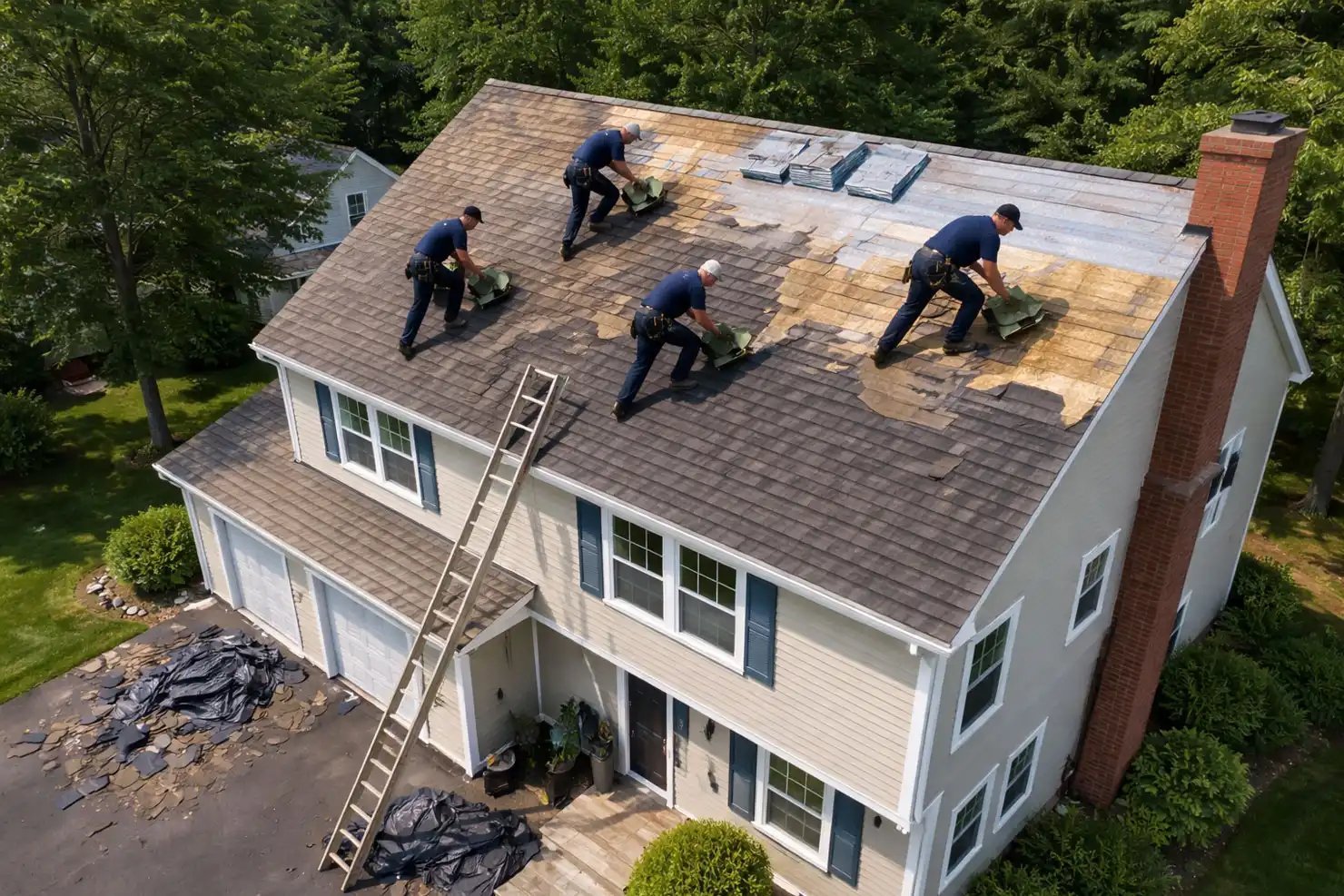
A roof replacement is the most expensive single project most homeowners ever face — and the one with the least room for error. Get it wrong and you’re looking at leaks, callbacks, and doing it again in 12 years instead of 25. So how much does it cost to replace a roof? The range is wide, but the factors that move the number are understandable once someone explains them plainly.
The Quick Answer
Most US homeowners pay $8,000–$15,000 for a full roof replacement on an average single-family home (about 1,700–2,000 sq ft of roof). The national average sits around $10,000–$12,000. But the real range runs from $5,000 (small, simple roof, basic shingles, low-cost market) to $30,000+ (large, steep, complex roof, premium materials, high-cost market).
Roofers price by the “square” — one square = 100 sq ft. An average home needs 17–22 squares.
Cost by Roofing Material
Material choice is the biggest cost lever:
- Asphalt shingles (3-tab): $3.50–$5.50/sq ft installed. Cheapest, 15–20 year lifespan. The budget option — fine, but architectural shingles cost only slightly more and last much longer.
- Architectural asphalt shingles: $4.50–$7.50/sq ft installed. The sweet spot for most homes — 25–30 year lifespan, better wind resistance, nicer look. This is what most replacements use.
- Metal roofing: $8–$16/sq ft installed. 40–70 year lifespan, excellent in snow/hail country, energy-efficient. High upfront cost, lowest lifetime cost.
- Clay/concrete tile: $10–$20/sq ft installed. Beautiful, 50+ year lifespan — but heavy (may need structural reinforcement) and expensive.
- Wood shake: $7–$14/sq ft installed. Gorgeous, 20–40 year lifespan, but high maintenance and restricted by fire codes in many areas.
- Slate: $15–$30/sq ft installed. The 100-year roof. Stunning and essentially permanent — at a price that reflects it.
What Drives the Price Up (Beyond Materials)
- Roof size and complexity: More squares = more money, obviously. But complexity matters as much: steep pitches, multiple valleys, dormers, and skylights all add labor.
- Tear-off layers: Removing old roofing costs $1–$2/sq ft per layer. Two layers of old shingles doubles the tear-off cost — and some jurisdictions require full tear-off rather than overlay.
- Decking repairs: Rotten plywood discovered during tear-off runs $2–$5/sq ft to replace. Budget a 10% contingency for this.
- Location: Labor rates in the Northeast and West Coast run 30–50% higher than the Southeast and Midwest.
- Accessibility: Multi-story homes and roofs that are hard to access cost more in labor.
How to Hire Right (This Matters More Than Price)
Roofing has more scam artists than almost any trade — storm chasers, door-knockers, cash-only deals. Protect yourself:
- Get 3–5 quotes from established local companies with physical addresses.
- Verify license and insurance — workers’ comp and liability. Ask for certificates, not promises.
- Check manufacturer certifications (GAF Master Elite, Owens Corning Preferred) — these qualify you for better warranties.
- Never pay more than 10–15% upfront. Full payment upfront is a red flag.
- Get everything in writing: materials (brand and model), tear-off scope, decking replacement terms, cleanup, warranty details.
Our guide to finding a reliable contractor covers the vetting process in detail — roofing is where it matters most.
Repair vs. Replace: The Threshold
Not every aging roof needs replacement. Repair when: the roof is under 15 years old, damage is localized (a few missing shingles, one leak), and the decking is sound. Replace when: the roof is 20+ years old, you’re repairing the same areas repeatedly, shingles are curling/cracking across large sections, or you’re seeing daylight through the boards in the attic.
The Department of Energy’s roofing guide also covers cool-roof options that cut cooling costs — worth considering if you’re replacing anyway, especially in hot climates.
Timing and Insurance
Insurance may cover replacement after storm damage (hail, wind, fallen trees) — but not wear and tear. If a storm hit, get an inspection and file promptly; most policies have filing deadlines. Timing: late spring through fall is roofing season; you may get better pricing in late fall or early spring when crews are less booked.
Roof Maintenance That Extends Its Life
Whether your roof is new or aging, these habits add years:
- Clean the gutters twice a year. Clogged gutters back water up under shingles — the #1 preventable cause of roof leaks. Spring and late fall, every year, no exceptions.
- Trim overhanging branches. Branches scrape shingles in wind, drop debris that traps moisture, and give squirrels a highway to your attic. Keep limbs 6–10 feet from the roof.
- Remove moss and algae. Moss lifts shingles and traps moisture; algae (the black streaks) is cosmetic but indicates moisture retention. Zinc strips near the ridge prevent regrowth — $30 and an hour on a ladder.
- Check flashing annually. The metal around chimneys, vents, and valleys is where most leaks start — not the shingles themselves. Look for rust, gaps, or lifted edges from the ground with binoculars, or during gutter cleaning.
- Attic check twice a year. Look for daylight through the boards, water stains, and damp insulation. Catching a small leak in the attic beats discovering it as a ceiling stain — by months and thousands of dollars.
- Don’t pressure wash shingles. It strips the protective granules and voids warranties. Gentle chemical treatment for moss, never high pressure.
A $200/year maintenance habit on a $12,000 roof is the cheapest insurance in homeownership — it’s the difference between replacing at year 22 and replacing at year 30.
Roof Warranties: What Actually Matters
Two warranties cover your roof: the manufacturer’s (20–50 years on shingles, but prorated and full of exclusions — read the fine print on wind ratings and installation requirements) and the contractor’s workmanship warranty (this is the one that actually protects you — 5–10 years from a reputable roofer). Manufacturer “enhanced” warranties (like GAF Golden Pledge) are only valid when installed by certified contractors — another reason to hire certified. Get both warranties in writing, and understand that most roof failures are installation failures, not material failures.
A new roof is also the right moment to think about the rest of the envelope — our guide to making your home more energy efficient covers the attic and air-sealing work that pairs with it.
The Bottom Line
How much does it cost to replace a roof? $8,000–$15,000 for most homes with architectural shingles, with material choice and roof complexity moving the number most. Get 3–5 quotes from established local roofers, verify insurance, never pay in full upfront, and budget 10% contingency for decking surprises. It’s the most expensive project you’ll do — which is exactly why the cheapest bid from a door-knocker is the most expensive mistake you can make.
[…] rules apply whether you’re hiring for a roof replacement, a bathroom remodel, or any major project. And for smaller jobs, our guide to what to do before […]