
 By admin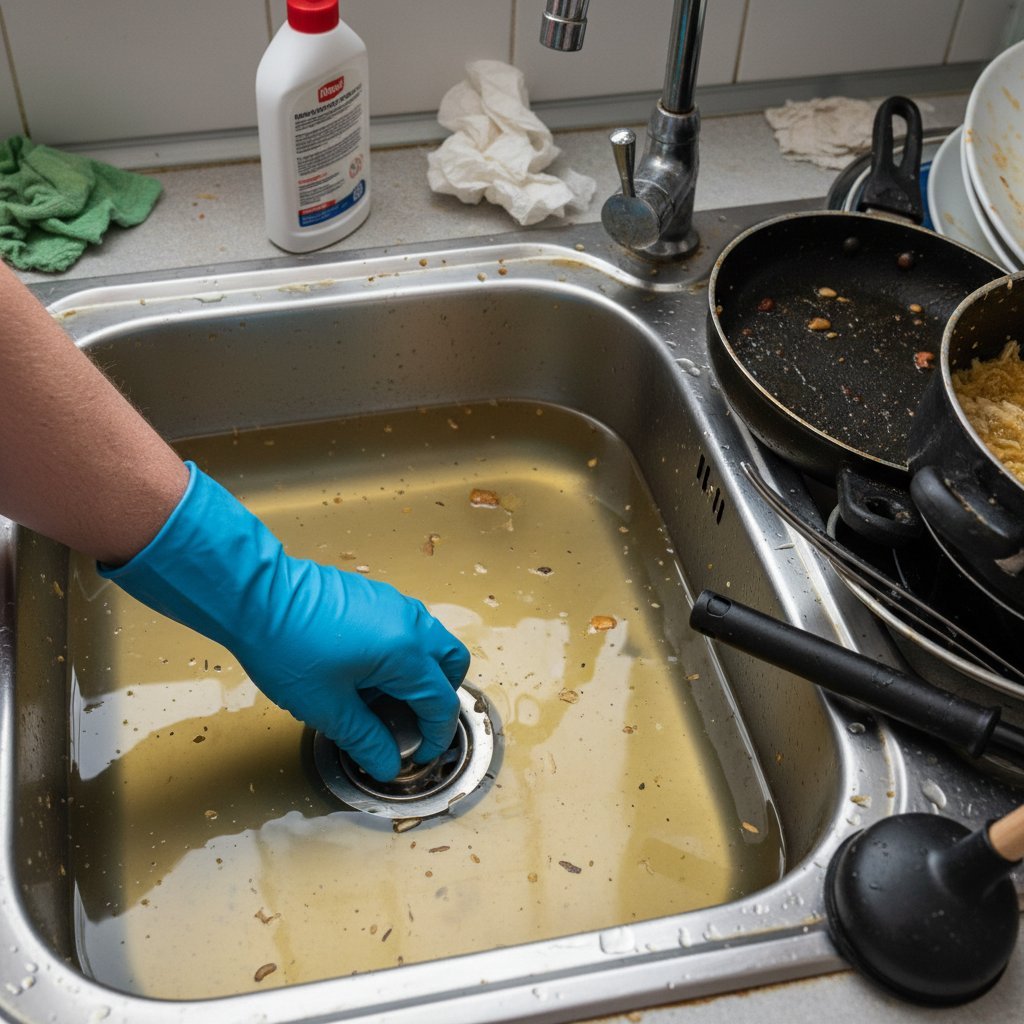
Water’s pooling in the shower. The kitchen sink drains like it’s thinking about it. Your first instinct is the bottle of drain cleaner under the sink — but those harsh chemical cleaners are brutal on pipes (especially older ones), terrible for septic systems, and genuinely dangerous to handle. The good news: you can unclog a drain without harsh chemicals using methods that are cheaper, safer, and often more effective.
Start With the Simplest Fix: Boiling Water
For slow drains caused by soap scum and grease (bathroom sinks and kitchen sinks especially), start here: boil a kettle of water and pour it slowly down the drain in stages. Grease liquefies, soap dissolves, and many minor clogs clear with nothing else. Don’t use boiling water on PVC pipes if it’s a full rolling boil — very hot (not boiling) water is safer for plastic plumbing. Porcelain sinks can crack from extreme temperature shock, so pour directly into the drain, not onto the basin.
The Baking Soda and Vinegar Method
This is the classic for a reason — it works on mild to moderate clogs:
- Pour 1/2 cup of baking soda directly into the drain.
- Follow with 1/2 cup of white vinegar.
- Cover the drain with a stopper or rag to keep the fizzing reaction directed downward.
- Wait 15–30 minutes.
- Flush with hot water for a full minute.
Be honest about what this does: the fizzing loosens grime and deodorizes, but it won’t dissolve a solid hairball. It’s a maintenance cleaner and mild-clog solver, not a miracle. For tougher clogs, keep reading.
How to Unclog a Drain Without Harsh Chemicals: The Mechanical Methods
Here’s what plumbers actually reach for first — physical removal beats chemistry almost every time.
The plunger (used correctly)
Most people plunge wrong. For sinks and tubs: seal the overflow drain with a wet rag (this is the step everyone skips, and without it you’re just pushing air out the overflow), add enough water to cover the plunger cup, and plunge vigorously for 20–30 seconds. The seal is everything.
The drain snake / hair removal tool
Those $5 plastic zip tools with barbs are disgustingly effective on bathroom drains — hair is the #1 cause of slow bathroom drains, and these pull it out in one go. For deeper clogs, a 25-foot hand auger ($25–$35) reaches what the zip tool can’t. Feed it in slowly, crank when you feel resistance, and pull the clog out rather than pushing it deeper.
Remove and clean the stopper/trap
Pop-up stoppers collect a horrifying amount of hair and soap. Most unscrew or lift out — clean off the gunk and your “clog” may vanish. For kitchen sinks, placing a bucket under the P-trap, unscrewing it, and clearing it by hand solves many clogs in five minutes. It’s grosser than pouring a bottle, but it actually removes the blockage instead of just burning a hole through part of it.
Enzyme Cleaners: The Safe Chemical Option
If you want a pour-and-wait product, enzyme-based drain cleaners are the safe alternative to caustic chemicals. They use bacteria and enzymes to eat through organic matter (hair, grease, soap) over several hours. They’re safe for all pipes, septic systems, and the environment. The trade-off: they’re slow (overnight is best) and won’t clear non-organic blockages. Use them monthly as prevention and they’re excellent.
What NOT to Do
- Don’t mix methods blindly. Never use a chemical cleaner and then plunge — you risk splashing caustic liquid. If you’ve already used a chemical cleaner, don’t follow with other chemicals.
- Don’t use chemical cleaners in toilets. They’re formulated for sinks, not toilets, and can damage the wax ring and porcelain.
- Don’t ignore recurring clogs. A drain that clogs every month has a deeper problem — possibly a vent issue or pipe damage — that no cleaner will fix.
The EPA’s Safer Choice program certifies cleaning products that are genuinely safer for your home — look for the label when buying any drain product.
When to Call a Plumber
Call a pro when: multiple drains clog simultaneously (that’s a main line issue, not a sink issue), sewage backs up anywhere, you’ve tried mechanical methods and the clog persists, or the clog returns within days. Main-line clogs need professional augers or hydro-jetting — this is not a DIY situation.
For other common plumbing fixes you can handle yourself, our guide to fixing a leaky faucet is the natural next skill to learn.
Preventing Clogs: The Monthly 5-Minute Routine
Unclogging is reactive. This routine means you rarely need to:
- Kitchen sink: once a month, pour a kettle of very hot (not boiling, if PVC) water down the drain, followed by ½ cup baking soda and ½ cup vinegar. Wait 15 minutes, flush with hot water. This dissolves the grease film before it builds into a clog.
- Bathroom sink and tub: remove the stopper monthly and pull out the hair — it takes 60 seconds and prevents 90% of bathroom clogs. A $5 zip tool kept under the sink makes this trivial.
- Shower drain: a stainless steel hair catcher ($8) over the drain stops hair before it enters. Empty it weekly. This one device eliminates most shower clogs permanently.
- Garbage disposal: grind ice cubes monthly to scour the chamber, followed by citrus peels for freshness. Never put grease, coffee grounds, or fibrous vegetables (celery, artichokes) down the disposal — they’re the top clog offenders.
- Enzyme treatment quarterly: an overnight enzyme cleaner treatment every 3 months keeps organic buildup from accumulating in the whole system.
Five minutes a month per drain beats an hour of plunging and snaking every few months — and it means you may never need to buy any drain cleaner, harsh or otherwise.
A drain snake and plunger belong in the tools every homeowner should own — with those two on hand, most clogs become ten-minute fixes instead of service calls.
The Bottom Line
How to unclog a drain without harsh chemicals: start with hot water, try baking soda and vinegar for mild clogs, then go mechanical — a properly-sealed plunger, a $5 hair tool, or a hand auger removes the actual blockage instead of chemically burning through part of it. Keep an enzyme cleaner on hand for monthly prevention. Your pipes, your septic system, and your lungs will all be better off — and you’ll spend less than one bottle of the harsh stuff.