
 By admin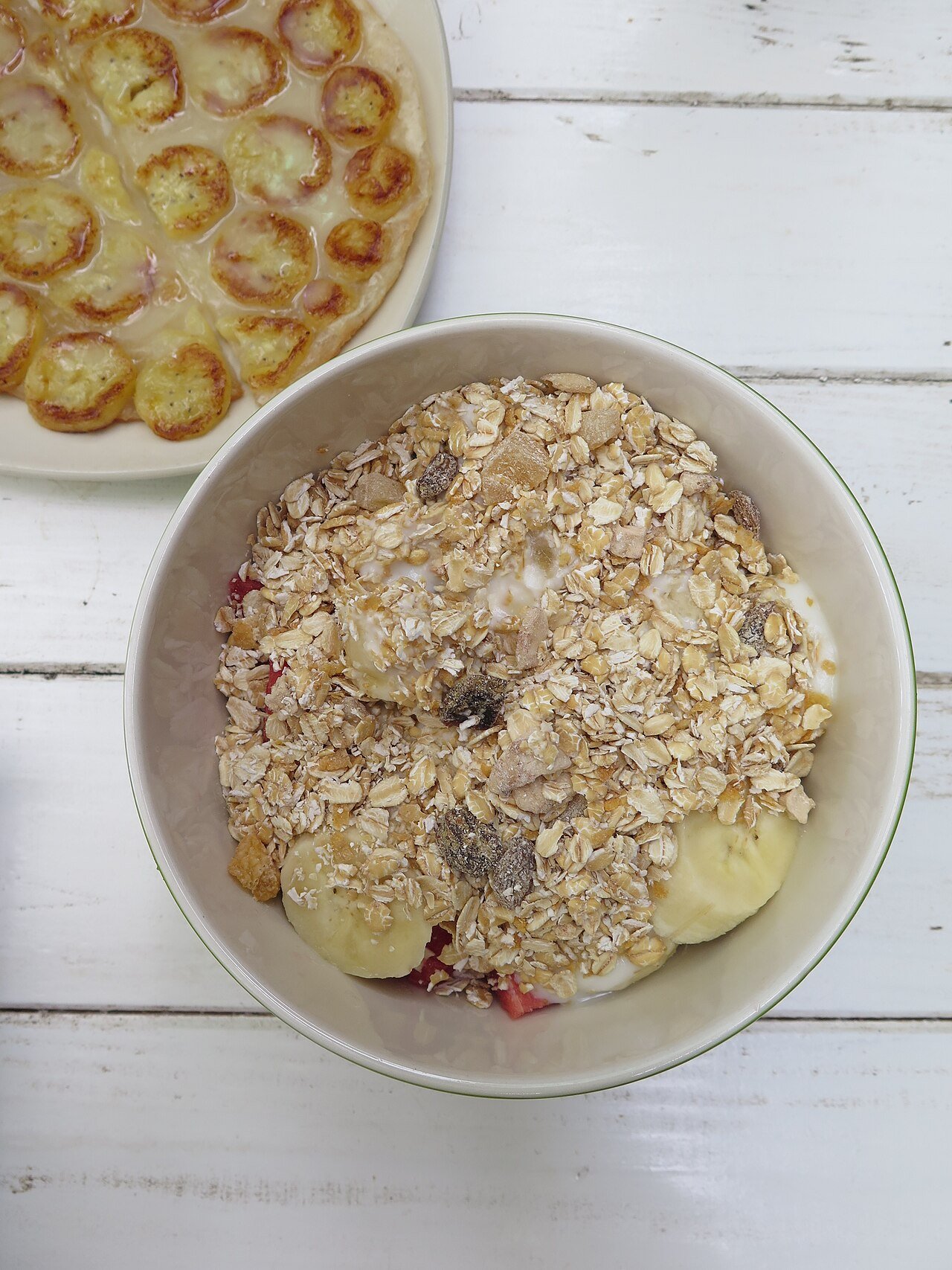
What is a healthy breakfast for weight loss? The breakfast weight-loss debate has whiplashed for years — “never skip breakfast!” then “breakfast doesn’t matter, try fasting!” — leaving most people confused. Here’s what the evidence actually says: breakfast isn’t magic, but what you eat in the morning significantly affects hunger, energy, and food choices for the rest of the day. A well-designed breakfast makes weight loss easier; a poorly designed one makes it harder. The difference comes down to three nutrients.
What Is a Healthy Breakfast for Weight Loss? The Protein-Fiber Formula
The single most important factor: protein. High-protein breakfasts (25–35 grams) reduce hunger hormones, increase satiety, and measurably decrease calorie intake later in the day compared to carb-heavy breakfasts. This isn’t marginal — studies show protein-rich mornings can cut subsequent eating by hundreds of calories without any conscious effort. Your body isn’t fighting you; it’s finally satisfied.
Fiber is the second pillar. It slows digestion, stabilizes blood sugar, and feeds gut bacteria linked to healthy weight. The combination of protein + fiber is the satiety jackpot: you stay full for hours instead of crashing at 10 a.m. and raiding the break room. Third: minimize added sugar and refined carbs. The classic American breakfast — sugary cereal, pastries, juice — spikes blood sugar, crashes it, and leaves you hungrier than if you’d eaten nothing. It’s not about breakfast being “bad”; it’s about that specific breakfast being terrible for appetite control.
Breakfasts That Actually Work
- Greek yogurt bowl: Plain Greek yogurt (20g+ protein per cup) with berries, a handful of nuts, and a sprinkle of chia seeds. Five minutes, no cooking, endlessly customizable.
- Veggie omelet: Three eggs with spinach, peppers, and mushrooms, plus a side of whole-grain toast. Roughly 25g protein and genuinely filling till lunch.
- Overnight oats: Oats soaked overnight with Greek yogurt, chia seeds, and fruit. Prep five jars Sunday night — grab-and-go all week. High fiber, solid protein.
- Cottage cheese toast: Whole-grain toast with cottage cheese, sliced tomato, and everything-bagel seasoning. Sounds odd, tastes great, protein-packed.
- Protein smoothie: Protein powder or Greek yogurt blended with frozen berries, spinach (you won’t taste it), and nut butter. Ideal for non-morning-eaters who need something drinkable.
- Smoked salmon and eggs: The weekend-worthy option — luxurious, high-protein, and surprisingly simple.
What About Skipping Breakfast?
Honest answer: if you’re not hungry in the morning and you eat well the rest of the day, skipping breakfast is fine — intermittent fasting works for many people. The “most important meal” slogan was marketing, not science. What doesn’t work is skipping breakfast and then overeating junk at 11 a.m. because you’re starving. Know yourself: if skipping leads to better total-day eating, skip. If it leads to vending-machine disasters, eat the protein breakfast. There’s no moral value in either choice — only what controls your hunger best.
Whatever pattern you choose, it should fit your overall nutrition. Understanding how much protein you actually need daily helps you distribute it sensibly across meals, and knowing what’s a realistic weight loss goal keeps expectations healthy.
Breakfast Traps to Avoid
Watch out for health halos: granola (often candy in disguise — check sugar per serving), flavored yogurts (up to 25g added sugar), “protein” bars that are really candy bars, fruit juice (all the sugar of soda, none of the fiber), and coffee drinks that contain a meal’s worth of calories. The pattern: if it tastes like dessert, it’s probably not a weight-loss breakfast, no matter what the packaging claims. Read labels, not marketing.
Also, keep portions honest. Nuts are healthy but calorie-dense — a small handful, not a bowl. Nut butter: two tablespoons, not four. These aren’t restrictions; they’re just awareness. The CDC’s healthy weight resources offer authoritative guidance on sustainable approaches that avoid fad-diet traps.
Meal-Prep Breakfasts for the Whole Week
The secret to consistent healthy breakfasts is removing morning decisions. Overnight oats (5 jars, Sunday night): in each jar, combine 1/2 cup oats, 1/2 cup Greek yogurt, 1/2 cup milk, 1 tablespoon chia seeds, and your choice of fruit and cinnamon. Refrigerate; grab one each morning. Five days of high-protein, high-fiber breakfasts in 15 minutes of Sunday prep. Egg muffins (12, Sunday bake): whisk 10 eggs with spinach, peppers, onions, and a little cheese; pour into a greased muffin tin; bake 20 minutes at 350°F. Two muffins per morning, reheated in 30 seconds — portable, protein-packed, endlessly variable.
Smoothie freezer bags (5 bags): portion frozen berries, spinach, half a banana, and a scoop of protein powder into bags; freeze. Each morning, dump in a blender with milk or water — 60 seconds to a complete breakfast. Chia pudding (4 jars): 3 tablespoons chia seeds per jar with 3/4 cup milk and vanilla; refrigerate overnight. Top with fruit in the morning — fiber-rich and surprisingly filling.
Rotate two preps weekly so you don’t burn out on any single one. Keep emergency backups for chaotic mornings: Greek yogurt cups, hard-boiled eggs (boil a dozen Sunday), and quality protein bars for the truly desperate days. The goal isn’t Instagram-worthy breakfasts; it’s making the healthy choice the default choice. When a protein-rich breakfast is the easiest thing to grab, weight-loss eating stops requiring willpower — and anything that doesn’t require willpower is something you can sustain.
Coffee, Timing, and Breakfast Order
Two fine-tuning details worth knowing. First, coffee: drinking it before breakfast on an empty stomach spikes cortisol higher than necessary for many people; having it with or after food is gentler on blood sugar and anxiety. You don’t need to quit coffee — just sequence it better. Second, meal timing flexibility: the “eat within an hour of waking” rule is overstated. What matters is total-day nutrition and hunger management, not the exact breakfast hour. If you’re genuinely not hungry until 10 a.m., eat at 10 — forcing food at 7 a.m. when you’re not hungry serves no one. The people who succeed with weight-loss breakfasts aren’t following rigid timing rules; they’ve found a protein-rich morning meal, at whatever hour suits them, that keeps them satisfied until lunch. Personalize the principle; ignore the dogma.
Build Your Morning System
The best weight-loss breakfast is the one you’ll actually eat consistently. Pick two or three options from the list above, keep the ingredients stocked, and prep what you can (overnight oats, hard-boiled eggs, portioned smoothie bags). Remove morning friction and the healthy choice becomes the easy choice. Pair your breakfast strategy with an overall plan — and if AI meal planning interests you, see how AI can plan your weekly meals. Mornings set the tone; make yours work for your goals, not against them.
[…] The goal isn’t the fastest loss — it’s the last diet you ever need. Keep exploring: What is a healthy breakfast for weight loss and How Much Protein Do You Actually Need Per […]