
 By admin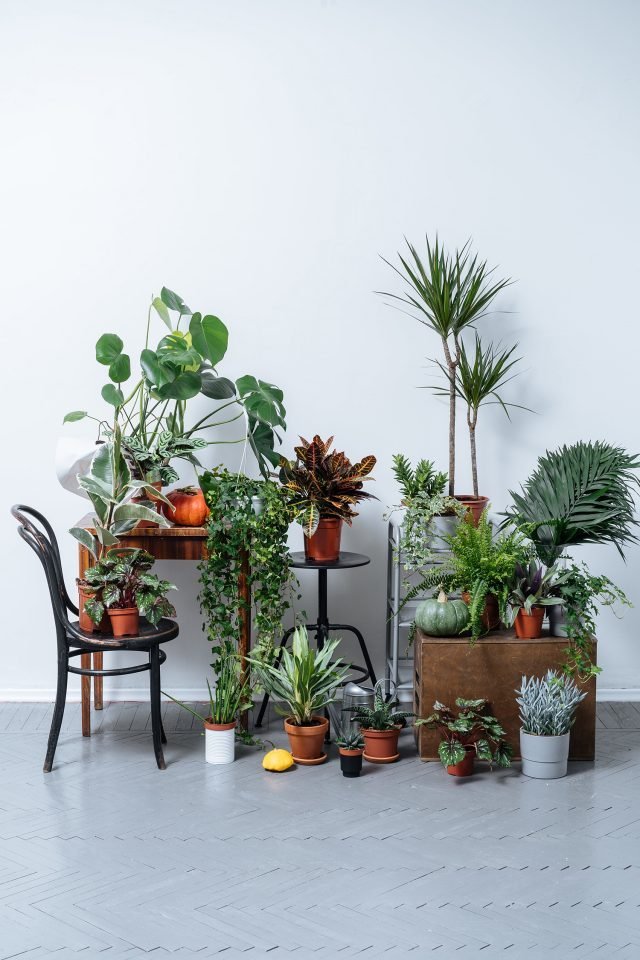
That dark corner of your living room. The windowless bathroom. The hallway that gets no direct sun. Every home has low-light rooms, and every plant lover has killed something by putting a sun-worshipper in one. But plenty of beautiful plants genuinely thrive in low light — you just need to know which ones, and what “low light” actually means.
What “Low Light” Really Means
Quick reality check, because this is where most people go wrong:
- Bright indirect light: near a window but out of direct sunbeams. Most houseplants want this.
- Medium light: a few feet from a window, or a north-facing window.
- Low light: a corner across the room from windows, a north-facing room with small windows, or a spot that gets only ambient light. No plant thrives in zero light — “low light tolerant” means survives and grows slowly, not that it prefers darkness.
If your room is truly cave-like, even the toughest plants will struggle. A $20 grow bulb in a regular lamp fixture solves it — but the plants below handle genuinely dim conditions better than anything else.
The Best Plants for Low Light Rooms
1. Snake plant (Sansevieria)
The undisputed champion. Tolerates near-darkness, needs water only every 2–3 weeks (less in winter), and looks architectural and modern. It also tolerates neglect, irregular watering, and being forgotten for a month. If you kill a snake plant, houseplants may not be your thing.
2. ZZ plant
Glossy, sculptural, nearly indestructible. Stores water in its rhizomes, so it forgives missed waterings for weeks. Grows slowly in low light but stays healthy. The only real way to kill it is overwatering — when in doubt, don’t water.
3. Pothos
The classic trailing plant for a reason: adapts to low light, tells you when it’s thirsty (leaves droop slightly), and propagates effortlessly in water. Golden pothos, marble queen, and jade varieties all handle dim corners. Hang it, trail it from a shelf, or train it up a moss pole.
4. Peace lily
One of the few low-light plants that flowers — elegant white blooms even in dim conditions. Dramatically droops when thirsty (then perks right up after watering), which makes it great for beginners who need clear signals. Note: mildly toxic to pets, so keep away from curious cats and dogs.
5. Cast iron plant
The name says it all — this Victorian-era favorite survives dark corners, irregular watering, and general neglect. Slow-growing and unfussy. Not the flashiest plant, but the most reliable.
6. Chinese evergreen (Aglaonema)
Beautiful variegated leaves in silver, pink, and red tones — rare color for a low-light plant. Tolerates dim conditions and dry air. The colorful varieties need slightly more light than the dark green ones to keep their variegation.
7. Philodendron (heartleaf)
Pothos’s close cousin — trailing, forgiving, and happy in low light. The heart-shaped leaves look great in hanging baskets. Same easy care: water when the top inch of soil is dry.
8. Parlor palm
A small, elegant palm that tolerates low light and adds a tropical feel. Slow-growing, so buy the size you want. Likes humidity but adapts to average home conditions.
Low-Light Care Rules
Plants in low light need adjusted care:
- Water less. Low light means slow growth means low water use. Overwatering kills more low-light plants than darkness does. Let soil dry out between waterings.
- Don’t fertilize much. Half-strength, half as often — or skip it in winter entirely.
- Dust the leaves. Dust blocks the little light available. Wipe leaves monthly with a damp cloth.
- Rotate occasionally so growth stays even.
- Accept slow growth. A ZZ plant in low light might put out two leaves a year. That’s normal, not failure.
Plants to AVOID in Low Light
Don’t set yourself up for disappointment: succulents and cacti (need bright light, will stretch and rot), fiddle-leaf figs (dramatic about light), most flowering plants, herbs (need serious sun), and bird of paradise. These aren’t bad plants — they’re just wrong for the spot.
Styling Low-Light Corners
A tall snake plant or ZZ in a nice pot transforms a dead corner into a designed moment. Group plants at varying heights — floor plant, shelf plant, hanging pothos — for a lush look. And remember that plants are part of making small spaces feel alive; they pair well with the strategies in our guide to creating more natural light in dark rooms, which tackles the light problem from the other direction.
For pet owners: check the ASPCA’s toxic plant database before bringing any plant home — several low-light favorites (peace lily, ZZ, pothos) are toxic to cats and dogs if chewed.
The Easiest Propagation Projects (Free Plants)
Several low-light champions multiply for free — turning one plant into many:
- Pothos: snip a stem below a node (the little bump where leaves meet stem), place in water. Roots appear in 1–2 weeks. Pot up when roots are 2 inches long. One plant becomes five within months.
- Snake plant: cut a leaf into 3-inch sections, let the cut ends callus for a day, then stick them cut-end-down in soil. Slow (months), but nearly foolproof. Note: variegated varieties may revert to solid green from cuttings.
- Philodendron: same method as pothos — node cuttings in water. Practically guaranteed.
- ZZ plant: leaf cuttings in soil or water — extremely slow (6+ months to a new plant) but it works. A project for the patient.
- Peace lily: division, not cuttings — when repotting, gently separate the root ball into 2–3 sections, each with leaves and roots. Instant new plants.
Propagation is also the best way to share plants with friends — a pothos cutting in a jar of water is a better gift than most store-bought presents, and it costs nothing. Keep a “propagation station” (a few jars on a bright windowsill) and you’ll always have plants in progress.
Plants are half the equation — the other half is light. Our guide to creating more natural light in a dark room shows how to maximize what your windows give you.
The Bottom Line
The best plants for low light rooms: snake plant, ZZ plant, pothos, peace lily, cast iron plant, Chinese evergreen, heartleaf philodendron, and parlor palm. Water less than you think, dust the leaves, and accept slow growth. Match the plant to the actual light (not the light you wish you had), and even the darkest corner can go green.