
 By admin
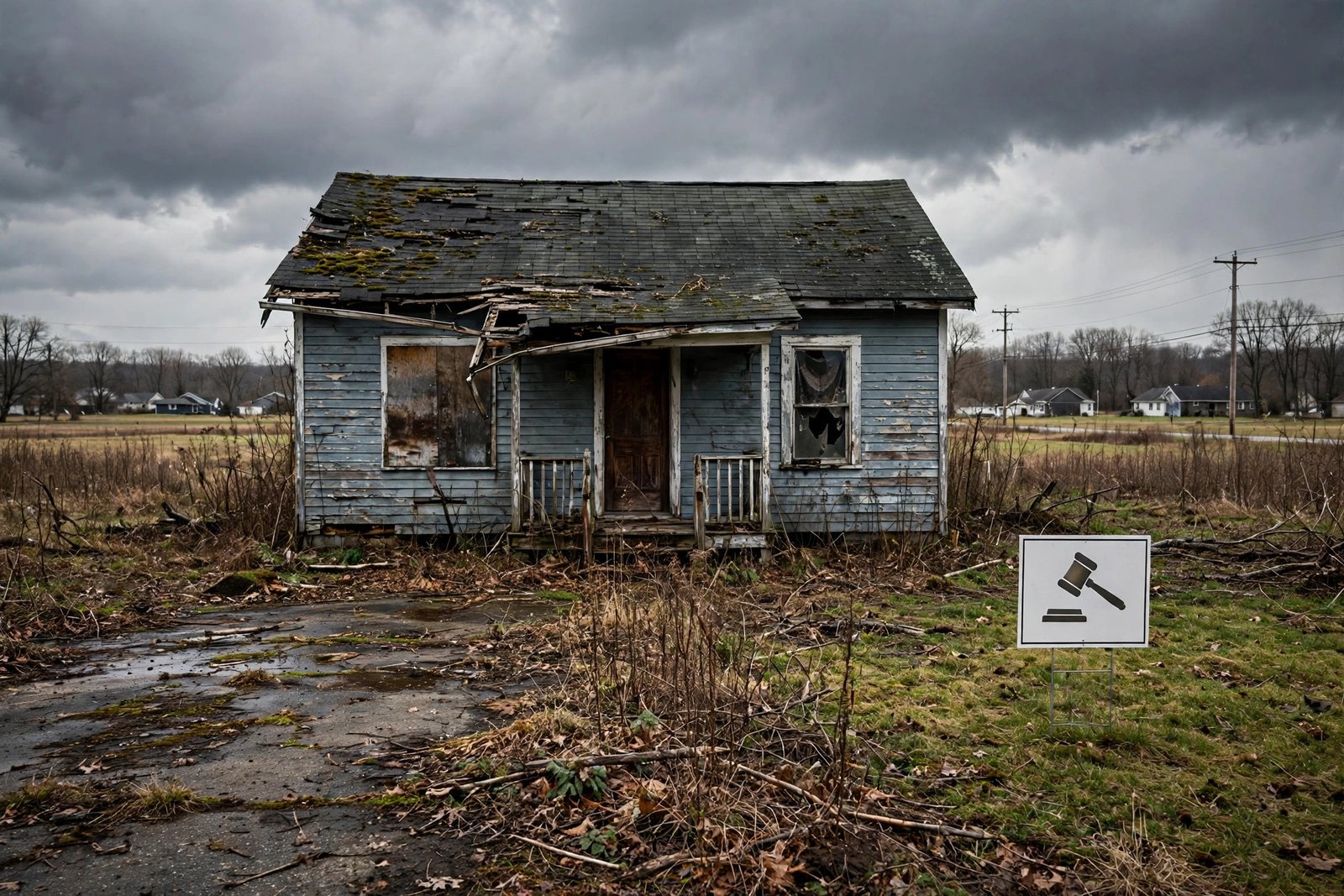
The listing price is $310,000 for a house that sold for $465,000 three years ago. Your pulse quickens — this is the deal you’ve been waiting for. But foreclosure listings are where the biggest bargains and the biggest disasters in real estate live side by side, separated only by the buyer’s preparation. For every investor who built wealth on distressed property, there’s a novice who bought a stripped-to-the-studs nightmare with liens they didn’t know existed.
Finding foreclosure deals safely on the West Coast — where high prices make the discounts tantalizing and tenant-protection laws make the process tricky — requires understanding the three distinct stages of foreclosure, the risks unique to each, and the due diligence that separates a genuine opportunity from a trap. Here’s the complete field guide.
The Three Stages of Foreclosure (And Why Stage Determines Risk)
Stage 1: Pre-foreclosure (notice of default)
After the owner misses several payments, the lender files a Notice of Default (NOD) — public record in California, Washington, and Oregon. The owner still holds title and can sell to avoid foreclosure. This is the safest stage for buyers: you negotiate directly with the motivated owner, inspect the property normally, use standard financing, and get clear title through escrow. The challenge is finding these deals — NOD filings are public, but contacting distressed owners requires sensitivity and persistence. Direct mail, door-knocking, and networking with divorce and probate attorneys are the classic channels.
Stage 2: Auction (trustee sale)
If the owner doesn’t cure the default, the property goes to public auction — on courthouse steps in California, a similar trustee-sale process in Washington and Oregon. This is where the headline discounts live: opening bids often start at the loan balance, sometimes far below market value. But the risks are severe: you generally can’t inspect the interior beforehand, you must pay in cash or cashier’s checks (no mortgage contingency), junior liens may survive the sale, occupants may need formal eviction, and in some cases the owner has a redemption period. Auction buying is for experienced, well-capitalized investors — not first-time buyers.
Stage 3: REO (bank-owned)
If no one bids at auction, the lender takes the property back as “real estate owned” and lists it through agents like a normal sale — often at a discount of 5–15% below market. REOs are the sweet spot for regular buyers: you can inspect, finance conventionally, and get title insurance. The discounts are smaller than auctions, but so is the risk of catastrophe.
West Coast Complications You Must Know
California’s Homeowner Bill of Rights restricts dual-tracking (foreclosing while negotiating a modification) and mandates specific borrower protections — good for owners, but it lengthens timelines and complicates deals. California also has generous anti-deficiency protections on purchase-money loans. Washington is primarily a non-judicial foreclosure state with a relatively fast trustee-sale process (as quick as 120 days from NOD), while Oregon requires more borrower outreach before foreclosure can proceed.
Tenant protections add another layer: California’s Tenant Protection Act and various local ordinances mean inherited tenants may have just-cause eviction protections and relocation payment requirements. Buying an occupied foreclosure without understanding local tenant law can leave you as an accidental landlord to tenants you can’t remove. Always verify occupancy status and local ordinances before bidding or offering. The HUD foreclosure resources explain borrower protections that shape every West Coast foreclosure timeline.
Due Diligence: The Safety Checklist
Every foreclosure deal — at any stage — demands this investigation before you commit money:
Title search for liens. Property tax liens, IRS liens, HOA liens, mechanics’ liens, and second mortgages may survive foreclosure or cloud title. A preliminary title report ($200–$400) is the cheapest insurance in real estate. At auctions, where you buy as-is, this research is your only protection — professionals run full title chains before bidding a dollar.
Occupancy verification. Drive by at different times. Occupied properties mean potential eviction costs ($3,000–$10,000+ and months of delay in tenant-friendly jurisdictions). Some investors budget “cash for keys” ($2,000–$5,000) to incentivize voluntary move-out — often cheaper than formal eviction.
Condition assessment. For pre-foreclosures and REOs, inspect normally — distressed owners often defer maintenance for years, so budget 1.5–2x your normal renovation estimate. For auctions, exterior-only assessment plus neighborhood comp analysis is all you get; price in a worst-case renovation budget.
True comparable analysis. Foreclosure “discounts” are often illusions — compare against actual sold comps in similar condition, not against the property’s peak value or the listing’s aspirational price. A house listed 20% below its 2021 sale price may still be overpriced in a corrected market.
Financing pre-arranged. REOs accept conventional and FHA financing (though FHA has property condition standards distressed homes may fail). Auctions demand cash. Hard-money loans bridge the gap for investors but cost 8–12% interest plus points — factor this into your numbers.
Where to Find Legitimate Foreclosure Listings
Start with free sources: your county recorder’s NOD filings, HUD’s listings at hudhomestore.gov, Fannie Mae’s HomePath and Freddie Mac’s HomeSteps for their REOs, and the MLS (many REOs list there normally). Paid services like Auction.com and RealtyTrac aggregate auction and pre-foreclosure data. Your best edge, though, is relationships: foreclosure attorneys, REO listing agents, and local investor groups see deals before they hit public channels. One productive relationship with an REO specialist agent beats a dozen listing websites.
Ignore the late-night seminar promises: legitimate foreclosure investing is research-heavy, capital-intensive, and slow. Anyone selling a “system” for finding foreclosures with no money down is selling the system, not the strategy.
Negotiating and Closing Safely
On REOs, banks are rational sellers — they want the property off their books. Lowball offers backed by solid comp data sometimes work, especially on properties sitting 90+ days. But banks also have bureaucratic timelines: expect 2–6 weeks for offer responses and rigid addenda favoring the seller. Read every bank addendum carefully — they often shift costs and limit your inspection rights.
For pre-foreclosure purchases from owners, fairness and legality matter: several states regulate transactions with distressed owners (California’s foreclosure consultant laws, for example). Structure deals transparently, give owners time to consider, and never pressure. The ethical approach isn’t just right — it’s what keeps you out of court.
Once you’re analyzing deals seriously, distressed properties live or die on rehab math — our guide to finding a reliable contractor for home repairs shows how to get honest bids, since renovation costs determine whether any distressed property is actually an investment. And our analysis of whether AI will replace real estate agents examines how deal-sourcing itself is changing. For the financing side, the CFPB’s Owning a Home toolkit walks through loan options with interactive worksheets.
Conclusion
Foreclosure deals reward the prepared and punish the impulsive. The safe path for most buyers: target pre-foreclosures (negotiate with owners, inspect normally) and REOs (finance conventionally, buy with title insurance), run full title searches on everything, verify occupancy and tenant law exposure, budget renovations at 1.5–2x normal estimates, and never touch auctions until you have cash, experience, and professional title research. The discount is real — but it compensates you for risk, work, and expertise. Bring all three, and foreclosures become what they should be: a sourcing channel, not a gamble.
Frequently Asked Questions
How much below market value are foreclosures?
REOs typically list 5–15% below comparable market value. Auction discounts can reach 20–40% but come with no inspection, cash-only terms, and lien risks. Pre-foreclosure discounts vary entirely by negotiation.
Can I get a mortgage on a foreclosure?
Yes for REOs and pre-foreclosures, through conventional, FHA (if the property meets minimum standards), or renovation loans like FHA 203(k). Auction purchases almost always require cash or hard-money financing.
What is a redemption period?
Some states give foreclosed owners a window after the sale to reclaim the property by paying what they’re owed. Rules vary by state and foreclosure type — verify whether one applies before buying at auction, as it clouds your ownership.
Are foreclosure listing websites worth paying for?
They aggregate public data conveniently but rarely contain exclusive deals — everything they list is findable free through county records, HUD, and the MLS. Their value is time savings, not secret inventory.
Can the previous owner come back after I buy a foreclosure?
After a properly conducted foreclosure with no redemption period, no. Title insurance on REO and pre-foreclosure purchases protects against title challenges. Auction purchases carry more residual risk, which is why professional title research beforehand is essential.