
 By admin
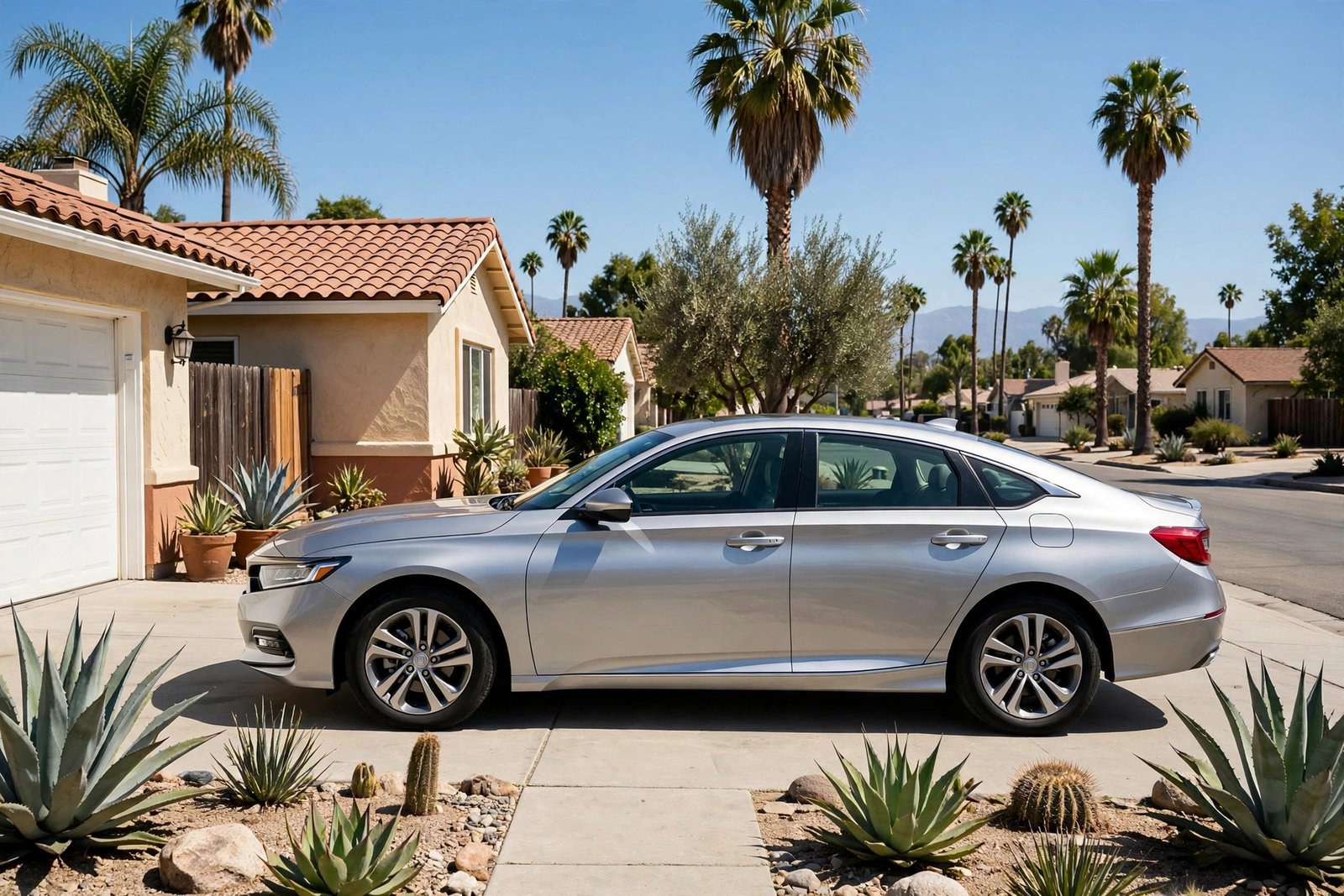
Selling your car privately in California can put $2,000 to $5,000 more in your pocket than trading it in — dealers have to profit on your trade, but a private buyer pays retail. The catch: California has specific paperwork, smog rules, and liability quirks that trip up first-time private sellers, and pricing it wrong means either months of tire-kickers or leaving money behind. Done right, a private sale takes two to three weeks and nets you top dollar.
This guide covers California-specific requirements, how to price for the best price (not just a fast sale), presenting your car to command premium money, handling buyers safely, and closing the deal without legal headaches.
California Paperwork: Get This Right First
California’s DMV process has traps for the unprepared. You must provide the buyer with a valid smog certification in most cases — the seller’s responsibility in California, unlike many states. Get the smog check done within 90 days of the sale; without it, the buyer can’t register the car and the sale can unravel. You’ll also sign over the title (pink slip), complete a bill of sale, and file a Notice of Transfer and Release of Liability with the DMV within 5 days — this last step is critical, because until it’s filed, you’re still liable for tickets and accidents involving the car.
If you still owe money on the car, contact your lender before listing — they’ll explain the payoff and title-release process, which adds a few days. Gather your maintenance records now; a folder of receipts is one of the strongest value signals you can show a buyer. The California DMV’s vehicle transfer guide walks through every required form so nothing slips through.
Price It for the Best Price, Not the Fastest Sale
Check three sources: Kelley Blue Book and Edmunds for private-party values, plus actual asking prices for identical cars on Autotrader, Craigslist, and Facebook Marketplace in your metro area. Price at the top of the realistic range if your car is clean, maintained, and documented — private buyers pay premiums for certainty.
California-specific value factors: convertibles and EVs command premiums in coastal metros; 4WD trucks do better inland; and anything with excellent fuel economy sells fast statewide given gas prices. Time your sale — convertibles in spring, 4WD vehicles before winter mountain season, and avoid listing during the December holidays when buyers disappear. Price slightly above your target to leave negotiation room (buyers expect to haggle), but stay within 5% of market — overpricing by 15% just collects lowball offers and wastes weeks. For context on what dealers would offer, Edmunds’ appraisal tools show both trade-in and private-party values side by side.
Presentation: The $500 Detail That Earns $2,000
Buyers decide emotionally in the first 60 seconds, then justify with logic. A $150–$250 professional detail — inside and out, including engine bay wipe-down and headlight restoration — routinely adds $1,000+ to the perceived value. Fix the cheap annoyances: replace burned-out bulbs, touch up paint chips, replace worn wiper blades, and put air in the tires. These signal a cared-for car.
Photograph like you mean it: 20–30 photos in daylight, clean background, all angles including interior, trunk, odometer, and tires. Write an honest, detailed ad — year, trim, mileage, service history, reason for selling, and what’s great plus one honest flaw. Paradoxically, mentioning a minor flaw (“small scratch on rear bumper”) increases trust and reduces haggling, because buyers stop hunting for hidden problems. If you’re comparing against just buying something newer, see what to check when buying refurbished — the inspection mindset transfers to cars too.
Showings, Test Drives, and Staying Safe
Screen buyers by phone before meeting: ask if they’re local, how they’re paying, and when they can come. Vague answers and pressure for your address upfront are red flags. Always meet in a public place in daylight — many California police stations offer safe exchange zones specifically for this. Bring a friend, and never let a buyer test-drive alone; ride along with their license photographed (send it to someone you trust first).
For the test drive, plan a 15-minute route with city streets and a highway stretch. Let the car warm up first, and don’t hover — nervous sellers make buyers nervous. Allow a pre-purchase inspection at the buyer’s mechanic; confident sellers welcome inspections, and refusing one kills deals. Serious buyers who pay for an inspection almost always buy. Cash or cashier’s check only — and verify cashier’s checks by calling the issuing bank, because counterfeits are common. Never accept payment plans, personal checks, or overpayment schemes.
Closing the Deal the California Way
When you agree on a price, complete the bill of sale with the odometer reading, sale price, date, and both parties’ information — both of you sign two copies. Sign over the title carefully: any error or stray mark can void a California title, so write slowly. Accept payment, hand over the keys, and immediately file that Release of Liability online with the DMV — do it from your phone before the buyer drives away if possible.
Remove your license plates? In California, plates generally stay with the vehicle (unlike some states), so confirm current DMV guidance. Cancel your insurance only after the transfer is filed, and notify your lender of the payoff. Keep copies of everything for at least a year. Done correctly, the whole closing takes 30 minutes — and you’ve just earned thousands more than the dealer’s trade-in offer. If you’re weighing whether to sell or just switch transportation modes, renting vs. rideshares math can clarify what you actually need.
Conclusion
Getting the best price selling your car privately in California comes down to: handling the smog and DMV paperwork before you list, pricing from real market data with negotiation room built in, presenting the car like it deserves premium money, screening buyers and meeting safely, and closing with airtight paperwork. It’s more work than trading in — roughly 10–15 hours total — but at $200–$400 per hour of effective pay, it’s the highest-paying side gig you’ll ever do.
Frequently Asked Questions
Do I really have to smog the car before selling it in California?
In most private sales, yes — California law generally requires the seller to provide a smog certification completed within 90 days of the sale. Exceptions exist for transfers between family members and some other cases, but for a standard private sale, get the smog check done before listing.
What’s the safest way to accept payment?
Cashier’s check verified by calling the issuing bank, or cash for lower amounts (meet at the buyer’s bank so they can withdraw it there and you can verify it). Never accept personal checks, wire transfers from strangers, payment plans, or checks for more than the asking price — the overpayment scam is still rampant.
How long does a private car sale usually take?
A fairly priced, well-presented car in a California metro typically sells in 1–3 weeks. If you’re getting no inquiries after a week, your price or photos are the problem. If you’re getting inquiries but no buyers after showings, something about the car’s condition or your flexibility is off — ask for honest feedback.
Should I fix problems before selling or sell as-is?
Fix cheap, high-visibility issues (bulbs, wipers, detailing, minor chips) — they return multiples of their cost. Don’t invest in major repairs; you’ll rarely recover the cost. Instead, price fairly for the condition and disclose honestly — transparency sells faster than perfection.