
 By admin
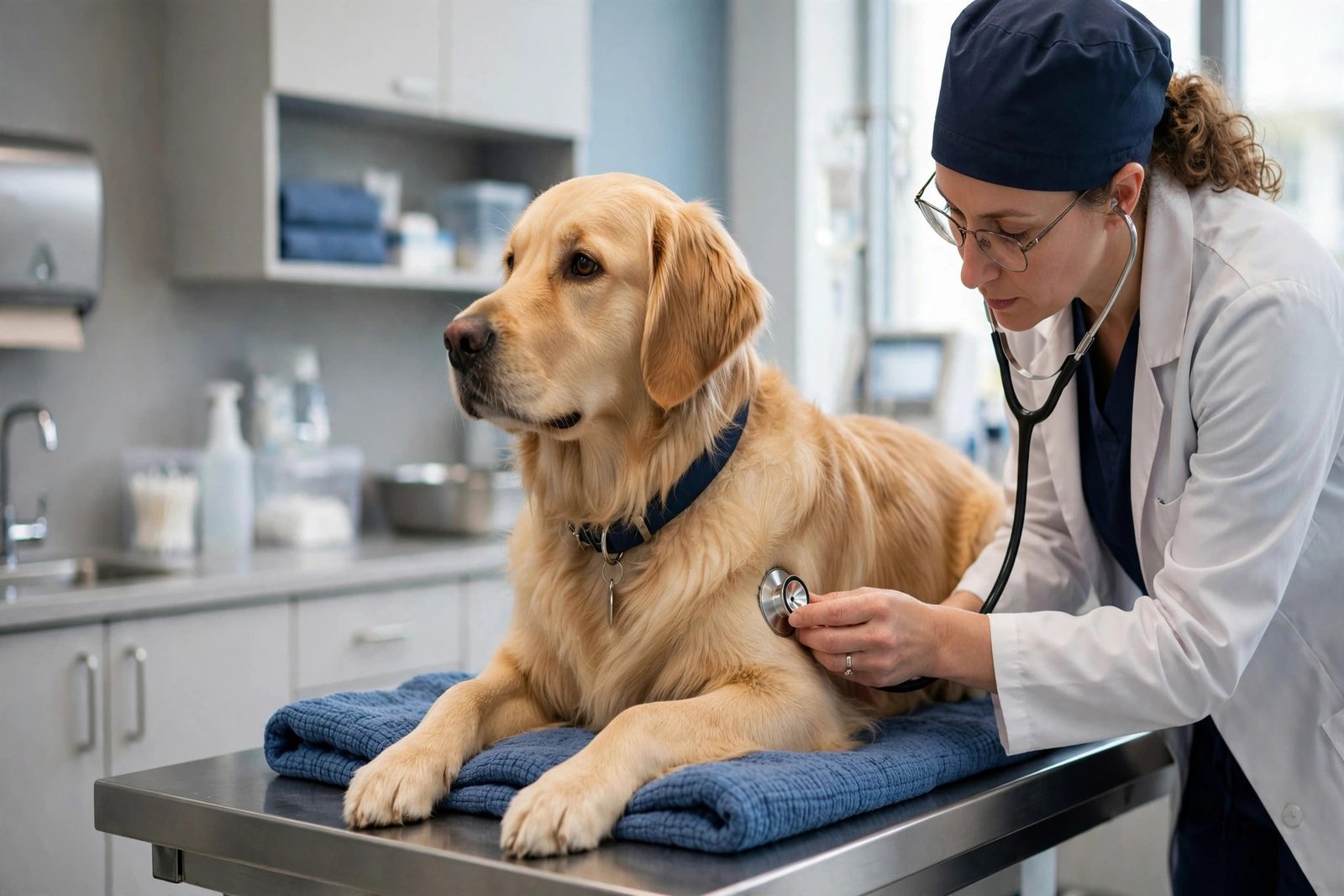
When was your dog’s last vet visit? If you’re like many owners, the answer is “when something was wrong.” But veterinary medicine, like human medicine, has shifted decisively toward prevention — because the exam that finds early kidney disease, the dental cleaning that prevents extractions, and the vaccine that prevents parvo are all cheaper, safer, and kinder than treating the crisis later.
So how often should a healthy dog actually see the vet? The honest answer: it depends on age, and the schedule surprises many owners. This guide lays out the vet-visit frequency for puppies, adults, and seniors, what each checkup should include, which vaccines and screenings matter when, and how to get maximum value from every visit.
Puppies: The Intensive First Year
Puppies need the most frequent visits: typically every 3–4 weeks from 8 to 16 weeks old. This isn’t overkill — it’s the vaccination window. Maternal antibodies interfere with vaccines unpredictably, so the core puppy series (distemper, parvovirus, adenovirus, parainfluenza — the “DHPP” combo, plus rabies) is given in a series to ensure protection takes hold as maternal immunity fades. Miss the window and you have an unprotected puppy in a parvovirus-filled world.
These visits also cover deworming (nearly all puppies have intestinal parasites — it’s normal, not a hygiene failure), flea/tick prevention startup, and watching for early signs of dehydration, which hits puppies faster than adults. microchipping, spay/neuter timing discussion, nutrition guidance for growth, and behavior socialization advice during the critical 8–16 week socialization window. Find a vet by 8 weeks — don’t wait until the puppy “needs” something. Keep early vet visits positive: bring treats, let the puppy explore the exam room, and ask the staff to make it fun. A puppy that loves the vet at 12 weeks is an adult that doesn’t panic at 12 years.
Healthy Adult Dogs: The Annual Visit (and What It Should Include)
For healthy adult dogs (roughly 1–7 years depending on breed), once a year is the standard recommendation from the American Veterinary Medical Association and the American Animal Hospital Association. The annual exam is far more than vaccines — in fact, for many adult dogs, the exam matters more than the shots.
A proper annual checkup includes: full nose-to-tail physical exam (heart, lungs, eyes, ears, mouth, skin, lymph nodes, joints, abdomen), weight and body condition assessment, dental evaluation, vaccine review (many adult vaccines are now on 3-year schedules — your vet should tailor, not just boost everything yearly), intestinal parasite screening (fecal test), heartworm test (annual, even on prevention — no preventative is 100%), and a discussion of diet, exercise, behavior, and any subtle changes you’ve noticed. Bloodwork isn’t always annual for young adults, but establishing baseline blood values at age 2–3 is smart — future abnormalities are judged against your dog’s own normal, not just the lab’s range.
Come prepared: note appetite, water intake, energy, stool, and any lumps or behavior changes since last year. You see your dog daily; the vet sees them yearly. Your observations are diagnostic data — the same way human doctors rely on what you report between visits, vets rely on owner reporting to catch early changes.
Senior Dogs: Twice a Year Is the Standard
Here’s the schedule shift most owners miss: dogs 7+ (or 5+ for giant breeds) should see the vet every 6 months. The rationale is simple math — a dog ages roughly 4–7 human years per calendar year, so a 6-month gap for a senior equals 2–3 human years between doctor visits. Diseases of aging (kidney disease, cancer, arthritis, cognitive decline, heart disease) progress fast; catching them a “dog-year” earlier changes outcomes.
Senior checkups add: senior bloodwork panel every 6–12 months (kidney values, liver values, thyroid, blood sugar, red/white cell counts), urinalysis (kidney concentration ability, hidden UTIs, glucose), blood pressure measurement (hypertension is underdiagnosed in dogs), chest X-rays or cardiac evaluation for at-risk breeds, and orthopedic/pain assessment (most senior dogs have some arthritis — many suffer silently because owners mistake slowing down for “just getting old”). The AAHA’s senior care guidelines detail this protocol; if your vet isn’t suggesting semi-annual senior visits, ask why.
Vaccines: What’s Actually Needed and When
Core vaccines (recommended for all dogs): rabies (legally required almost everywhere — keep it current), DHPP combo (distemper, parvovirus, adenovirus, parainfluenza), and leptospirosis is increasingly considered core given rising cases. After the puppy series and one-year booster, many core vaccines move to 3-year intervals — the outdated “annual boosters for everything” is fading as duration-of-immunity research improves.
Non-core (lifestyle) vaccines: Bordetella (kennel cough) for dogs that board, groom, or visit dog parks; canine influenza for social dogs in outbreak areas; Lyme for dogs in tick-heavy regions. Your vet should recommend based on your dog’s actual lifestyle — the suburban couch dog and the hiking adventure dog need different protocols. Titer testing (measuring antibody levels via blood test) is an option for owners who want to avoid unnecessary boosters; it’s pricier than vaccinating but gives data-driven answers.
Dental Care: The Overlooked Checkup Component
By age three, over 80% of dogs show signs of periodontal disease — and it’s not just bad breath. Dental disease seeds bacteria into the bloodstream, stressing the heart, kidneys, and liver. Yet dental care is the most-skipped part of preventive medicine because it requires anesthesia, which worries owners.
The reality: modern anesthetic protocols with monitoring are very safe for healthy dogs, and the risk of not treating dental disease exceeds the anesthetic risk by a wide margin. Ask your vet for a dental grade at each checkup (0–4 scale). Grade 1–2 may need only improved home care; grade 3+ needs professional cleaning. Home care between cleanings — daily brushing is gold standard (enzymatic toothpaste, no human toothpaste), dental chews with the VOHC seal help — slows progression but doesn’t replace professional cleaning under anesthesia. “Anesthesia-free dentistry” services can’t clean below the gumline where disease lives; veterinary dentists universally advise against them as a substitute.
Getting Maximum Value From Every Visit
Between visits, you’re the monitor. The exam is annual; your eyes are daily. Track the subtle stuff: water intake changes, appetite shifts, energy level, new lumps (measure and photograph them — “it’s grown” is data), stool quality, coughing, limping, behavior changes. A two-minute monthly at-home check — run hands over the whole body feeling for lumps, look in ears and mouth — catches things early.
Money management: preventive care costs are predictable, which makes them plannable. Many clinics offer wellness plans spreading annual costs monthly. Pet insurance covers illness/injury (not routine care, usually) — the checkup is what finds the covered conditions early. And don’t skip the fecal test or heartworm test to save $40 — intestinal parasites and heartworm are both cheap to prevent and expensive to treat. The AVMA’s pet care resources help you understand what each preventive service actually does, so you’re buying care deliberately rather than declining it reflexively.
Conclusion
The schedule: every 3–4 weeks through 16 weeks for puppies, annually for healthy adults (with baseline bloodwork in young adulthood), and every 6 months for seniors 7+ — with dental assessment, parasite screening, and lifestyle-tailored vaccines at every stage. The annual or semi-annual checkup isn’t a formality; it’s the highest-value hour in your dog’s healthcare year. The diseases caught early at routine exams are the ones with the best outcomes and the lowest bills. Prevention isn’t just better medicine — it’s cheaper, kinder medicine.
Frequently Asked Questions
Does my dog really need to go to the vet every year if he’s healthy?
Yes. The annual exam catches early disease (kidney changes, heart murmurs, dental disease, lumps) long before symptoms appear, keeps vaccines and parasite prevention current, and establishes trends in weight and bloodwork. “Healthy” is often just “not yet diagnosed.”
At what age is a dog considered a senior?
Generally around 7 years for most breeds, but size matters: giant breeds are senior by 5–6, while small breeds may not be senior until 10+. Your vet will tell you when to switch to the senior protocol.
Are annual vaccines still necessary for adult dogs?
Not all of them annually. After the puppy series and one-year booster, core vaccines like DHPP and rabies are typically given every 3 years (rabies interval follows local law). Some lifestyle vaccines (Bordetella, canine influenza) may still be annual.
How much does a routine vet checkup cost?
A basic annual exam runs roughly $50–$100; with vaccines, fecal test, and heartworm test, expect $150–$300 total. Senior checkups with bloodwork and urinalysis run $300–$600. Wellness plans that spread costs monthly are available at many practices.
What should I bring to my dog’s vet appointment?
A list of current foods, treats, and medications (with doses); notes on any changes in appetite, water, energy, stool, or behavior; questions written down; and for puppies, vaccination records from the breeder or shelter. A fresh stool sample saves a return trip if a fecal test is due.