
 By admin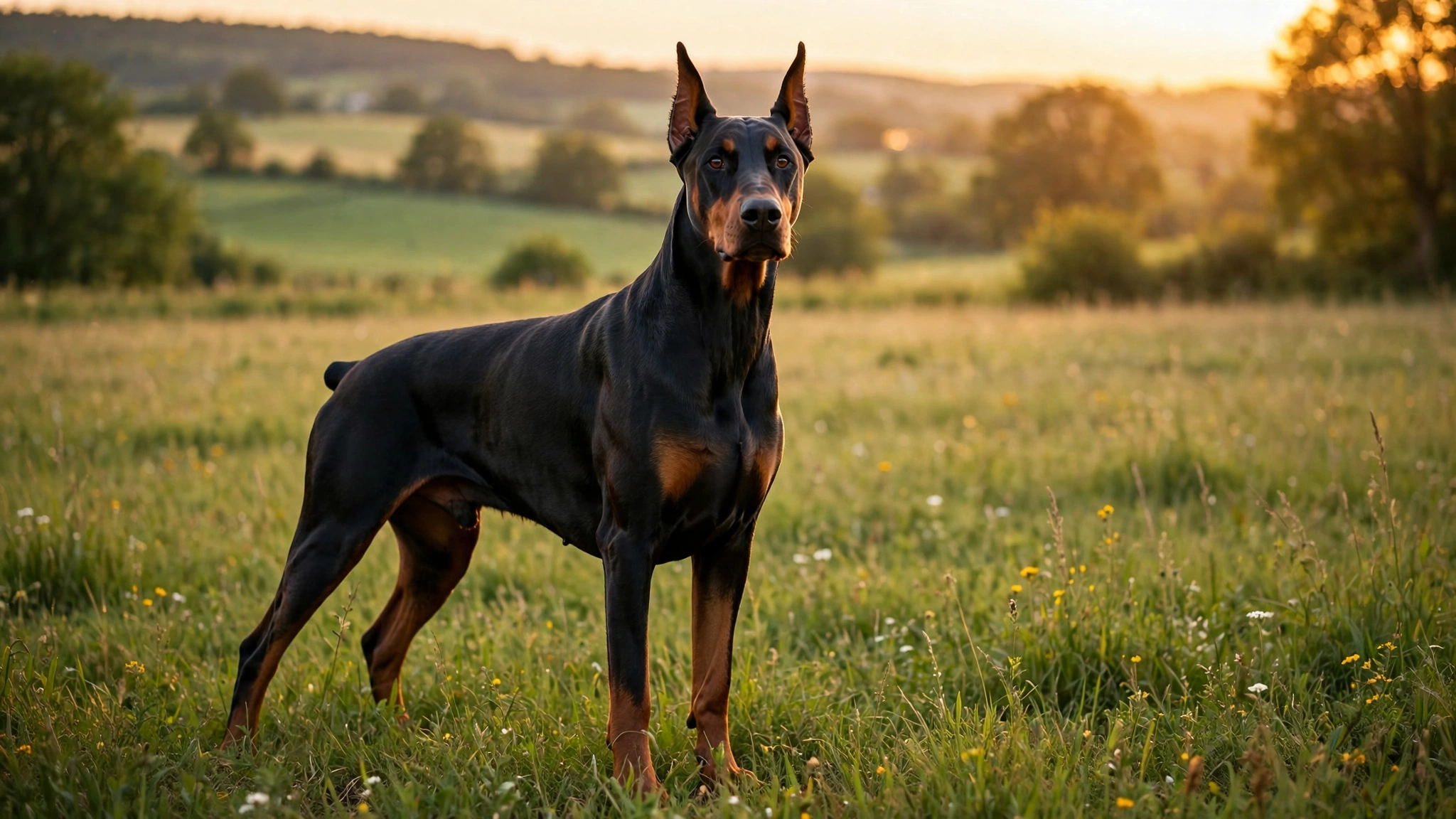
Quick Answer: Dobermans typically live 10 to 12 years, with females and smaller-framed dogs often reaching the higher end of that range. Heart disease (dilated cardiomyopathy) is the biggest threat to their lifespan, but a healthy diet, regular exercise, and annual cardiac screenings can help your Doberman live a long, full life.
Average Lifespan of a Doberman Pinscher
The Doberman Pinscher is a large, athletic breed, and like most large dogs, its lifespan is shorter than that of smaller breeds. On average, a Doberman lives 10 to 12 years. Some well-cared-for Dobermans reach 13 or even 14, but those are the exceptions rather than the rule.
Compared with other breeds of similar size, the Doberman sits roughly in the middle. Great Danes average 7 to 10 years, while German Shepherds average 9 to 13. The Doberman’s main enemy is not old age itself but a specific set of inherited health conditions — chief among them heart disease — that can cut a dog’s life short in its prime.
Male vs. Female: Does Gender Matter?
Female Dobermans tend to outlive males by about a year on average. Females typically reach 11 to 13 years, while males more commonly live 10 to 12. Part of this difference comes down to size — males are heavier, and in dogs, greater body mass is loosely linked to a shorter lifespan. Hormones may play a role as well, though spaying and neutering remove much of that difference.
That said, gender is only a minor factor. Genetics, diet, and preventive care matter far more than whether your Doberman is male or female.
American vs. European Dobermans
You may hear breeders distinguish between American and European Dobermans. European Dobermans (often called the working type) are stockier and heavier-boned, while American Dobermans are leaner and more elegant. The lifespan difference between the two types is small and not well documented, but the heavier European build may carry a slightly higher risk of joint problems. Health testing of the parents matters far more than which side of the Atlantic the bloodline comes from.
Factors That Affect a Doberman’s Lifespan
1. Genetics and Breeding
Genetics is the single biggest factor. Dilated cardiomyopathy (DCM), a disease in which the heart becomes enlarged and weak, affects an estimated 40 to 60 percent of Dobermans at some point in their lives. Responsible breeders screen their breeding dogs with annual echocardiograms and 24-hour Holter monitor tests, plus DNA testing for known DCM markers. A puppy from health-tested parents has a meaningfully better shot at a long life.
2. Diet and Weight
Obesity shortens a dog’s life by as much as two years, and Dobermans are prone to packing on pounds once they slow down. Feed a high-quality diet appropriate for large breeds, measure portions, and keep your dog lean — you should be able to feel the ribs with light pressure. Avoid free-feeding and table scraps.
3. Exercise
Dobermans were bred as working dogs and need serious daily exercise: 60 to 90 minutes of walks, runs, fetch, or agility work. A well-exercised Doberman maintains healthy weight, strong muscles, and good cardiovascular fitness. Mental stimulation (training, puzzle toys, nose work) matters too — boredom leads to destructive behavior and stress.
4. Veterinary Care
Annual checkups are the minimum. For Dobermans, many veterinarians recommend yearly cardiac screening starting at age 2 to 3, including an echocardiogram and Holter monitor. Early detection of DCM allows medication (like pimobendan) to extend life by months or even years. Keep vaccinations, parasite prevention, and dental care current — dental disease can seed bacteria into the bloodstream and damage the heart valves.
Common Health Issues That Shorten a Doberman’s Life
- Dilated cardiomyopathy (DCM): The number-one killer of Dobermans. Often silent until advanced; screening is essential.
- Wobbler syndrome (cervical spondylomyelopathy): A neck/spine condition causing unsteady gait, common in large Dobermans.
- Gastric dilatation-volvulus (bloat): A life-threatening emergency where the stomach twists. Deep-chested breeds are at high risk; feed smaller meals and avoid vigorous exercise right after eating.
- Hypothyroidism: Low thyroid function causing weight gain and lethargy; easily managed with daily medication once diagnosed.
- Hip dysplasia: Malformed hip joints leading to arthritis; keep weight down and choose puppies from OFA-certified parents.
- Von Willebrand’s disease: A bleeding disorder; DNA test available.
Doberman Life Stages
Puppy (0–12 months): Rapid growth. Feed large-breed puppy food to control growth rate and protect joints. Start training and socialization early — Dobermans are powerful and need confident handling.
Adult (1–6 years): Peak physical condition. Maintain exercise, training, and annual vet visits. Begin cardiac screening.
Senior (7+ years): Dobermans age faster than small breeds, so 7 is genuinely senior. Switch to senior food, add joint supplements if your vet recommends them, and consider twice-yearly vet visits. Watch for slowing down, stiffness, or changes in appetite.
How to Help Your Doberman Live Longer
- Choose a breeder who does annual heart testing (echo + Holter) and DNA screening.
- Keep your dog lean — this alone adds meaningful years.
- Exercise daily and keep the mind busy with training.
- Schedule cardiac screening every 12 months starting young.
- Brush teeth regularly and get professional dental cleanings as needed.
- Feed two or three smaller meals a day to reduce bloat risk.
- Provide a comfortable orthopedic bed to protect joints.
Exercise Needs by Age
A Doberman’s exercise needs change over its lifetime, and matching activity to age protects both joints and heart. Puppies under 12 months should get short, frequent play sessions rather than long runs — about 5 minutes of structured exercise per month of age, twice a day. Forced running on hard surfaces can damage growing joints in large breeds. Adult Dobermans (1 to 6 years) thrive on 60 to 90 minutes of vigorous daily activity: jogging, fetch, swimming, agility, or Schutzhund-style training sports that engage both body and mind. Seniors still need daily movement, but switch to gentler options like leisurely walks and swimming, which builds muscle without pounding aging joints. Whatever the age, a tired Doberman is a well-behaved Doberman — and consistent exercise is one of the most reliable longevity tools you have.
Choosing a Healthy Doberman Puppy
If you are buying a puppy, your choices in the first weeks echo for a decade. Look for breeders who perform annual echocardiograms and 24-hour Holter monitoring on all breeding dogs, plus DNA testing for DCM markers, von Willebrand’s disease, and degenerative myelopathy. Ask to see the results — reputable breeders share them proudly. Visit the kennel, meet the mother, and observe the puppies’ temperaments. Avoid breeders who always have puppies available, won’t show health records, or sell through pet stores. A well-bred puppy from tested parents typically costs $1,500 to $3,000 in the US, but the health screening behind that price can save you far more in vet bills — and heartbreak — later.
Further Reading
- How Long Do Raccoons Live? Complete Answer (2026)
- How Long Do Great Danes Live? Complete Answer (2026)
- How Long Do Boston Terriers Live? Complete Answer
- AKC’s dog breed guide
- American Society for the Prevention of Cruelty to Animals
Frequently Asked Questions
What is the oldest Doberman on record?
There are anecdotal reports of Dobermans reaching 15 or 16, but verified records are rare. A Doberman living past 13 is doing exceptionally well.
Do Dobermans die suddenly from heart problems?
Sadly, yes — sudden death from arrhythmia is a known risk with DCM, which is why Holter monitoring is so important. It can catch dangerous irregular heartbeats before they turn fatal.
Is 8 years old for a Doberman?
Eight is senior for a Doberman. Many are still active and happy at 8, but it is the age to be extra vigilant about vet care, diet, and joint health.
Do spayed/neutered Dobermans live longer?
Studies in dogs generally show neutered animals live slightly longer, partly because they avoid reproductive cancers and roaming-related injuries. Discuss timing with your vet, as early neutering in large breeds has been linked to joint issues.
Can diet prevent DCM in Dobermans?
No diet can prevent the genetic form of DCM that plagues the breed, but good nutrition supports overall heart health. There is also ongoing research into a possible link between grain-free diets and DCM in dogs generally — talk to your vet about the best food for your Doberman.
Conclusion
A Doberman’s expected lifespan of 10 to 12 years is not set in stone. Choosing a puppy from health-tested parents, keeping your dog lean and active, and staying ahead of heart disease with annual cardiac screening give your Doberman the best possible chance at a long life. These loyal, intelligent dogs give everything to their families — and with the right care, they can stay by your side well into their teens.