
 By admin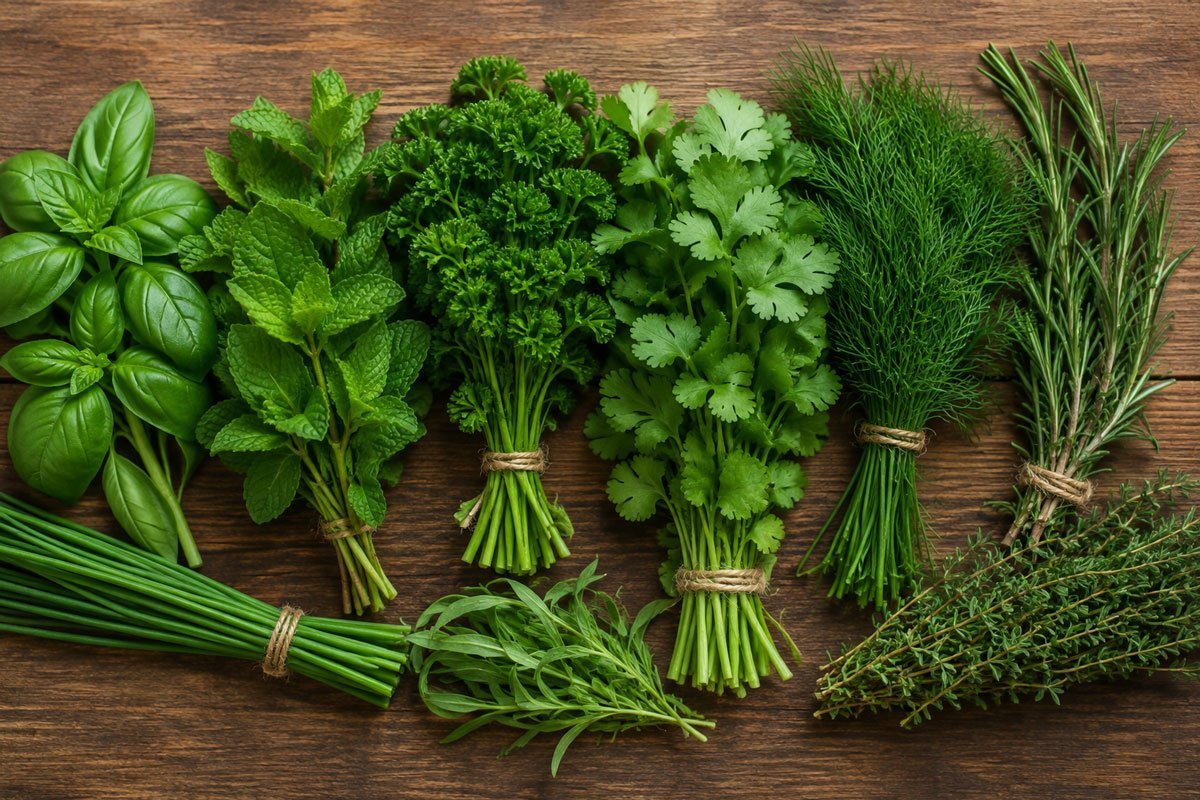
You buy a beautiful bunch of cilantro for tacos. Three days later it’s black slime in the crisper drawer. Fresh herbs are the most wasted grocery item in most kitchens — expensive per ounce, used by the tablespoon, dead within days. But most herbs can last 2–3 weeks with the right storage, not 3 days. The trick is knowing that different herbs want completely different treatment.
The Two Families of Herbs
Herbs split into two storage categories, and mixing them up is why most storage attempts fail:
- Soft herbs (cilantro, parsley, dill, mint, tarragon): treat like fresh flowers — water + refrigeration.
- Hardy herbs (rosemary, thyme, oregano, sage, chives): wrap and refrigerate — they hate excess moisture.
- Basil: the rebel — room temperature only. Cold turns it black.
How to Store Fresh Herbs So They Last Longer: Soft Herbs
For cilantro, parsley, dill, and mint:
- Trim the stems — cut ½ inch off the bottom, like flowers.
- Stand upright in a jar with 1–2 inches of water covering the stem ends.
- Cover loosely with a plastic bag (a produce bag works) — this creates a humid microclimate.
- Refrigerate and change the water every 2–3 days.
This method keeps cilantro and parsley fresh for 2–3 weeks — compared to 3–5 days tossed loose in the drawer. It’s the single highest-ROI kitchen habit I know.
Hardy Herbs: The Damp Towel Method
For rosemary, thyme, oregano, and sage:
- Don’t wash yet — wash right before use.
- Wrap loosely in a slightly damp paper towel — damp, not wet. Excess moisture rots them.
- Place in a zip-top bag, press out most air, seal.
- Refrigerate. They’ll keep 2–3 weeks (rosemary and thyme often longer).
Basil: Room Temperature Only
Basil blackens in the fridge — it’s a tropical plant that hates cold. Trim stems, stand in water at room temperature like a bouquet, loosely covered or uncovered. Keeps 7–10 days on the counter. Keep it out of direct sun.
What About Drying or Freezing?
When you can’t use them fresh in time:
- Freezing (best for soft herbs): chop, pack into ice cube trays with olive oil or water, freeze, then bag the cubes. Perfect for dropping into soups, sauces, and sautés. Not great for garnish (texture changes), excellent for cooking.
- Drying (best for hardy herbs): tie in bundles and hang upside down in a dark, ventilated spot for 1–2 weeks. Rosemary, thyme, oregano, and sage dry beautifully. Soft herbs lose too much flavor dried — freeze those instead.
- Herb butter or pesto: blend soft herbs with butter or oil, roll into logs, freeze. Instant flavor bombs for months.
Buying and Growing Smarter
- Buy whole bunches, not plastic clamshells when possible — better airflow, less trapped moisture, usually cheaper.
- Grow the high-use ones. A $4 basil plant on a sunny windowsill outperforms $4/week in grocery basil within a month. Mint, rosemary, thyme, and chives are nearly unkillable in pots.
- Use stems too. Cilantro and parsley stems are full of flavor — chop them into salsas, chimichurri, and stocks instead of discarding.
Proper herb storage is part of the bigger produce-longevity picture — our guide to keeping vegetables fresh longer covers the ethylene, humidity, and fridge-organization principles that apply to everything in the crisper drawer.
Herb-by-Herb Quick Reference
- Basil: counter in water, 7–10 days. NEVER refrigerate. Most cold-sensitive herb.
- Cilantro: jar in water in fridge, 2–3 weeks. The herb people waste most — this method fixes it.
- Parsley (flat or curly): jar in water in fridge, 2–3 weeks. The hardiest soft herb.
- Mint: jar in water in fridge, 2–3 weeks. Also roots easily in water — free plants.
- Dill: jar in water in fridge, 1–2 weeks. More delicate; use first.
- Rosemary: damp towel in bag in fridge, 3–4 weeks. Nearly indestructible.
- Thyme: damp towel in bag in fridge, 2–3 weeks.
- Oregano: damp towel in bag in fridge, 2–3 weeks. Dries excellently if surplus.
- Sage: damp towel in bag in fridge, 2–3 weeks. Dries beautifully for brown-butter dishes.
- Chives: damp towel in bag in fridge, 1–2 weeks. Snip with scissors; they regrow if potted.
- Tarragon: jar in water in fridge, 1–2 weeks. Delicate — buy only what you’ll use.
Freeze-or-dry rule of thumb: soft herbs (basil, cilantro, parsley, dill, mint) → freeze in oil cubes. Hardy herbs (rosemary, thyme, oregano, sage) → hang dry. Basil also makes excellent pesto for freezing — the best preservation method for a summer surplus.
Growing a Windowsill Herb Garden (The End of Buying Herbs)
The ultimate herb storage is not storing them at all — growing them. A sunny windowsill (6+ hours of light, or a $20 grow bulb) supports basil, mint, chives, parsley, and thyme year-round. Start with nursery plants ($4 each), not seeds — instant gratification. Water when the top inch is dry, harvest regularly (cutting encourages growth), and bring them in before first frost. Five plants replace $15–$20/week in grocery herbs within two months. It’s the highest-ROI gardening there is.
The sniff test beats the calendar: herbs don’t expire on a schedule — they tell you when they’re done. Soft herbs past their prime get slimy or develop off smells; hardy herbs get brittle and lose aroma. If a hardy herb still smells strongly when crushed, it’s good regardless of age. Trust your senses over the date you bought them, and you’ll waste less while cooking with better flavor.
One more space-saver: dedicate one fridge door shelf or a single crisper section as the “herb zone” — jars upright, towel-wrapped bundles together. When herbs have a designated home, you actually use them before they fade, instead of discovering them during a fridge cleanout. Visibility is the real preservation method.
Herbs are part of the bigger freshness picture — see our guide to keeping vegetables fresh longer — and FoodSafety.gov has storage-time charts for every herb and vegetable.
The Bottom Line
How to store fresh herbs so they last longer: soft herbs (cilantro, parsley) stand in water in the fridge like flowers; hardy herbs (rosemary, thyme) wrap in a damp towel in a bag; basil lives on the counter, never the fridge. Freeze the surplus in oil cubes before it turns. A $3 bunch of cilantro that lasts three weeks instead of three days changes the economics of cooking with fresh herbs entirely.