
 By admin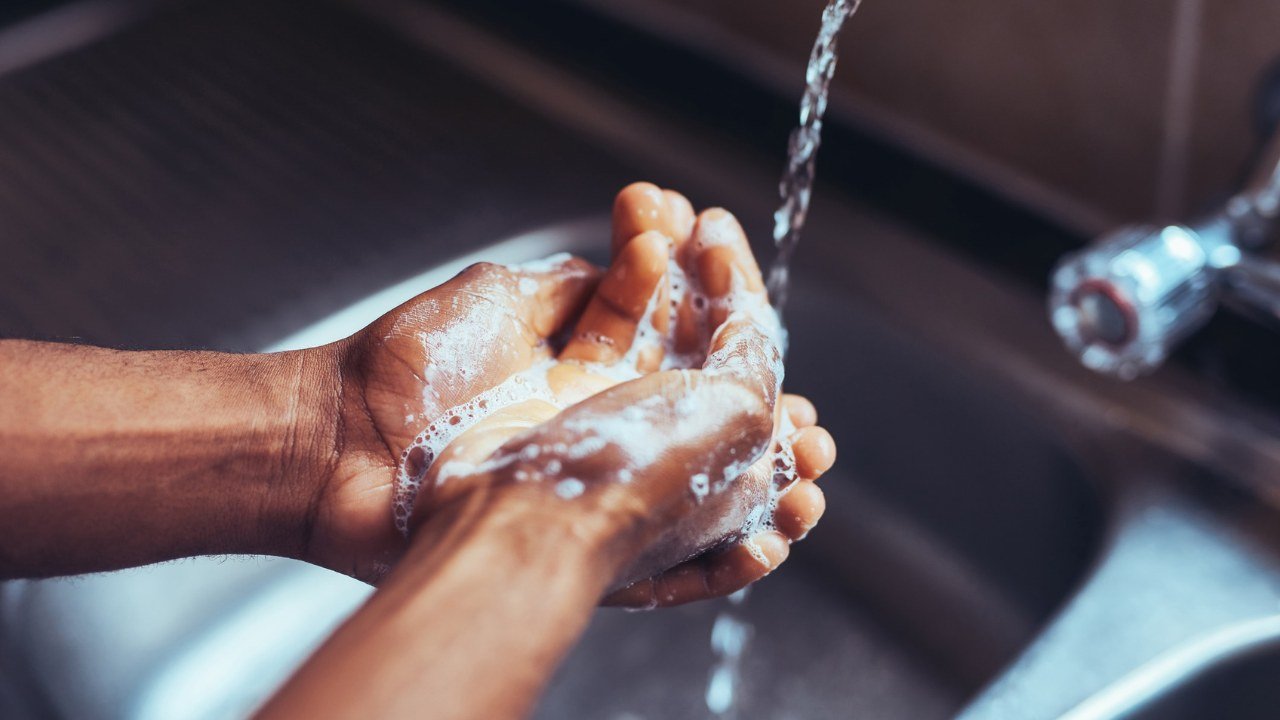
Every fall, the wellness industry tries to sell you immune “boosting” — mega-dose vitamins, exotic elixirs, powders with impressive names. Here’s the uncomfortable truth immunologists keep repeating: you can’t supercharge your immune system, and trying usually just empties your wallet. What you can do is stop undermining it and give it the support it needs. That’s less exciting, but it actually works.
Get the Flu Shot (Yes, Really)
Let’s start with the single most effective immune intervention for flu season: vaccination. The flu shot doesn’t “boost” your immune system in the abstract — it trains it specifically against influenza, which hospitalizes hundreds of thousands of Americans yearly. It takes about two weeks to build protection, so September/October timing is ideal. The CDC’s flu prevention guidance is the authoritative source on who needs it (nearly everyone over 6 months) and why the “the shot gave me the flu” story is a myth.
Sleep: The Immune System’s Night Shift
This is the big one people ignore. Studies that deliberately expose people to cold viruses find that those sleeping under 7 hours are roughly three times more likely to get sick than those sleeping 8+. Sleep is when your body produces infection-fighting cytokines and T-cells do their patrol work. One brutal week of short sleep measurably weakens immune response — and you can’t “catch up” on it the weekend before flu season.
How can I boost my immune system during flu season if my sleep is a mess? Fix that first, before buying a single supplement. Consistent bedtime, dark cool room, no scrolling in bed. It’s free and it outperforms every powder on the market.
Eat to support immunity (no superfoods required)
- Protein — antibodies are made of protein; skimping on it during flu season is counterproductive. Aim for a palm-sized portion at meals.
- Fruits and vegetables — vitamin C, vitamin A, and the phytonutrients in colorful produce all play supporting roles. No single food is magic; variety is the point.
- Vitamin D — deficiency is common in winter and linked to more respiratory infections. Many adults benefit from a supplement in the darker months; a blood test tells you if you’re low.
- Zinc — adequate zinc matters for immune function; meat, beans, nuts, and seeds cover it. Mega-doses don’t help and can backfire.
- Probiotic and fermented foods — much of the immune system lives in gut-associated tissue, and fermented foods support a healthy gut microbiome.
How Can I Boost My Immune System During Flu Season? Exercise and Hygiene
Moderate exercise — brisk walking, cycling, swimming — is linked to fewer respiratory infections and better vaccine response. But there’s a caveat: extremely intense, prolonged exercise (marathon training, brutal daily HIIT) temporarily suppresses immunity. During flu season, “consistent and moderate” beats “punishing.”
And the least glamorous advice remains among the most effective: wash your hands, don’t touch your face, and stay home when you’re sick. Flu spreads through droplets and contaminated surfaces; breaking that chain with soap and distance is epidemiology 101. Ventilation helps too — crack a window in crowded indoor spaces when you can.
Manage stress while you’re at it. Chronic stress raises cortisol, which suppresses immune function — it’s one reason people get sick right after a brutal work deadline. The National Institutes of Health has good explainers on the stress-immunity connection if you want the science.
Flu Season Myths, Busted
- “The flu shot gives you the flu.” Impossible — injectable flu vaccines contain inactivated virus. Feeling achy for a day is your immune system responding, which is the point.
- “I never get sick, so I don’t need it.” Healthy people spread flu to vulnerable people. Vaccination is partly community protection — and “never” is a streak, not immunity.
- “Vitamin C megadoses prevent colds.” Decades of research: regular vitamin C doesn’t prevent colds for most people (it may slightly shorten them). 5,000 mg tablets are expensive urine.
- “Feed a cold, starve a fever.” Just eat normally and stay hydrated for both. Your body needs fuel to fight infection either way.
- “Cold weather makes you sick.” Viruses make you sick; cold weather just drives people indoors together and may dry nasal mucous membranes. The virus is still required.
- “Antibiotics help the flu.” Flu is viral; antibiotics do nothing except cause side effects and resistance. Antivirals (different drugs) are the flu treatment.
Building the flu-season household kit
Prepare before anyone’s sick: a thermometer, fever reducers (acetaminophen/ibuprofen), honey (for coughs, adults and kids over 1), saline spray, tissues, electrolyte drinks, easy soups and crackers, and a pulse oximeter (cheap, useful for peace of mind with respiratory illness). Know your doctor’s after-hours line and the nearest urgent care before the 2 a.m. fever. And have a sick-day plan for work/kids in advance — scrambling for childcare with a 102°F fever is miserable. Flu season rewards the prepared and punishes the optimistic.
When to See a Doctor About Flu
Most flu resolves at home, but certain situations warrant prompt medical care:
- High-risk groups: adults 65+, pregnant women, young children, and people with asthma, diabetes, heart disease, or weakened immunity should contact their doctor early — antivirals work best within 48 hours.
- Trouble breathing or chest pain: don’t wait — these need urgent evaluation.
- Dehydration signs: dizziness, very dark urine, inability to keep fluids down.
- Fever that won’t break after several days, or symptoms that improve then sharply worsen (possible secondary bacterial infection like pneumonia).
- Severe weakness or confusion, especially in older adults — flu can present atypically with age.
Caring for someone with flu (without getting it)
Flu caregiving is a containment operation: designate one caregiver (fewer exposed people = fewer cases), the sick person wears a mask in shared spaces if they can tolerate it, ventilate (open windows, run fans — dilution is the solution), disinfect high-touch surfaces daily (doorknobs, phones, bathroom fixtures), separate towels, dishes, and bedding, and the caregiver washes hands obsessively. Keep the patient hydrated (small frequent sips beat big glasses when nauseous), fed lightly as appetite returns, and resting — the biggest caregiving mistake is letting them “push through” too early, which prolongs illness and spreads virus. And caregivers: sleep and eat well yourself. Running yourself into the ground while nursing someone is how households get sequential flu — the relay nobody wants to win.
The Practical Takeaway
Get vaccinated, sleep 7–9 hours, eat enough protein and produce, exercise moderately, wash your hands, and manage stress. Nobody’s selling this advice because it’s free — which is exactly why you should trust it. You might also like Cold vs. Flu: How to Tell the Difference and The Best Low-Impact Exercises for Bad Knees.