
 By admin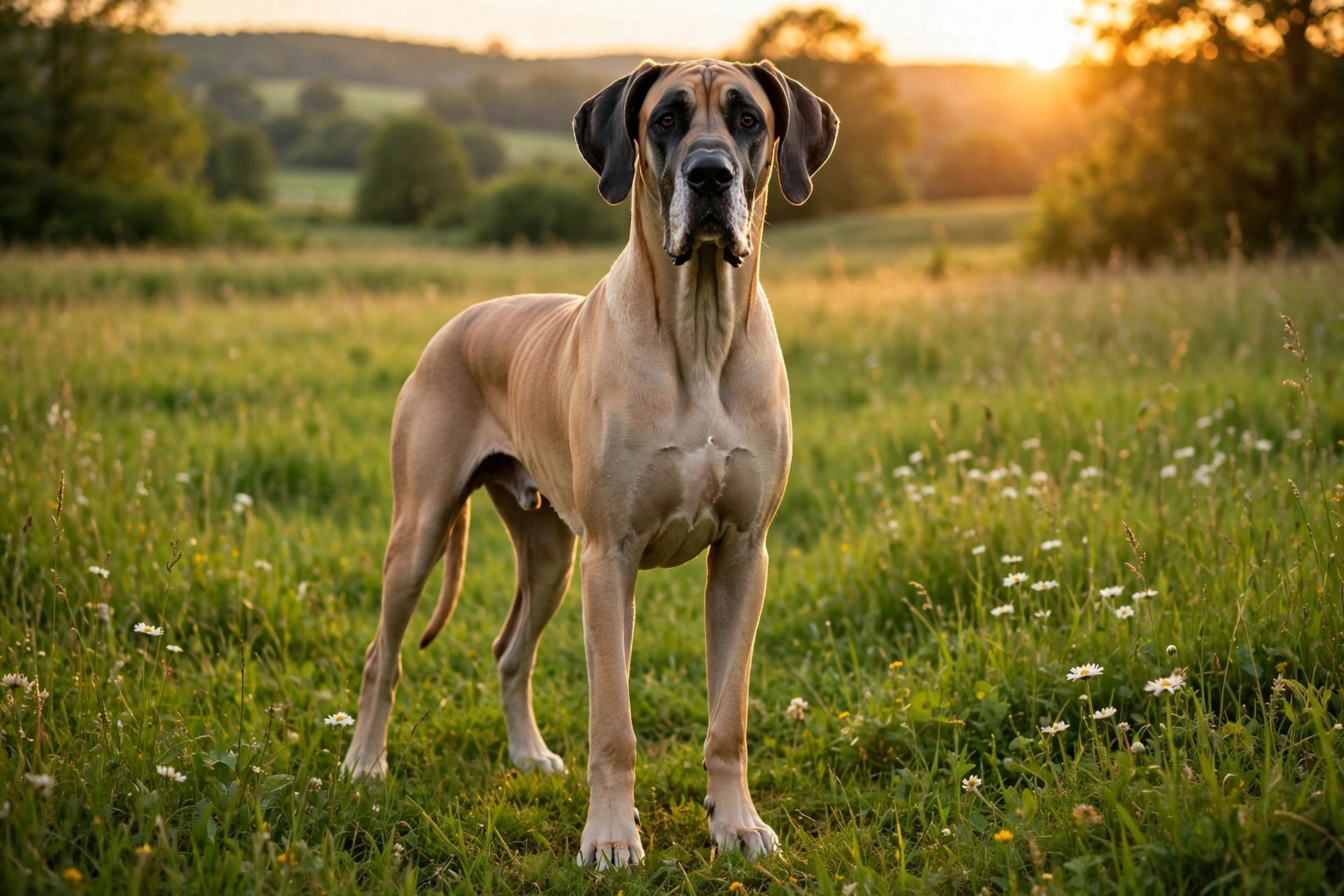
Quick Answer: Great Danes live 7–10 years on average, with 8 years being typical. As a giant breed, they age faster than smaller dogs — but excellent nutrition, healthy weight, and preventive vet care can push many Danes to 10 or even 11. The biggest threats to their lifespan are bloat (gastric dilatation-volvulus), heart disease, and bone cancer.
The Short but Sweet Life of a Giant Breed
There’s a cruel trade-off in the dog world: the bigger the dog, the shorter the life. Great Danes, standing up to 32 inches at the shoulder and weighing 110–175 pounds, embody this rule. While a Chihuahua might celebrate a 16th birthday, a Great Dane reaching 10 is a venerable senior. Understanding why — and what you can do about it — helps every Dane owner make those years count.
Average Great Dane Lifespan: The Numbers
- Average: 7–10 years, with most sources citing around 8 years
- Common range: The majority of Danes live between 7 and 9
- Exceptional: 10–12 years is achievable with outstanding care and good genetics; verified cases past 12 are rare
- By comparison: Medium breeds average 10–13 years, small breeds 12–16 years
Giant breeds age faster at the cellular level — their bodies simply wear out sooner. A Great Dane is considered a senior by age 6 or 7, while a small breed the same age is solidly middle-aged.
What Shortens a Great Dane’s Life?
Bloat (Gastric Dilatation-Volvulus)
Bloat is the number one killer of Great Danes and every owner’s nightmare. The stomach fills with gas and twists, cutting off blood flow — without emergency surgery, it’s fatal within hours. Deep-chested giant breeds are at extreme risk. Reduce the odds by feeding 2–3 smaller meals daily instead of one large meal, using a slow-feeder bowl, avoiding vigorous exercise for an hour after eating, and discussing prophylactic gastropexy (stomach-tacking surgery, often done during spay/neuter) with your vet. Know the signs: restlessness, drooling, a visibly swollen abdomen, and unproductive retching mean get to an emergency vet immediately.
Dilated Cardiomyopathy (DCM)
Heart disease strikes a large percentage of Great Danes, often silently until it’s advanced. Annual cardiac screening — including echocardiograms once your Dane hits middle age — catches it early when medication can add meaningful time. Warning signs include coughing, exercise intolerance, and fainting.
Bone Cancer (Osteosarcoma)
Large and giant breeds are disproportionately affected by osteosarcoma, an aggressive bone cancer that typically appears in the legs of middle-aged to older dogs. Persistent limping that doesn’t resolve with rest warrants an X-ray sooner rather than later.
Hip Dysplasia and Joint Disease
While rarely fatal directly, severe orthopedic problems reduce quality of life and activity, which accelerates decline. Keeping a Dane lean is the single most effective joint protection there is.
How to Help Your Great Dane Live Longer
Keep Them Lean
This is the highest-impact thing you can do. Studies across breeds show lean dogs live up to 2 years longer than overweight ones — and in a breed that only gets 8 years, that’s enormous. You should feel (not see) your Dane’s ribs, and they should have a visible waist from above. Most pet Danes in the US are overweight; ask your vet for an honest body condition score.
Feed for Slow, Steady Growth
For puppies, rapid growth is the enemy. Feed a large-breed puppy formula with controlled calcium and calories, and aim for slow, even growth — your Dane puppy should look lanky, not chunky. Over-nutrition during growth contributes to orthopedic disasters like wobbler syndrome and uneven bone development.
Exercise Smart
Adult Danes need regular moderate exercise — daily walks and play sessions keep weight down and joints mobile. But avoid forced running or jumping on hard surfaces for puppies under 18 months while growth plates are still open. Swimming is ideal: full-body exercise with zero joint impact.
Preventive Vet Care
- Annual exams with twice-yearly senior checkups starting at age 6
- Cardiac screening (echocardiogram) for early DCM detection
- Keep vaccinations, parasite prevention, and dental care current — dental disease seeds bacteria into the bloodstream and stresses the heart
- Consider pet insurance early; emergency bloat surgery alone can cost $3,000–$7,000 in the US
Choose Genetics Wisely
If you’re getting a puppy, choose a breeder who health-tests breeding dogs for cardiac issues, hip dysplasia, and eye problems — and who can tell you how long their dogs’ ancestors lived. Longevity has a heritable component, and lines with multiple 10-year-olds are worth seeking out.
Life Stages of a Great Dane
- Puppy (0–18 months): Explosive growth — a Dane puppy can gain 5+ pounds a week. Focus on controlled nutrition, gentle socialization, and protecting growing joints.
- Young adult (18 months–3 years): Growth plates close; the goofy giant matures physically. Peak athletic years.
- Adult (3–6 years): Prime of life. Maintain weight, fitness, and preventive care.
- Senior (6+ years): Graying muzzle, slowing down, possible stiffness. Switch to senior checkups twice a year, consider joint supplements (ask your vet), orthopedic bedding, and ramps instead of stairs.
Signs Your Senior Dane Is Thriving
With a shorter-than-average lifespan, it’s easy to start worrying the moment your Dane hits six. Instead of counting birthdays, watch for quality-of-life signals. A thriving senior Dane still greets you with enthusiasm, eats eagerly, enjoys walks (even shorter ones), and sleeps comfortably through the night. Warning flags that warrant a vet visit include sudden weight loss, reluctance to stand or climb stairs, coughing at rest, a distended belly, or any lump that appears or grows quickly. Catching problems early is everything in a giant breed — their large bodies can mask illness until it’s advanced, so don’t adopt a wait-and-see approach with new symptoms. Twice-yearly senior bloodwork gives your vet a baseline to spot subtle changes before they become crises.
Further Reading
- How Long Do Raccoons Live? Complete Answer (2026)
- How Long Do Boston Terriers Live? Complete Answer
- How Long Do Dobermans Live? Complete Answer (2026)
- ASPCA’s pet care resources
- AKC’s dog breed guide
Frequently Asked Questions
What is the oldest Great Dane ever?
Verified cases of Great Danes reaching 12–13 years exist but are exceptional. Most longevity claims beyond that lack documentation. A well-cared-for Dane reaching 10–11 is already beating the odds impressively.
Do male or female Great Danes live longer?
Females tend to live slightly longer than males — typically by 6 to 12 months — a pattern seen across most dog breeds. Spayed/neutered dogs also tend to outlive intact ones, partly by avoiding reproductive cancers.
Why do Great Danes die young compared to small dogs?
Giant breeds have faster metabolisms, produce more cell-damaging free radicals, and their hearts and joints work harder supporting massive bodies. They essentially live life at fast-forward — reaching in 8 years the biological age a small dog reaches in 14.
Is 7 old for a Great Dane?
Yes — 7 is solidly senior for the breed. But “old” doesn’t mean done: many 7- and 8-year-old Danes are still joyful, active companions with good quality of life, especially if kept lean and fit.
How much does it cost to care for a Great Dane?
Budget $2,000–$3,500 per year for food, routine vet care, and preventives — giant breeds eat 6–10 cups of quality food daily, and everything from medications to surgery costs more at their size. Emergency bloat surgery can run $3,000–$7,000. Pet insurance ($50–$100/month) is strongly recommended.
Conclusion
Great Danes give you 7–10 years on average — fewer than you’d want, but every one of them is memorable. You can’t change their genetics, but you can absolutely change the odds: keep them lean, feed for slow growth, prevent bloat, screen the heart, and stay ahead of problems with proactive vet care. Do that, and you give your gentle giant the best possible shot at reaching double digits.
[…] How Long Do Great Danes Live? Complete Answer (2026) […]
[…] How Long Do Great Danes Live? Complete Answer (2026) […]