
 By admin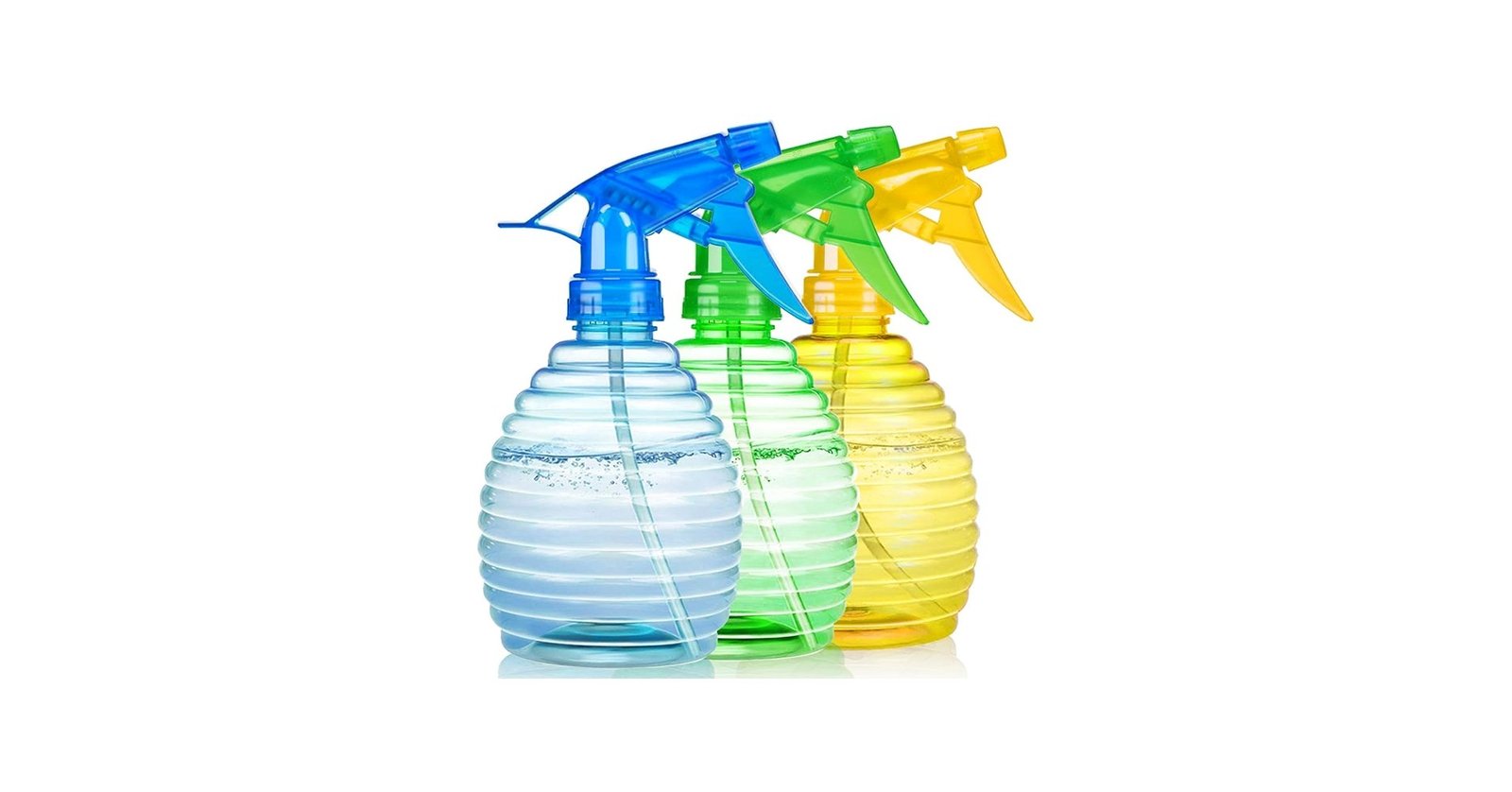
I’ve tried every cleaning schedule on the internet. The color-coded ones, the 30-day challenges, the ones that assume I have a housekeeper’s stamina and a child’s free time. They all died within two weeks. If you’re asking how do I create a cleaning schedule that actually works, the secret is uncomfortable: the schedule has to fit your actual life, not the life of whoever wrote the template.
Why Cleaning Schedules Fail
Most fail for three reasons. They’re too ambitious (two hours every Saturday — sure, until life happens). They’re too rigid (Tuesday is bathroom day, even when Tuesday is chaos). And they live in someone’s head instead of on paper, so they evaporate under stress. A working schedule is modest, flexible, and visible.
How Do I Create a Cleaning Schedule That Actually Works? Start With Tiers
Divide every task into three tiers. This is the whole system:
- Daily (10-15 min total): make beds, one load of dishes, wipe kitchen counters, 5-minute whole-house pickup. That’s it. Dailies prevent the avalanche.
- Weekly (one zone per day, 20-30 min): Monday bathrooms, Tuesday dusting, Wednesday vacuuming, Thursday kitchen deep-clean, Friday laundry + sheets. Assign zones to days with the lightest schedules.
- Monthly (one weekend task): windows, baseboards, oven, fridge cleanout, ceiling fans. Rotate one per month — twelve tasks, one year, everything covered.
The magic is that weekly zones replace the dreaded “clean the whole house Saturday” marathon. Twenty focused minutes beats two resentful hours every time.
Build It Around Your Real Week
Look at your actual calendar. Nightmare workdays get zero tasks. The day before trash pickup gets “take out trash” automatically. If weekends are sacred, shift weekly zones to weekday evenings. A schedule you’ll follow at 70 percent beats a perfect one you abandon — aim for consistency, not completion.
Put it where you’ll see it: fridge, phone reminders, or a shared family app. Invisible schedules don’t exist.
Get the Whole Household Involved
A schedule only one person follows is just a resentment generator. Assign age-appropriate zones: kids can own bathrooms (mirrors, counters), dusting, or pet areas. The trick is making it non-negotiable routine rather than a daily negotiation — our guide to getting kids to help with chores has the exact scripts that end the arguing.
Pet owners: add a 5-minute daily pet-zone reset (vacuum the favorite nap spots, shake out the bed) and your weekly vacuuming gets dramatically easier. See our tips for keeping your house clean with pets for the full routine.
Stock a Cleaning Caddy
Friction kills cleaning. Keep one portable caddy with everything: all-purpose spray, glass cleaner, bathroom cleaner, microfiber cloths, scrub brush, gloves. When supplies travel with you, there’s no “I’ll do it later when I gather everything” — later never comes. Refill it monthly so you’re never mid-task without spray.
A Note on What “Clean” Means
There’s a difference between tidy, clean, and disinfected, and you don’t need hospital standards everywhere. Focus disinfecting on high-touch points — doorknobs, light switches, faucet handles, remotes. The CDC’s hygiene guidance confirms that routine cleaning with soap and water handles most household needs; save disinfectants for kitchens, bathrooms, and illness.
The 15-Minute Nightly Reset
If you adopt one habit from this article, make it this: every night, set a timer for 15 minutes and the whole household resets the main living areas. Dishes in, counters clear, toys corralled, clothes in hampers. Waking up to a reset house changes your entire morning — and it makes the weekly zones dramatically faster because you’re never starting from chaos.
Adapting the Schedule to Your Home
A studio apartment and a four-bedroom house don’t need the same schedule. Scale the system:
- Small apartment: merge zones. Monday becomes “bathroom + dusting” (30 min total), Wednesday “floors + kitchen.” You’ll finish weekly tasks in two sessions.
- Large home: split zones across more days or assign floors to different days. Upstairs bathrooms Monday, downstairs Thursday.
- Roommates: rotate zones weekly so nobody’s stuck with bathrooms forever. Post the rotation visibly — accountability dies in group chats.
- Busy season (holidays, new baby): drop to dailies + one weekly zone. Survival mode is a valid schedule. The system will still be there when life calms down.
Seasonal Tasks Worth Scheduling
A few jobs done twice a year prevent bigger headaches. Add these to your calendar for spring and fall:
- Wash windows inside and out, and wipe down blinds or curtains.
- Deep-clean the fridge and freezer, tossing the ancient and the mysterious.
- Flip or rotate mattresses and wash pillows.
- Clean dryer vents and replace HVAC filters — this one’s genuinely about safety and efficiency.
- Declutter one category (clothes, books, kitchen gadgets) before the holidays bury you.
None of these take more than an hour or two, and knocking them out on schedule means you never face the dreaded whole-house deep clean again. That’s the real payoff of the system: cleaning stops being an event and becomes background maintenance, like brushing your teeth.
Sample Schedule to Steal
- Daily: beds, dishes, counters, 5-min pickup, nightly reset
- Mon: bathrooms (toilets, mirrors, counters)
- Tue: dust living areas + bedrooms
- Wed: vacuum/mop all floors
- Thu: kitchen (appliances, microwave, cabinet fronts)
- Fri: laundry, change sheets, take out trash
- Monthly: one deep task (oven, windows, baseboards, fridge…)
When to Hire Help Instead
There’s no shame in outsourcing. Consider a cleaning service if any of these are true:
- Both partners work 50+ hour weeks and weekends are your only time together.
- You’re in a demanding season (newborn, illness, crunch time at work) and something has to give.
- You’ve tried the schedule honestly for a month and the house still isn’t getting clean — the system might be fine, but the hours might not exist.
A biweekly deep clean ($120 to $200 depending on your market) plus your daily 15-minute resets is the sweet spot for many families: pros handle bathrooms, floors, and dusting; you handle the daily maintenance that keeps it nice between visits. Think of it as buying back your Saturdays, not admitting defeat.
Try it for three weeks before judging. The first week feels clunky; by week three it’s background rhythm. That’s when you know it’s actually working.
[…] entirely because the schedule — not you — is the authority. This pairs perfectly with a family cleaning schedule that assigns everyone a […]