
 By admin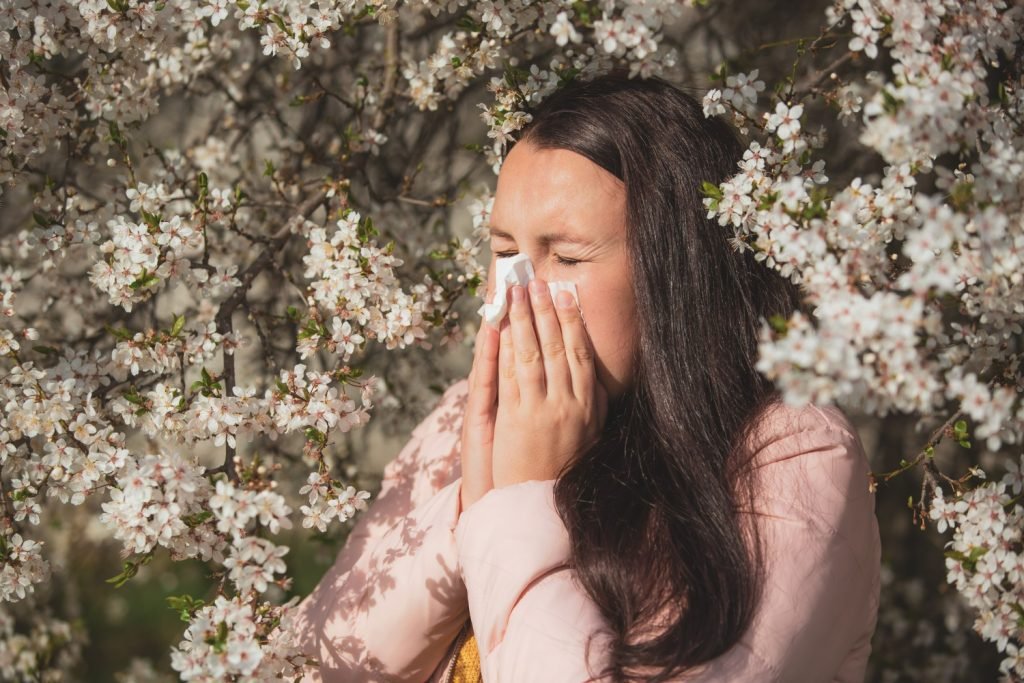
Spring arrives, the trees bloom, and your face stages a full revolt: itchy eyes, endless sneezing, a nose that alternates between Niagara Falls and concrete. Antihistamines like diphenhydramine (Benadryl) work, but the drowsiness can be worse than the allergies — nobody wants to choose between sneezing and napping at their desk.
The good news is that drowsy pills are far from your only option. Modern allergy management has better tools, and some of the most effective ones aren’t pills at all.
Start With Nasal Steroid Sprays — They’re the Heavy Hitters
If you take one thing from this article, make it this: intranasal corticosteroid sprays (fluticasone/Flonase, triamcinolone/Nasacort, budesonide/Rhinocort) are the most effective over-the-counter allergy treatment for nasal symptoms, and they don’t cause drowsiness. Most people underuse them because they expect instant relief like a decongestant spray — but steroid sprays need a few days of consistent daily use to reach full effect.
Technique matters: aim the nozzle outward, toward your ear, not straight up toward the middle of your nose. Spraying at the septum causes nosebleeds and wastes the dose. Use it daily through your allergy season, not just on bad days — it’s preventive, not rescue.
How Do I Deal With Seasonal Allergies Without Drowsy Medicine? Layer These Strategies
- Second-generation antihistamines. Loratadine (Claritin), cetirizine (Zyrtec), and fexofenadine (Allegra) are designed to be non-drowsy. Cetirizine causes mild drowsiness in a minority of people; fexofenadine is the least sedating of the three. Take them daily during your season, ideally starting a week or two before pollen peaks.
- Saline rinses. A neti pot or saline spray physically washes pollen out of your nasal passages. Use distilled or boiled water — never straight tap water — and it genuinely reduces how much medication you need.
- Time your outdoors. Pollen counts peak in the morning and on windy days. Exercise in the late afternoon or after rain, when counts drop. Check your local pollen forecast like you’d check the weather.
- Shower and change after being outside. Pollen rides home in your hair and on your clothes, then transfers to your pillow. An evening shower plus fresh pillowcases breaks the overnight exposure cycle.
- Keep windows closed; filter the air. A HEPA filter in the bedroom makes a measurable difference. Your car too — use recirculated air during high-pollen drives.
- Sunglasses outdoors. Wraparound styles keep pollen out of itchy eyes, which sounds minor until you try it.
For itchy eyes specifically
Antihistamine eye drops (ketotifen/Zaditor, now OTC) target eye symptoms directly without the systemic drowsiness of pills. They’re underused and very effective — refrigerate them for extra soothing relief. Avoid “redness relief” drops for daily use; they can cause rebound redness.
When to Consider Allergy Shots or Sublingual Tablets
If every spring ruins a month of your life despite doing everything above, ask an allergist about immunotherapy — allergy shots or under-the-tongue tablets that gradually desensitize your immune system. It’s a multi-year commitment, but it’s the only treatment that changes the underlying allergy rather than masking symptoms, and the benefits often persist after stopping. The American Academy of Allergy, Asthma & Immunology has a find-an-allergist tool and clear explainers on who benefits most.
One thing to skip: oral decongestants like pseudoephedrine can raise blood pressure and cause jitteriness and insomnia — trading drowsiness for wired isn’t an upgrade for most people. And be wary of “natural” allergy cures with big claims; the FDA has warned about several, and local honey, for the record, has no good evidence behind it (charming idea, though).
Allergy-Proofing Your Home
Since Americans spend ~90% of time indoors, your house is the allergy battlefield that matters most:
- Bedroom first. Allergen-proof covers on mattress and pillows (the mite barrier that actually works), wash bedding weekly in hot water, and keep pets out of the bedroom if you’re dander-sensitive.
- HEPA filtration. A HEPA air purifier in the bedroom plus a HEPA vacuum for floors. Central HVAC filters upgraded to MERV 11–13 help the whole house.
- Control humidity. Dust mites thrive above 50% humidity; a dehumidifier in damp areas starves them. Mold hates dry air too.
- Reduce reservoirs. Wall-to-wall carpet, heavy drapes, and cluttered shelves collect allergens; hard floors, washable curtains, and closed storage are easier to keep clean.
- Entryway discipline. Shoes off at the door, jackets hung immediately (not on bedroom furniture), and a quick clothes change after high-pollen days.
Know your pollen calendar
“Seasonal” allergies have seasons: tree pollen (spring), grass pollen (late spring/summer), ragweed (fall), plus year-round indoor triggers (dust mites, mold, pets). Knowing your trigger changes the strategy — tree-pollen sufferers need spring defenses; ragweed sufferers need August/September plans. An allergist’s skin test identifies your specific triggers in 20 minutes, which beats guessing for years. And start medications 1–2 weeks before your season — pre-loading nasal steroids and antihistamines works far better than chasing symptoms after they’ve started.
Allergy Medications Compared Honestly
The OTC allergy aisle is overwhelming. Here’s the straight comparison:
- Nasal steroid sprays (Flonase, Nasacort): most effective for congestion, sneezing, runny nose. Need daily use; take days to peak. Minimal systemic absorption. First choice for most.
- Oral antihistamines — Claritin (loratadine): 24-hour, reliably non-drowsy, gentle. Good baseline choice.
- Zyrtec (cetirizine): slightly more effective for some, but causes drowsiness in ~10–15% of users. Try it on a weekend first.
- Allegra (fexofenadine): least sedating of all; must be taken on an empty stomach (fruit juice reduces absorption).
- Eye drops (Zaditor/ketotifen): best for itchy eyes specifically; twice daily.
- Decongestants (Sudafed/pseudoephedrine): effective for stuffiness but raise blood pressure, cause insomnia/jitters, and can’t be used long-term. Behind the pharmacy counter for a reason.
- Older antihistamines (Benadryl): effective but sedating and anticholinergic — sleep experts and geriatricians increasingly advise against regular use, especially in older adults.
Combining treatments safely
Layering is normal and often necessary: nasal steroid + oral antihistamine + eye drops is a common effective stack, since they work by different mechanisms. What’s not useful: doubling up on two oral antihistamines (more side effects, not more relief), or using decongestant sprays (Afrin) beyond 3 days — the rebound congestion trap is real and miserable. Read combination products carefully: many “allergy + congestion” pills just bundle an antihistamine with a decongestant you’d rather dose separately. And if you’re managing other conditions (high blood pressure, glaucoma, prostate issues), run your allergy plan past a pharmacist — they catch interactions in 30 seconds that you’d never spot from labels alone.
The Practical Takeaway
Daily nasal steroid spray plus a non-drowsy antihistamine, layered with saline rinses, pollen timing, and bedroom air filtration, controls most seasonal allergies without a single drowsy pill. If that’s not enough, an allergist and immunotherapy are your next step. Keep exploring: How Much Protein Do You Actually Need Per Day? and The Best Low-Impact Exercises for Bad Knees.