 By admin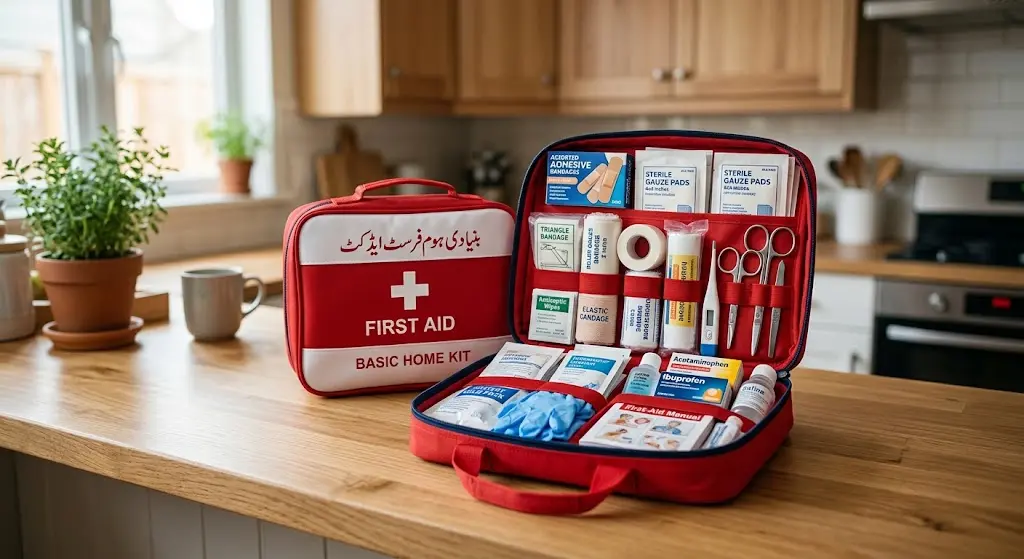
A small first-aid kit is one of those things you may not think about until you actually need it. A minor cut while cooking, a scraped knee, a small burn, or a headache can happen at any time. Having basic supplies in one easy-to-find place can help you deal with common household injuries quickly.
But what should you include in a basic home first-aid kit? You do not need to fill a box with every medical product available. A practical kit should contain simple supplies that can help with minor cuts, wounds, burns, sprains, and other everyday problems.
Here is a straightforward checklist to help you put together a useful home first-aid kit.
1. Adhesive Bandages
Adhesive bandages are one of the most useful items in any first-aid kit. Keep several sizes available because small cuts and scrapes can vary in size.
Choose waterproof or flexible bandages if possible, especially for areas such as fingers and hands that are frequently exposed to water.
2. Sterile Gauze Pads
Sterile gauze pads can be useful for covering larger cuts and wounds that cannot be comfortably covered with a standard adhesive bandage.
Keep several sizes in your kit. Gauze can also be used with medical tape to hold a dressing securely in place.
3. Medical Tape
Medical tape helps secure gauze and other dressings. A roll of hypoallergenic medical tape is a useful choice for a household kit.
It is also a good idea to keep scissors nearby so you can cut the tape to the appropriate length.
4. Antiseptic Wipes
Antiseptic wipes can be useful for cleaning around minor injuries. They are convenient because they are individually packaged and easy to store.
For wounds, follow appropriate first-aid guidance and avoid putting harsh chemicals into deep wounds. Clean water is often suitable for rinsing minor cuts and scrapes.
5. Antibiotic or Protective Ointment
A small tube of an appropriate wound ointment can be useful for minor cuts and scrapes. However, not every wound requires antibiotic ointment.
Always follow the product instructions, check for allergies, and avoid using products on serious wounds without professional medical advice.
6. Tweezers
A pair of clean, fine-tipped tweezers can be helpful for removing small splinters or debris from the skin.
Before using tweezers, clean them properly. If an object is deeply embedded, painful to remove, or located near the eye, it is safer to seek medical care rather than trying to remove it yourself.
7. Small Scissors
Scissors can be used to cut medical tape, gauze, or clothing around an injury when necessary.
Keep a small pair specifically for your first-aid kit and store them safely.
8. Disposable Gloves
Disposable gloves help protect both the injured person and the person providing first aid.
Nitrile gloves are a practical option for many home first-aid kits. Keep several pairs in case more than one pair is needed.
9. Instant Cold Pack
An instant cold pack can be useful for minor bumps, bruises, and some sprains. It is particularly convenient because it does not require refrigeration.
When using a cold pack, wrap it in a cloth rather than applying it directly to the skin for an extended period.
10. Digital Thermometer
A digital thermometer is a useful addition to a home first-aid kit. It can help you check body temperature when someone feels unwell.
Choose a reliable thermometer and follow the manufacturer’s instructions for proper use and cleaning.
11. Pain and Fever Medicine
Depending on the needs of your household, you may want to keep commonly used over-the-counter pain or fever medicines in a secure place.
Always check the label for the correct dose and age restrictions. Keep medicines in their original packaging and never give medication to a child unless the product is appropriate for their age and the directions are followed.
If someone takes prescription medication or has a medical condition, ask a healthcare professional which over-the-counter medicines are appropriate.
12. Elastic Bandage
An elastic bandage can be useful for providing support for certain minor sprains or strains.
However, it should not be wrapped so tightly that it causes numbness, tingling, increased pain, or changes in skin color. For a significant injury, professional medical evaluation may be necessary.
13. Emergency Contact Information
A first-aid kit does not have to contain only medical supplies. Keep a small card with important emergency information, such as local emergency services, your doctor or healthcare provider, and important household contacts.
This can save time when someone is stressed or unable to find contact information quickly.
14. First-Aid Instructions
Consider keeping a basic first-aid guide with your supplies. It can be especially helpful for people who have not taken a first-aid course.
You can also make a simple list of important steps for common emergencies, but serious injuries should always receive appropriate professional medical attention.
How to Organize Your Home First-Aid Kit
A first-aid kit is most useful when you can find it quickly.
Store everything in a clean, waterproof container and keep frequently used items easy to reach. At the same time, medicines and potentially dangerous items should be kept away from young children.
It can also help to divide the supplies into small sections, such as:
- Wound care
- Medicines
- Bandages and dressings
- Tools
- Emergency information
Consider checking your kit every few months. Replace expired medicines, damaged packaging, used bandages, and dried-out products.
What Should You Not Put in a Home First-Aid Kit?
You do not need to store large quantities of medication or specialized medical equipment in a basic household kit.
Avoid keeping expired medicines, unlabeled tablets, damaged sterile packages, or products you do not know how to use. A first-aid kit should contain practical supplies that household members understand.
It is also important to remember that a first-aid kit is designed for minor injuries and basic emergencies. It is not a replacement for professional medical care.
When Should You Seek Medical Help?
A first-aid kit can help with minor problems, but some situations require immediate medical attention.
Seek professional help for serious bleeding, deep wounds, severe burns, suspected broken bones, serious head injuries, difficulty breathing, loss of consciousness, severe allergic reactions, or any injury that appears serious or is getting worse.
If you are unsure whether an injury is serious, it is better to contact a qualified healthcare professional for advice.
Final Thoughts
Knowing what should you include in a basic home first-aid kit can make everyday emergencies easier to manage. A good kit does not need to be expensive or complicated. Basic items such as bandages, gauze, medical tape, gloves, tweezers, scissors, a thermometer, and an instant cold pack can cover many common household situations.
The most important part is keeping your supplies organized, checking them regularly, and knowing when a minor injury needs professional medical attention. If your household has children, older adults, pets, or specific medical needs, you can also adjust your first-aid kit accordingly.
FAQs
What are the most important items in a home first-aid kit?
Basic essentials include adhesive bandages, sterile gauze, medical tape, disposable gloves, antiseptic wipes, tweezers, scissors, an instant cold pack, and a digital thermometer.
How often should I check my first-aid kit?
Check your first-aid kit every few months and after using it. Replace expired medicines, used supplies, damaged packaging, and items that are no longer in good condition.
Where should I keep my home first-aid kit?
Keep it in a clean, dry, easily accessible location. Medicines and potentially harmful items should be stored securely away from children.
Should I keep medicine in my first-aid kit?
You can keep commonly used over-the-counter medicines if they are appropriate for your household. Keep them in their original packaging and follow the label instructions carefully.
Do I need a first-aid kit if I already have medicine at home?
Yes. Medicines alone do not provide supplies for cuts, scrapes, burns, sprains, or other minor injuries. A basic first-aid kit combines several useful types of supplies in one place.
Can I make my own first-aid kit?
Yes. Making your own kit is a practical way to choose supplies based on your household’s needs. Start with basic wound-care supplies and add other appropriate items as needed.
When should a minor injury be treated by a doctor?
Seek medical advice if a wound is deep, bleeding heavily, severely painful, infected-looking, caused by a serious accident, or not improving. Serious symptoms such as breathing difficulty or loss of consciousness require urgent medical attention.
What should I do if something in my first-aid kit has expired?
Replace expired medicines and products according to the manufacturer’s instructions. Do not use expired or damaged supplies simply because they are still in the kit.