
 By admin
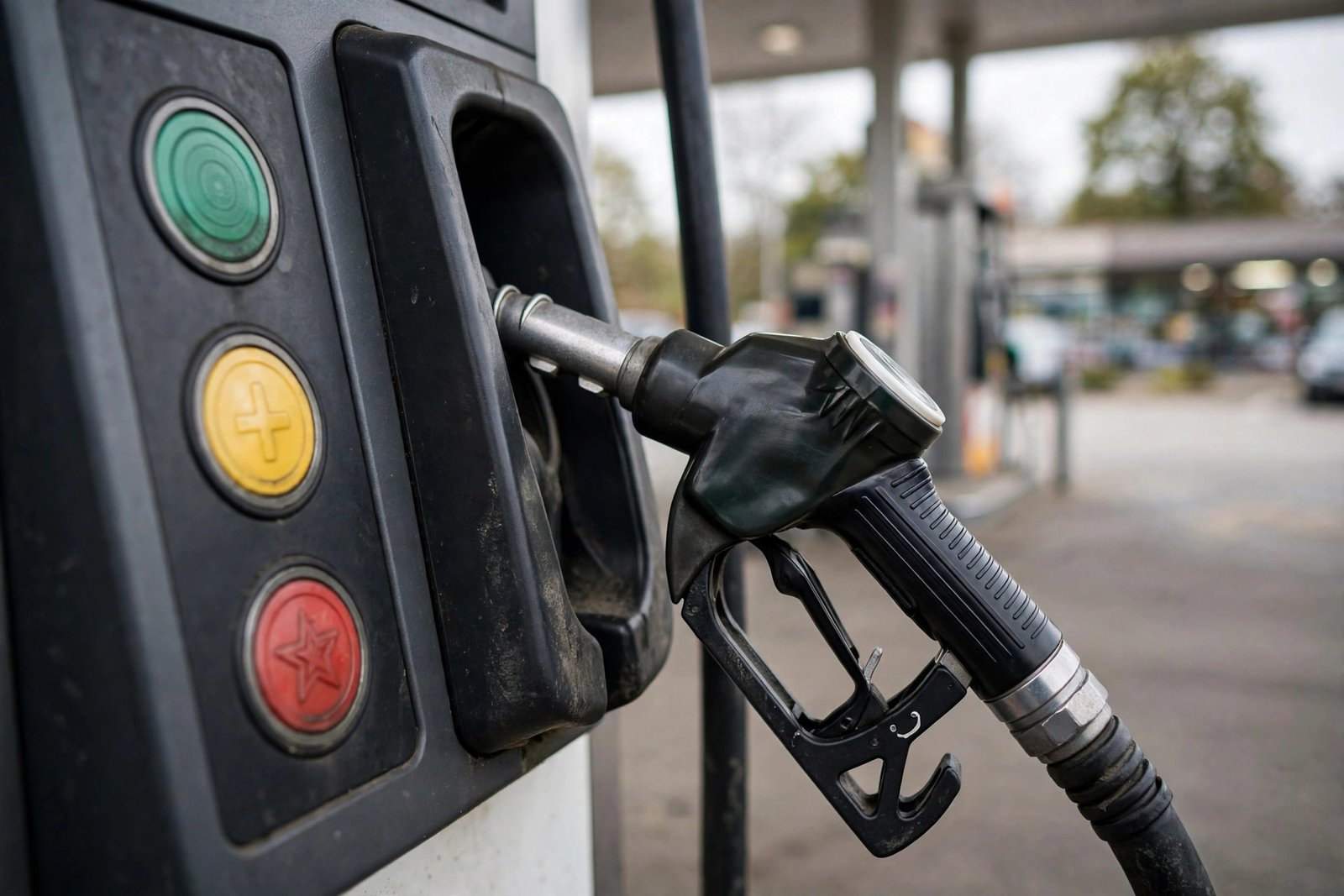
The pump offers three buttons: regular, plus, premium — and premium costs 50–70 cents more per gallon. The marketing implies better: “premium” sounds like it cleans better, performs better, protects better. Your owner’s manual says “regular unleaded recommended,” but a little voice wonders whether the expensive stuff would treat your engine better. It’s one of the most persistent questions in car ownership, and the fuel industry’s naming is deliberately designed to make you doubt the cheap button.
Here’s the straight answer: for a regular car engine designed for regular gas, premium fuel provides zero benefit — no more power, no better mileage, no cleaner engine. It’s not “better gas.” It’s different gas, engineered for different engines. Here’s the chemistry of why, the exceptions that prove the rule, and how much money the premium myth costs believers.
What Octane Actually Measures (It’s Not Quality)
Octane rating measures one thing: resistance to premature detonation (knock) — the fuel’s ability to wait for the spark plug rather than exploding early under pressure. Higher octane = more knock-resistant. That’s it. It doesn’t measure energy content (all gasoline grades contain virtually identical energy per gallon), cleanliness (detergent packages are brand-specific, not grade-specific — Top Tier certification matters far more than octane), or “power” (octane doesn’t add horsepower; it allows high-compression engines to achieve their designed power without knocking).
The word “premium” is marketing, not engineering. The technically honest names would be “high knock resistance” and “standard knock resistance” — but nobody would pay 60 cents extra for “high knock resistance.” The Department of Energy’s octane explainer confirms: use the octane your manufacturer specifies, no more.
Why Your Regular Engine Can’t Use Premium’s Advantage
Engines are designed around specific compression ratios. A regular-grade engine (typically 10:1–11:1 compression) is engineered so regular fuel’s knock resistance is sufficient — the spark timing, compression, and combustion chamber are all calibrated for 87 octane. Pouring 91-octane fuel into this engine changes nothing: the engine can’t advance timing beyond its design, can’t raise its compression, and therefore can’t extract any additional energy. The extra knock resistance goes entirely unused — like buying shoes two sizes too big for “extra comfort.”
Modern engines have knock sensors that retard timing when they detect knock — but they don’t advance timing beyond design parameters just because higher-octane fuel is present. (A few modern “adaptive” engines can extract marginal gains — 3–5 horsepower — from premium, and their manuals say “premium recommended for maximum performance.” If your manual doesn’t say this, you’re not driving one.)
The Exceptions: When Premium Is Actually Required
Premium is genuinely necessary for: high-compression and turbocharged performance engines — sports cars, many luxury vehicles, and turbo engines with aggressive tuning specify 91+ octane because their compression would destroy regular fuel through knock. Using regular in these engines causes retarded timing (lost power and efficiency) and, over time, potential engine damage. Vehicles where the manual says “required” (not “recommended”) — this is non-negotiable; it’s an engineering specification, not a suggestion. Towing or extreme heat in borderline engines — some trucks specify premium for heavy towing, where the added load raises knock risk.
Note the “recommended vs. required” distinction: “premium recommended” means the engine adapts — you’ll get slightly better performance/economy on premium but suffer no harm on regular. “Premium required” means use it or risk damage. Check your manual’s exact wording — and the fuel door, which often states the requirement.
The Cost of the Myth
AAA research found that American drivers waste over $2 billion annually on premium fuel their cars don’t need. The personal math: 60 cents/gallon × 15 gallons/week × 52 weeks = $468/year — for literally zero benefit. Over a 10-year ownership, that’s $4,680 donated to oil companies for nothing. It’s among the purest wastes in personal finance: not a trade-off, not insurance, just money converted to identical combustion.
What actually matters for fuel quality: buy Top Tier gasoline (the Top Tier program certifies enhanced detergent packages that genuinely reduce carbon deposits — available at major brands in regular grade), avoid letting the tank run near-empty habitually (the fuel pump uses gasoline for cooling), and ignore octane boosters and fuel additives sold at auto parts counters (modern fuels don’t need them; the FTC has fined additive makers for unsubstantiated claims).
A related confusion: many drivers assume Top Tier and premium are the same thing — they’re completely independent. Top Tier is a detergent standard available in all grades, including regular; premium is an octane rating with no detergent implications. The optimal fuel for most cars is Top Tier regular: maximum engine cleanliness at the minimum price. Paying for premium at a discount station gets you the worst of both worlds — higher octane you can’t use and fewer detergents than Top Tier regular would have provided.
Special Cases Worth Knowing
Older cars with carbon buildup: heavy deposits effectively raise compression, occasionally causing knock on regular in high-mileage engines — a tank of premium can diagnose this (if the knock vanishes, consider a carbon cleaning service rather than permanent premium). Ethanol blends: E15 (88 octane) is safe for 2001+ vehicles and often cheaper — the octane is slightly higher, the energy slightly lower; the math usually favors it where available. Small engines: lawnmowers and generators often specify regular — premium’s slower flame front can actually impair their simple combustion. Motorcycles: follow the manual; many specify premium due to high compression ratios in small cylinders.
Conclusion
Premium gas isn’t better gas — it’s knock-resistant gas for engines designed to need it. In a regular engine, it delivers identical power, identical mileage, and identical cleanliness at 15–20% higher cost. The $468/year you save by pressing the regular button buys something premium never will: actual value. Check your manual’s exact wording (“required” vs. “recommended” vs. silent), buy Top Tier regular from a reputable station, and let the premium button be someone else’s donation to the fuel industry. Your engine was engineered for regular — trust the engineers.
Premium gas is a classic budget leak — our guide to saving money on groceries and managing your personal budget attack the same small-leaks-add-up problem from other angles.
Frequently Asked Questions
Will premium gas clean my engine better?
No — detergent packages are brand-specific (Top Tier certification), not grade-specific. Premium from a discount station cleans worse than regular from a Top Tier brand. Buy Top Tier regular for cleanliness.
Can premium gas damage my car?
No — it’s safe but pointless in regular-grade engines. It won’t harm anything; it just wastes money. The only “damage” is to your wallet.
What happens if I put regular in a premium-required car?
Knock sensors retard timing to protect the engine — you lose power and fuel economy immediately, and sustained use under load risks engine damage over time. For “premium recommended” cars, the penalty is minor; for “premium required,” don’t do it.
Is E15 (88 octane) safe for my car?
Yes for 2001+ vehicles per EPA approval. It’s typically cheaper with slightly higher octane and slightly lower energy content. The per-mile economics usually favor it, but verify your manual doesn’t prohibit it (some older manuals predate E15).
Do I need premium for towing?
Check your manual — some trucks specify premium under heavy towing because added load increases knock risk. If your manual doesn’t mention it, regular is fine. The knock sensor protects borderline cases automatically.