
 By admin
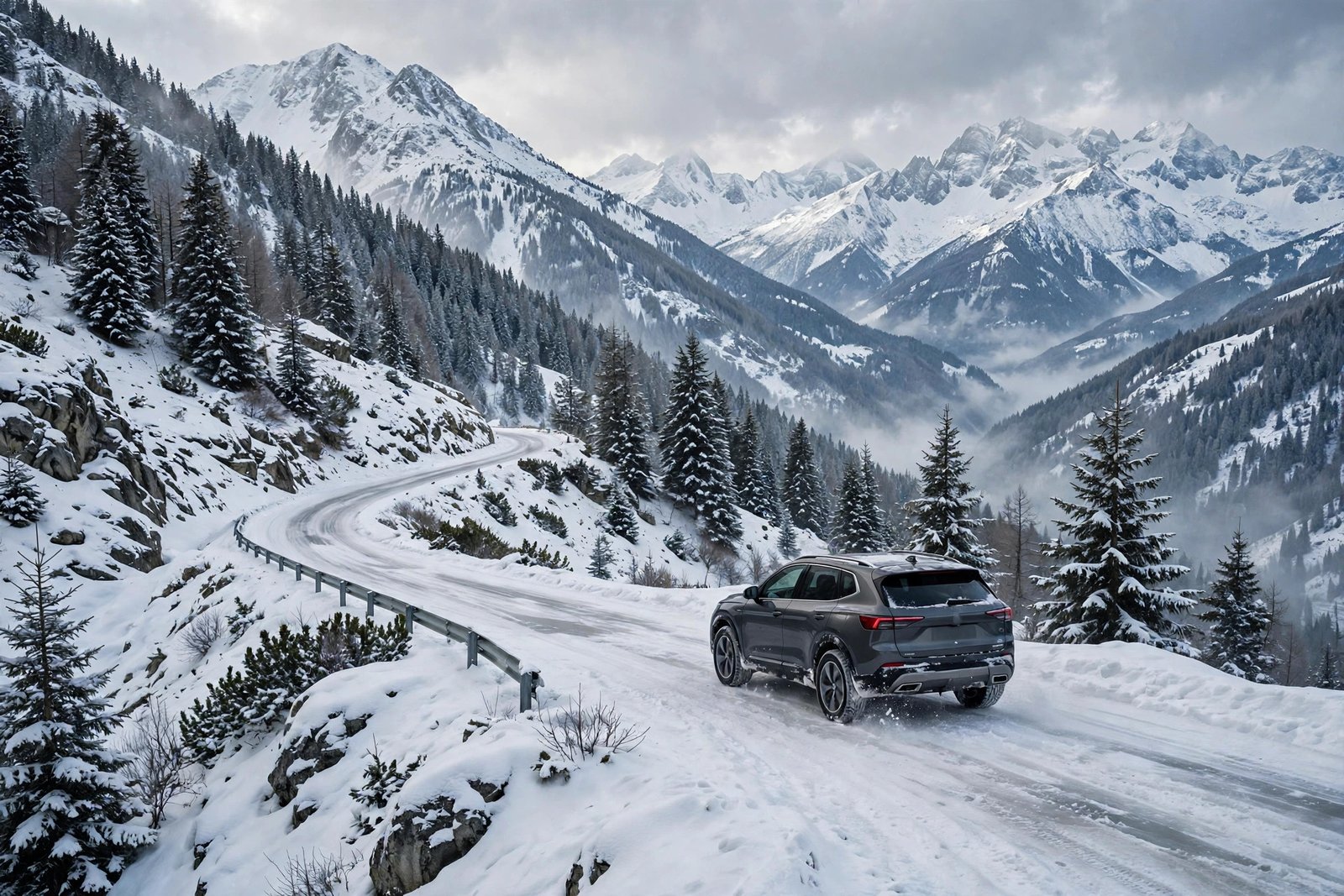
Every fall, the same debate reignites in driveways across the northern states: do you really need winter tires, or will your all-seasons get you through? Tire shops push the winter set ($800–$1,200 with wheels); your neighbor swears his all-seasons have been “fine for years”; and the internet offers confident opinions in both directions. On the West Coast, the question gets even more specific — do mild-winter cities like Seattle, Portland, and the Bay Area justify winter rubber, or is that money better spent elsewhere?
The answer is more scientific than most drivers realize. It comes down to rubber chemistry, temperature thresholds, and honest assessment of your actual winter driving — not your imagined worst case. Here’s the evidence-based breakdown.
The Science: Why Temperature Matters More Than Snow
The critical insight most drivers miss: winter tires aren’t just about snow — they’re about temperature. All-season rubber compounds harden as temperatures drop, losing grip progressively below 45°F. Winter tires use softer compounds with higher silica content that stay pliable in the cold, plus tread designs with thousands of tiny slits (sipes) that bite into ice and snow.
The performance gap is stark and measurable: on cold dry pavement, winter tires can stop 30–40% shorter than all-seasons from the same speed. On ice, the difference is even larger. Independent testing (Tire Rack, Consumer Reports, Scandinavian test organizations) consistently shows winter tires outperforming even the best all-seasons whenever temperatures stay below 45°F — regardless of whether snow is falling. An all-wheel-drive vehicle on all-seasons will still be out-braked by a front-wheel-drive car on winter tires. AWD helps you go; tires help you stop — and stopping is what prevents accidents.
The Consumer Reports tire testing program quantifies these differences across dozens of models — the winter tire advantage in cold braking is among the largest performance gaps in all of automotive testing.
The West Coast Specifics: A Region-by-Region Assessment
Seattle and Portland: the marginal case
Winters hover in the 35–50°F range with occasional ice events and rare significant snow. All-seasons are adequate for most city driving most of the winter — but the 2–3 ice storms per year are exactly when winter tires earn their keep, and they’re also when all-season drivers discover their limits on untreated hills. Verdict: dedicated winters are a luxury for flat-land city drivers who can stay home during ice events; worthwhile insurance for hill-dwellers, commuters who must drive regardless, and anyone crossing the Cascades regularly (where chain/traction-tire requirements make the question moot — carry chains regardless).
Bay Area and coastal California: generally no
Winter temperatures rarely sustain below 45°F in the flatlands. Quality all-seasons are the rational choice; winter tires would wear rapidly in the mild temperatures and offer little benefit. Exception: Tahoe/ski commuters — if you’re driving to the mountains 10+ times per winter, a winter set (or at minimum, carrying chains and knowing how to use them) is non-negotiable.
Mountain and inland West Coast: absolutely yes
Cascades, Sierras, eastern Oregon/Washington — sustained sub-freezing temperatures and real snowfall make winter tires as essential as brakes. This isn’t debatable; it’s the operating environment the tires were designed for.
All-Seasons: What They Can and Can’t Do
Modern premium all-seasons (especially those with the 3PMSF — Three-Peak Mountain Snowflake — rating) are dramatically better in light snow than the all-seasons of a decade ago. The 3PMSF symbol indicates the tire passed a standardized snow traction test — a meaningful certification, not marketing. For drivers in mild climates with occasional light snow, 3PMSF-rated all-seasons are the sweet spot: genuine snow capability without a second set of tires.
Their limits: the rubber still hardens below 45°F (the compound chemistry can’t be cheated), ice traction remains far behind true winters, and deep snow overwhelms them. Think of 3PMSF all-seasons as “winter-capable” rather than “winter tires” — the distinction matters on ice.
The Economics: Are Two Sets Worth It?
A winter set costs $800–$1,200 including basic steel wheels (buying separate wheels saves $60–$100 per seasonal swap and protects your nice wheels from salt). But the math is better than it looks: you’re not wearing two sets simultaneously — each set lasts roughly twice as many years, so the per-year cost is comparable to running one set, plus the swap costs ($80–$150/year if you don’t DIY). The real cost is upfront cash and storage space.
Value it against risk: if winter tires prevent one fender-bender ($500 deductible + rate increases + hassle), they’ve paid for themselves. For drivers in real winter climates, the safety ROI is overwhelming. For mild-climate drivers who rarely see ice, the money may work harder elsewhere. And if you’re planning mountain trips, our budget road-trip planning guide covers winter driving prep end to end — while our rent-vs-rideshare comparison helps you decide whether your car is even the right vehicle for the trip. The NHTSA’s winter driving guidance adds the official safety checklist.
Making the Switch: Practical Guidance
When to install: when temperatures consistently drop below 45°F (typically late October–November in northern regions), not when snow falls. When to remove: when temperatures consistently exceed 45°F in spring — winter rubber wears rapidly and handles poorly in warmth. What to buy: all four tires, always — mixing winter fronts with all-season rears creates dangerous handling imbalance (the rear loses grip first in corners). Sizing: narrower is better in snow (cuts through rather than floating) — consider “minus sizing” (smaller diameter, taller sidewall) per your manufacturer’s approved alternatives. Storage: cool, dark, dry, away from ozone sources (electric motors); stack unmounted, hang or stand mounted.
Studded tires deserve a mention: legal in Oregon, Washington, and many mountain states (with date restrictions), they dominate on ice but damage dry pavement, are noisy, and are banned in some jurisdictions. Studless winter tires have closed the gap enough that studs are now a niche choice for extreme ice conditions.
Conclusion
Winter tires are decisively superior below 45°F — shorter stopping distances, better ice and snow grip, measurably safer. In sustained-winter regions, they’re essential equipment, not an upgrade. On the mild West Coast (Seattle, Portland, Bay Area), quality all-seasons — preferably 3PMSF-rated — serve most drivers well, with winter tires justified for hill dwellers, must-drive commuters, and mountain travelers. The decision isn’t about toughness or tradition; it’s about matching rubber chemistry to the temperatures you actually drive in. Check your thermometer history, be honest about whether you can stay home during ice events, and choose accordingly.
Frequently Asked Questions
At what temperature should I switch to winter tires?
When daily temperatures consistently fall below 45°F — typically late October to November in northern regions. Winter tire compounds are engineered for cold; waiting for snowfall wastes weeks of superior cold-pavement grip.
Can I just put winter tires on the front wheels?
No — always install four. Mismatched grip front-to-rear creates dangerous handling imbalance, especially in corners where the lower-grip axle loses traction first. This applies to any significant tire mismatch, not just winter tires.
How long do winter tires last?
Typically 4–6 winter seasons (20,000–40,000 miles of winter driving). The soft compounds wear faster than all-seasons, especially if driven in warm weather — which is why timely spring removal matters.
Are all-weather tires different from all-season tires?
Yes — “all-weather” tires (like the Michelin CrossClimate) carry the 3PMSF snow rating and perform meaningfully better in winter than standard all-seasons, while remaining usable year-round. They’re the best single-tire solution for mild-winter climates.
Do I need chains if I have winter tires?
In mountain pass chain-control zones, sometimes yes — “chains required” designations can apply regardless of tires during severe conditions (though winter tires often qualify for less restrictive control levels). Carry chains whenever crossing mountain passes in winter, whatever tires you run.