
 By admin
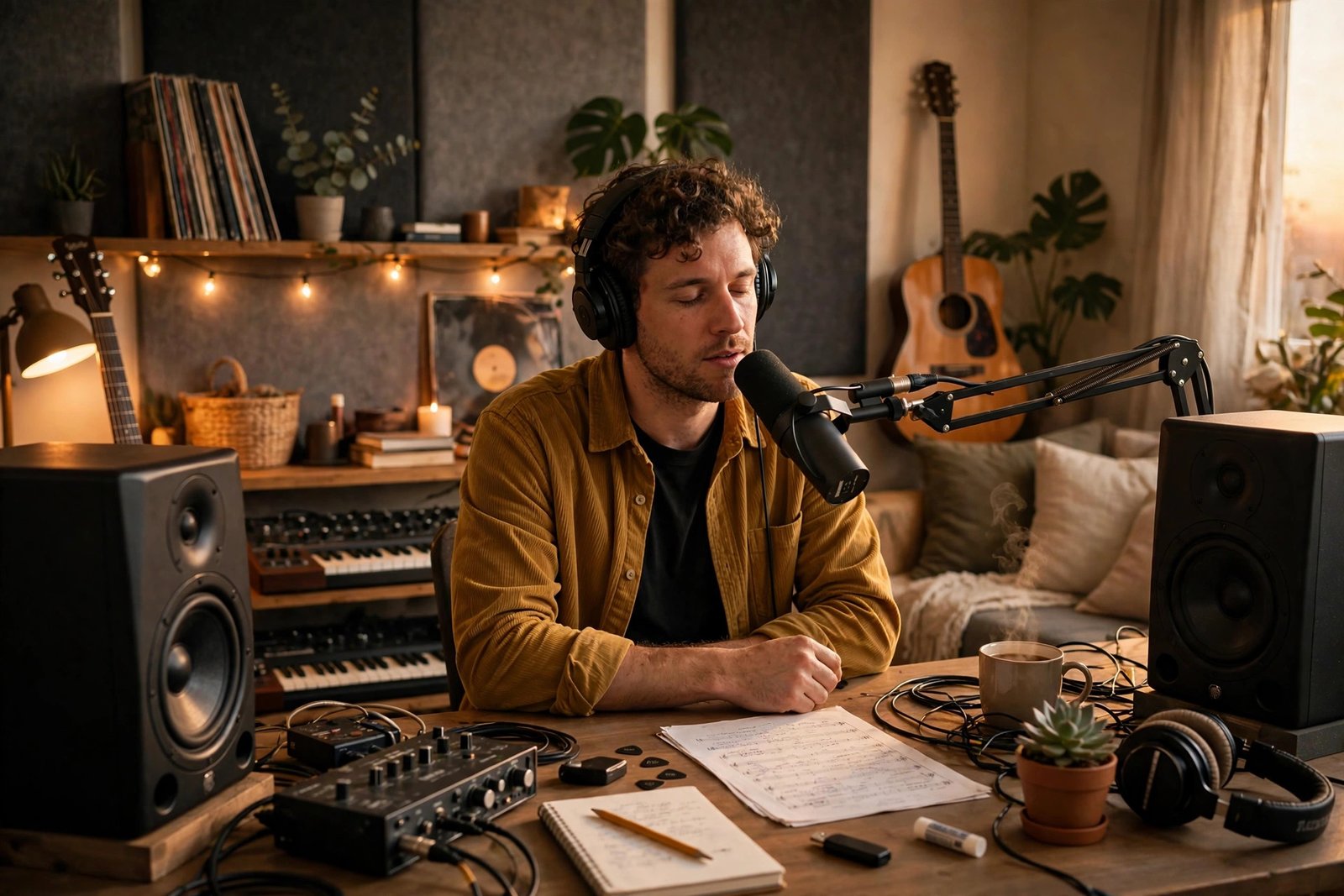
The romantic image of a musician’s life is the endless tour — but touring is grueling, expensive, and incompatible with many people’s lives. The music industry of 2026 offers more ways than ever to earn a real living from music without ever loading a van: session work from a home studio, sync licensing, teaching, content creation, and production work for the endless content economy. Musicians making five and six figures without touring aren’t exceptions anymore; they’re a growing segment of the industry.
This guide maps the realistic non-touring income streams: what each pays, what skills each requires, how to get started, and how to stack them into a sustainable career.
The New Reality: Music Income Without the Road
Touring was historically where musicians made money because recorded music paid poorly and live performance paid well. Streaming flipped the recorded-music economics (fractions of pennies per stream), but it also created a massive demand for music in content: YouTube videos, podcasts, ads, games, apps, and social media all need licensed music constantly. Meanwhile, remote collaboration tools mean a session musician in Ohio can record for a producer in Los Angeles without leaving home.
The musicians thriving without touring typically combine 3–5 income streams — no single one pays all the bills, but the portfolio does. Think of it as diversifying like an investor: teaching provides stability, licensing provides passive income, session work provides spikes, content provides growth. The Recording Academy publishes career resources reflecting how dramatically musician income models have diversified.
Income Stream 1: Sync Licensing (TV, Film, Ads, Games)
Sync — licensing your music for visual media — is the highest-leverage non-touring income. A single placement in a national ad can pay $10,000–$100,000+; TV placements pay $1,000–$15,000; indie films less but with backend royalties. Even modest catalogs generate steady income as placements accumulate — 50 songs each earning small amounts beats one song earning nothing.
Getting started: write specifically for sync (instrumental versions of everything, clean lyrics, 30/60-second edit-friendly structures), then pitch to music libraries (non-exclusive ones like Artlist accept submissions; exclusive libraries pay better per placement) and sync agents. Build relationships with music supervisors via LinkedIn and industry events — supervisors remember reliable composers who deliver on deadline. Study what gets placed: watch ads and note the music styles. This is a craft you can learn deliberately, and catalogs compound — year three of consistent output looks very different from year one.
Income Stream 2: Session Work and Production From Home
A treated bedroom corner, a decent interface, and one great microphone are enough to start a remote session business. Platforms like SoundBetter connect session musicians with clients worldwide — vocalists, guitarists, drummers, and programmers all find work. Rates range from $75–$300+ per song for competent players, more for specialists (pedal steel, string arrangements, gospel choirs).
Keys to success: fast turnaround (24–48 hours beats perfect-but-slow), excellent communication, and a portfolio of before/after samples. Start by offering services to local artists cheaply to build samples, then raise rates as reviews accumulate. Production work scales further: producing for independent artists ($500–$5,000 per song depending on market) or creating beats/tracks for sale. The home-studio economics are unbeatable — your overhead is rent you already pay. Berklee’s career resources at Berklee detail how session careers are built in the remote era.
Income Stream 3: Teaching (Private, Online, Content)
Teaching is the steadiest music income available. Private lessons at $40–$100/hour, 20 students, is a $40,000–$80,000/year baseline before any other income — and it’s recession-resistant (parents prioritize kids’ lessons). Online teaching multiplies reach: platforms like Lessonface, or your own Zoom studio, remove geography entirely. Group classes and workshops scale hourly income further.
The content ladder extends this: YouTube tutorials monetize through ads and drive private students; a course on a platform like Teachable or even Gumroad can generate passive income for years. The musicians earning most from teaching aren’t necessarily the best players — they’re the best explainers. If you can demystify what confused you as a student, you have a teaching business. Start with five students and a simple booking system; let word of mouth compound.
Income Streams 4–6: Content, Streaming Royalties, and Services
Content creation: musician-influencers earn through sponsorships, affiliate links, Patreon/memberships, and ad revenue. You don’t need millions of followers — 10,000 engaged followers in a niche (fingerstyle guitar, music production tips) attract sponsors. Streaming royalties: won’t pay rent alone for most, but catalog releases on Spotify/Apple Music generate compounding passive income, especially with playlist placements — treat releases as assets, not events.
Adjacent services: mixing/mastering for other artists, transcribing, arranging, jingle writing, podcast theme music, wedding/event performance (local, no touring), church music direction, and corporate event gigs. The unifying principle: sell your musical skills to everyone who needs them, not just fans. The local economy for live music still exists — finding free live music in your city shows how vibrant local scenes are, and those same venues and event planners hire musicians for paid gigs. And when you do attend shows, getting cheaper concert tickets keeps your research affordable.
Conclusion
Making a living as a musician without touring means thinking like a portfolio manager: sync licensing for leverage, session work for cash flow, teaching for stability, content for growth, and services for everything in between. No single stream needs to be huge — five modest streams compose a career. Start with the stream closest to your current skills, add one per year, and in three to five years you’ll have a music career that never requires a van, a highway, or a night away from home. The road was never the music — it was just one delivery system. In 2026, there are half a dozen others, and they’re all hiring.
This month’s move: pick the income stream closest to skills you already have — teaching if you can explain, session work if you can play, sync if you can produce — and take one concrete step toward it this week. Momentum compounds; waiting doesn’t.
Frequently Asked Questions
How much can a musician realistically earn without touring?
It varies enormously, but $40,000–$100,000+ is realistic for multi-stream musicians after 3–5 years of building. Teaching alone can provide $40,000–$80,000; sync licensing adds highly variable upside; session work and content fill the gaps. The first year is lean — this is a build, not a lottery ticket.
Do I need a music degree for these income streams?
No — clients and students buy results, not credentials. A portfolio of great work beats a diploma in session work, sync, teaching, and content. Degrees help for institutional teaching positions (schools, universities) and provide valuable training, but they’re not required for the entrepreneurial paths described here.
What’s the fastest non-touring income stream to start?
Private teaching — you can take your first paying student this week with skills you already have. Session work on platforms like SoundBetter is second, once you have samples. Sync licensing and content income take longest to materialize but compound best over time.
How important is social media for a non-touring musician?
Increasingly essential — it’s your distribution, portfolio, and client pipeline in one. You don’t need viral fame; you need consistent, niche content that demonstrates your skills to the specific people who hire (music supervisors, students, artists needing session players). Think of it as a public resume that works while you sleep.